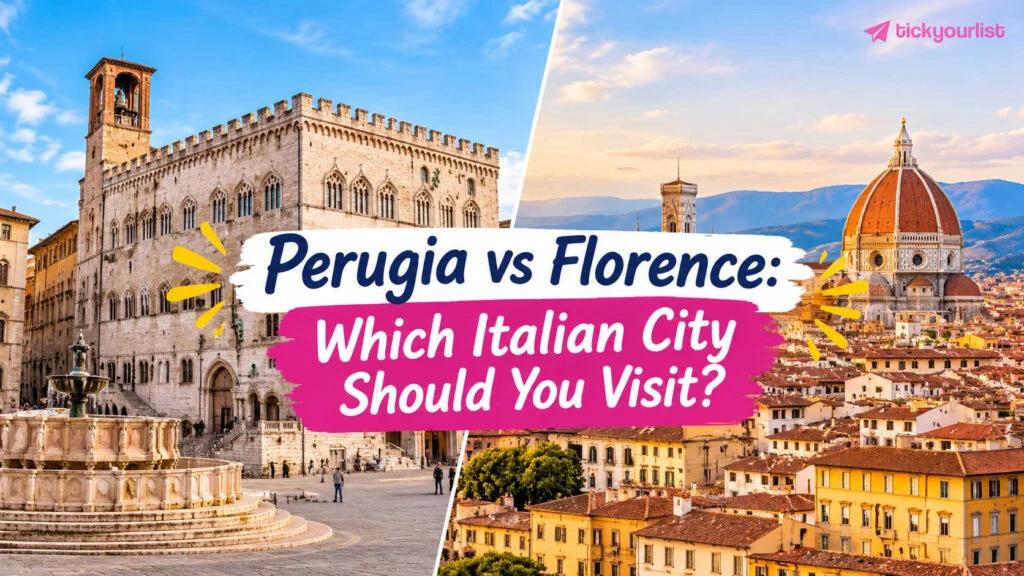
This is the question we get most often from people weighing up central Italy — whether you are planning a Perugia trip, comparing what to do in each, working out the cost difference, or just trying to pick between the best things to do in Florence and something quieter.
It comes down to a choice between busy, world-famous art and a peaceful hilltop with effortless charm. Florence is the better-known option and usually the safer bet for a first trip to Italy. But Perugia wins people over, often when they only meant to stay a night.
Below: what each city feels like, what to do, what it costs and who should pick which. By the end you’ll know which suits your trip, or whether you should fit both in.
The Short Answer

Choose Florence if it’s your first time in Italy, or you have a short trip and want the major Renaissance highlights in one walkable city.
Choose Perugia if you’d rather wander medieval streets, eat well without queueing, and use the city as a base for Umbria’s hill towns.
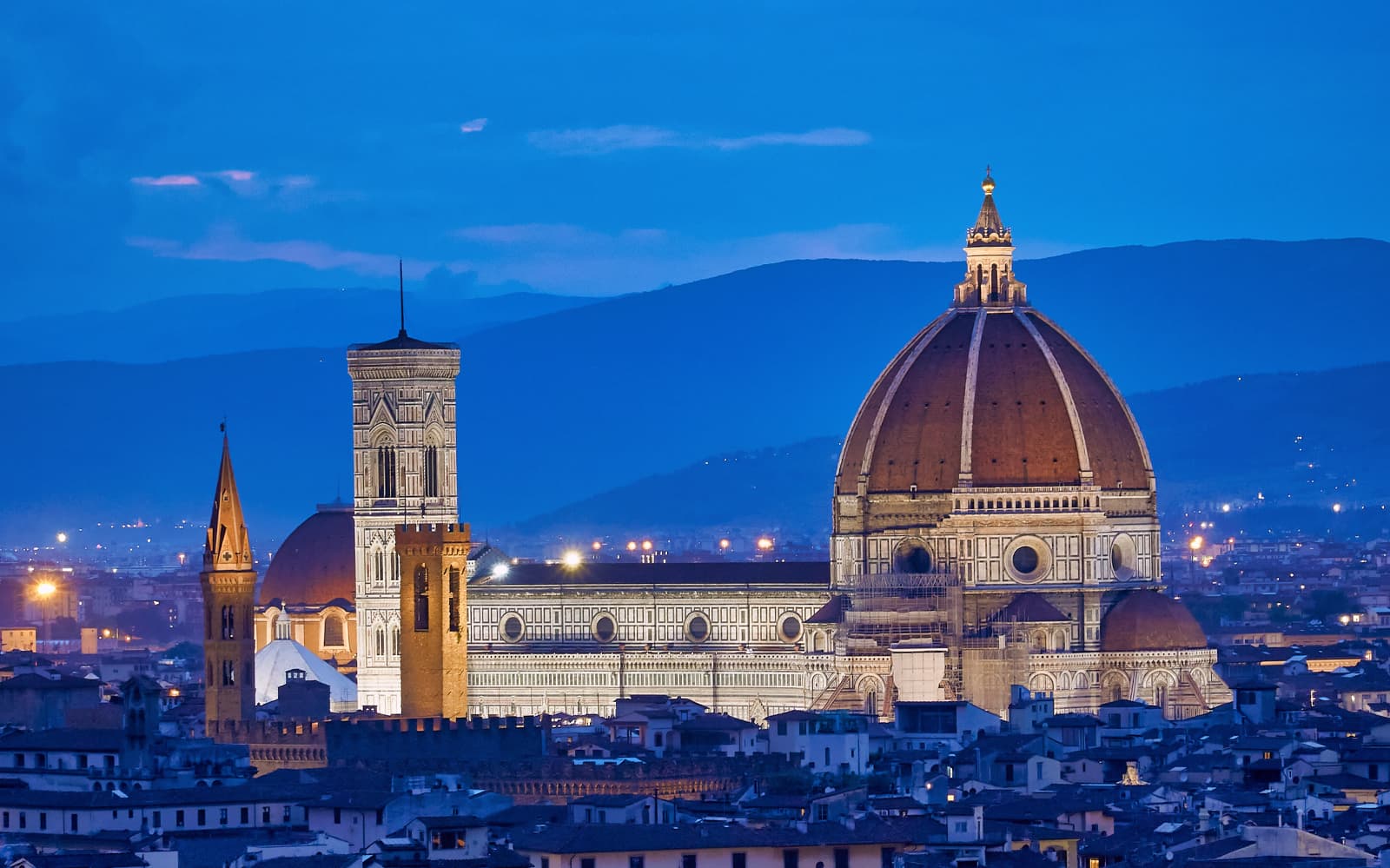
The two are genuinely different. Florence is compact, with Michelangelo’s David, the Duomo and the Uffizi all within a few kilometres. Perugia is smaller again, hillier and far quieter — the kind of place where you start feeling like a local by day two.
Neither answer is wrong. It depends what kind of traveller you are.
Two Very Different Moods

Perugia is the capital of Umbria, population around 165,000, built on a hill with panoramic views over a green valley. The old town has archways, steep streets and terraces.
Two universities keep it young. Students spill out of the bars along Corso Vannucci long after the day visitors have gone. It’s also the home of Perugina chocolate and the Eurochocolate festival.
Florence is what you see. Perugia is how you feel.
What to Expect in Perugia

Start along Corso Vannucci and walk up to Piazza IV Novembre, where the Fontana Maggiore sits between the Palazzo dei Priori and the cathedral. Inside the palace, the Galleria Nazionale dell’Umbria holds work by Mantegna, Pinturicchio and Beato Angelico.
Then get deliberately lost. The Etruscan Well and Etruscan Arch are quiet reminders of how old this place actually is.
Eat locally. Torta al testo — a warm flatbread stuffed with vegetables or sausage — and anything involving black truffle. Finish with a square of Perugina.
The city comes alive in July for Umbria Jazz, Italy’s largest jazz festival, running since 1973. In autumn, Eurochocolate turns the streets into a chocolate lover’s paradise. Both are superb and both mean crowds, so book accommodation well ahead.
It’s hilly, so bring comfortable shoes. And if you’ve a few spare days, Assisi, Spello and Gubbio are all easily reachable, which makes Perugia a strong base for Umbria.
Attractions Side by Side

Florence has more major sights than almost anywhere of comparable size. Perugia offers the chance to actually enjoy the ones it has.
| What you’re comparing | Florence | Perugia |
| Signature sights | Uffizi Gallery, Accademia (David), Duomo, Ponte Vecchio | Fontana Maggiore, Rocca Paolina, Etruscan Well, Palazzo dei Priori |
| Art | Botticelli, Leonardo, Michelangelo | Galleria Nazionale dell’Umbria: Mantegna, Pinturicchio, Beato Angelico |
| Setting | Flat, riverside, very compact | Hilltop, steep medieval lanes |
| Ideal stay | 3 to 4 days | 1 to 2 days |
| Crowds | Heavy in high season | Calmer, except festival weeks |
| Day trips | Pisa, Siena, the Chianti hills | Assisi, Spello, Gubbio |
| Big events | Calcio Storico (June) | Umbria Jazz (July), Eurochocolate (autumn) |
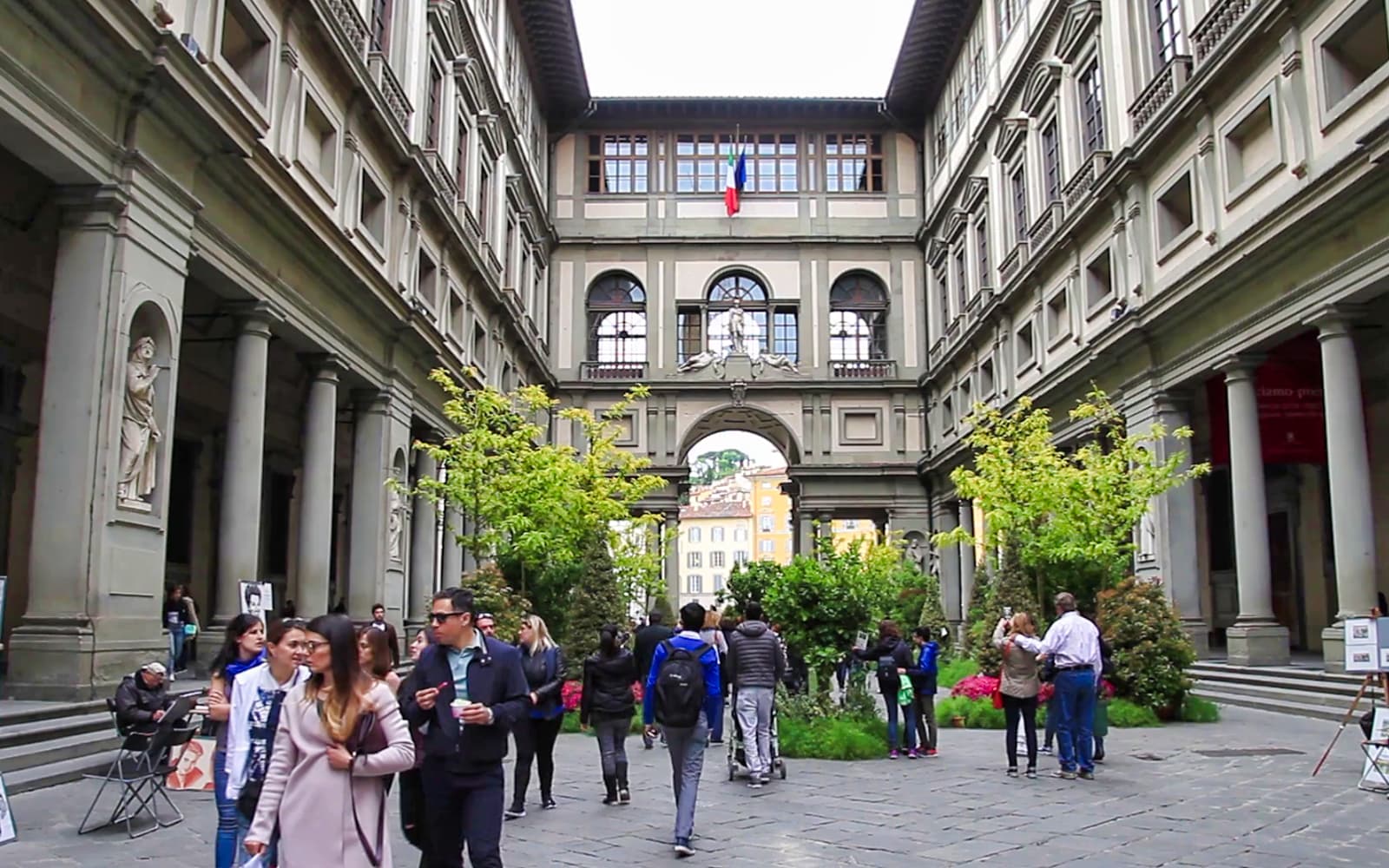
A note on Uffizi tickets. Standard adult admission is €25 bought on the day at the ticket office, or €29 online in advance — the €4 difference is the official booking fee. The gallery opens Tuesday to Sunday, 08:15 to 18:30, closed Mondays, 1 January and 25 December.
The best-value option is one most guides skip. Since 1 January 2026 there’s an afternoon ticket at €16 on the door (€20 online) for entry from 4pm. You get a couple of hours in a noticeably quieter gallery for well under half the advance price. If you’re flexible on timing, that’s the one to take.
The Accademia works the same way. It isn’t a huge museum and really has one headline attraction, but David is worth it. Book ahead either way.
Who Should Pick What

New to Italy? Florence. All the big attractions, everything close together, and plenty of choice on tours and tickets.
History and art lovers? Florence. Few cities compete with the Uffizi and Accademia. Perugia makes a lovely second stop for Umbrian art.
Want a relaxed break? Perugia. You’ll get more from a sunset over the valley than from shuffling along a crowded bridge.
Families? Florence is the easier option, with cooking classes and a simple day trip to Pisa. Perugia suits older children happy to walk hills — especially if they like chocolate.
Foodies? Close to even. Both have cooking classes. Florence has the famous bistecca; Perugia has truffle and chocolate with fewer tourists.
Short break of two or three days? Florence. A week or more? Both, with Perugia as your Umbrian base.
Still undecided? Ask yourself whether you want to tick off the major sights or soak up a place. Your instinct usually knows.
Travel Cost: Where Your Euros Go

Florence is generally more expensive. As one of Italy’s most visited cities, hotels, restaurants near the Duomo and most tours carry a tourist premium. Perugia is usually cheaper, though festival weeks push prices up.
| Expense | Florence | Perugia |
| Mid-range hotel | Roughly €100 to €160 a night | Usually lower outside festival weeks; check live rates |
| Top sightseeing | Uffizi €25 on the day, €29 in advance, €16 after 4pm | Fewer big-ticket sights; the old town is free to wander |
| City tax | Around €6 per person per night for short-term rentals, up to 7 nights | Set locally; confirm when you book |
| Eating out | Pricier near the landmarks, cheaper on side streets | Generally easier on the wallet away from Corso Vannucci |
| Between the two | Regional train roughly €10 to €40 one way | Same trip |
Prices vary by season, so always check current rates.
Three ways to spend less. Visit Florence outside July and August, when hotels peak. Eat your main meal away from the main sightseeing areas, where menus are shorter and prices more reasonable. And book museum tickets online, since last-minute tours cost more.
Perugia also stretches a budget. If you’re spending a week in central Italy, a couple of nights there offsets what Florence costs you.
The Best Time to Go

Spring and early autumn are best for both — pleasant walking weather, beautiful light, fewer people. July and August are very hot in both cities and genuinely crowded in Florence.
Plan around Perugia’s festivals, or deliberately avoid them. Umbria Jazz fills the city with concerts in July; Eurochocolate brings chocolate stalls through the streets in autumn. Both are wonderful. Neither is peaceful.
Winter is underrated. Florence is far calmer, with shorter queues and relaxed museum visits. Perugia gets cold and misty, but there’s truffle pasta to compensate. Check opening times, as some smaller attractions reduce their hours.
Whenever you go, book the major Florence attractions. They sell out first.
Where Do These Two Land?

Ask travel writers for Italy’s best cities and most will name Florence, usually top three alongside Rome and Venice. There’s a reason — it’s rare to find that much art in that little space.
Perugia rarely makes a top five, which is part of its appeal. You have to go looking for it.
But those lists aren’t a great guide. They favour famous names, which isn’t the same as the best place for you. A lesser-known city that fits how you travel will usually beat a popular one where you spend half your time queueing.
The best answer for most people is both. Three days in Florence, a two-hour train, then two days in Umbria. You lose very little time and get two genuinely different parts of central Italy.
If you must choose one, we’d say Florence for most first-timers. Second or third visit? Perugia is a treat.
A Five-Day Plan If You Can’t Choose

Days 1–2: Florence. Get to the Accademia early for David, then spend the afternoon around Ponte Vecchio. Cooking class in the evening.
Day 3: Florence. Uffizi in the morning with a guide, then relax. Gelato counts as sightseeing.
Day 4: Perugia. Early train. Drop your bags and walk Corso Vannucci up to Piazza IV Novembre.
Day 5: Perugia. Galleria Nazionale dell’Umbria and the Etruscan Well. Torta al testo for lunch, then chocolate.
Adding Pisa? Allow a full day — a guided day tour takes most of one. Put the Florence days at the start of your trip, since the big museums need booking ahead and fixed times are easier to plan around.
Make the Most of Florence

Accademia Gallery tickets. You’re here for David. Timed entry means a reserved slot rather than an open queue — check the arrival instructions on the listing.
Uffizi Gallery guided tour with skip-the-line entry. It’s an enormous gallery, so a guide helps you see what matters rather than drifting. Confirm language, duration and meeting point before booking.
Pisa guided day tour. A good change of pace once you’ve done Florence’s main sights, with the Leaning Tower as the draw. Check whether tower admission itself is included, since that varies between operators.
Small group cooking class with dinner. The best way to end a museum-heavy day. Confirm the menu and mention any allergies when you book.
Our tip: one major cultural activity and one easy-going one per day. A morning at the Accademia and an evening cooking class makes close to a perfect Florence day.
FAQs
Is Perugia worth visiting compared to Florence?
Yes, if you enjoy relaxed medieval towns. Perugia offers hilltop views, Umbrian art and superb food. But for a first trip, Florence’s world-famous museums are hard to beat. Many people do both.
Is Florence or Perugia better for a first trip to Italy?
Florence, usually. It packs the Uffizi, the Accademia and the Duomo into a compact walkable centre, with plenty of tours and tickets. Perugia works well as a second stop.
How far is Perugia from Florence?
Around two hours by regional train, with the fastest services closer to an hour and a half. Fares typically run €10 to €40 one way, depending on service and how far ahead you book.
Can you visit Perugia as a day trip from Florence?
Yes, but it’s a long day. With roughly two hours each way, you’d get a few hours in the centre. One or two nights lets you enjoy it properly.
How many days do you need in Florence and Perugia?
Three to four days for Florence if you want the main museums and a day trip. Perugia works in one or two, or longer as a base for Umbria.
Is Florence more expensive than Perugia?
Generally yes. Hotels, meals and tours cost more in Florence given its popularity. Perugia is usually cheaper, though prices rise during Umbria Jazz in July and Eurochocolate in autumn.
How much are Uffizi tickets?
€25 at the ticket office on the day, or €29 booked online in advance — the €4 difference is the booking fee. Since January 2026 there’s also a €16 afternoon ticket for entry from 4pm, which is the best value available.
When is the best time to visit Florence and Perugia?
Spring and early autumn bring better weather and fewer crowds than midsummer. Both cities get very hot in July and August. Plan around Perugia’s festivals if you want them, or avoid those weeks if you don’t.
Do you need to book the Uffizi and Accademia in advance?
Strongly recommended. Both are among Florence’s most popular museums and slots fill quickly in peak season. Booking ahead, or taking a guided tour, saves waiting outside in the sun.
Is Perugia worth it for food lovers?
Yes. Black truffles, torta al testo and Perugina chocolate, with far less tourist pricing than Florence. That said, Florence has excellent cooking classes and the famous bistecca.
Can you visit Pisa from Florence?
Yes, it’s an easy day trip. A guided tour handles the logistics and works well once you’ve seen Florence’s main sights, with the Leaning Tower as the highlight.