Most people plan a budget trip backwards. They pick the place first, fall a bit in love with it, and then try to squeeze the money around a decision they have already made. That is how you end up on a flight that cost twice what it needed to, in a hotel you booked in a panic, paying gate prices for every ticket because nobody looked at anything in advance.
Flip it. Start with the number you can actually spend, then let that number choose the dates, and let the dates choose the destination. It sounds joyless written down. In practice it is the opposite — it is the thing that buys you an extra three days, or the nice dinner, or the day trip you would otherwise have skipped.
This guide walks through the whole thing for 2027. When to book cheap flights and the booking windows that actually hold up in the data, which myths to ignore, how to save money on attraction tickets with city cards and combo tickets, what to do about transport, and the hidden costs that quietly wreck a budget trip in the last week. There is a week-by-week planning timeline near the end, and a checklist you can work straight through.
Start Your Budget Trip With The Number, Not The Destination

Write down what you can spend. The whole thing, door to door, including the taxi home at the end. Then knock ten percent off and treat what is left as the real budget. That ten percent is not pessimism. It is the money that covers the thing you forgot.
Now split it. The rough shape below is not a law of physics, and it shifts depending on whether you are flying six hours or sixteen. But it gives you something to argue with, which is more useful than a blank page.
| Where it goes | Rough share | Notes |
|---|---|---|
| Flights | 30 to 40% | Higher for long-haul, lower for a short city break |
| Accommodation | 25 to 30% | The easiest line to cut without hurting the trip |
| Food and drink | 15 to 20% | Where budgets quietly leak |
| Attractions and tickets | 10 to 15% | Cheapest to control, if you book ahead |
| Local transport | 5 to 10% | Passes beat single fares almost everywhere |
| Buffer | 10% | Not optional |
Why this order matters for a budget trip
Flights and accommodation are the two biggest numbers and the two you lock in earliest. Get those wrong and no amount of eating cheaply later will rescue the trip. Get them right and everything downstream gets easier — you stop counting coffees, which is the actual point of planning a budget trip properly.
One more thing before you book anything. Decide whether this is a trip where you want to see a lot, or a trip where you want to do very little. Those two cost completely different amounts, and people routinely budget for one and then plan the other.
Budget Trip Flights: When To Book, According To The Data

This is the part where most advice gets vague, so let us use numbers somebody actually measured. Google Flights published an analysis of five years of fare data — round trips from the top 4,000 US markets, flown between August 2017 and August 2022. It remains the clearest public breakdown of when fares bottom out.
Two honest caveats up front. It is US-origin data, so treat it as a shape rather than a rule if you are flying from Delhi or Dubai. And it predates the fuel-price churn of the last couple of years. The pattern has held up better than the exact day counts have.
| Trip type | Cheapest window | Lowest point |
|---|---|---|
| US domestic, general | 21 to 60 days before | 44 days |
| Domestic summer (July or August) | 14 to 44 days | 21 days |
| Domestic spring break (March or April) | 23 to 59 days | 38 days |
| Domestic Thanksgiving | 36 to 74 days | 52 days |
| Domestic Christmas | 20 to 88 days | 22 days |
| US to Europe | 50 to 179 days | 129 days |
| US to Mexico or the Caribbean | 37 to 87 days | 59 days |
The short version for a budget trip
For a short-haul or domestic hop, you are looking at roughly six weeks out. For long-haul, think four months, not four weeks. The single most common mistake on a budget trip is booking international flights at domestic timing — turning up three weeks before departure to a long-haul fare that settled months ago.
The Points Guy, updating its guidance in late 2026, lands in much the same place: one to two months for domestic, three to five months for international, and earlier than usual for peak holiday dates. Two independent sources agreeing is about as good as flight advice gets.
The Booking Myths That Quietly Cost You Money

Some of the advice floating around is just wrong, and a couple of the wrong bits are expensive.
Myth: book on a Tuesday
You have heard this one. Set an alarm, book at midnight on Tuesday, save a fortune. Google ran the numbers across five years and found that booking on a Tuesday, Wednesday or Thursday instead of a Saturday or Sunday came out 1.9% cheaper on average. Call it two percent. On a ₹40,000 fare that is eight hundred rupees, and it is swamped by every other variable in this article. Book when you find a price you are happy with. The Google Flights analysis is worth a read if you want the full methodology.
Myth: incognito mode gets you cheaper fares
There is no credible evidence that clearing cookies moves airline pricing. Fares move because seats sell and algorithms reprice, not because a site recognised you. Searching in a private window costs you nothing, so do it if it makes you feel better. Just do not build a plan around it.
Truth: the nonstop premium is real and large
Nonstop fares ran 20% higher than fares with a stop in the same Google data. That is the single biggest lever most people refuse to pull. A one-stop itinerary on a long-haul route can fund two or three nights of accommodation. Whether that trade is worth it depends on how much you hate airports — but at least price it before you dismiss it.
Truth: waiting rarely helps
Fares drift up as departure approaches far more often than they fall. Last-minute bargains exist, but they are the exception you hear about precisely because they are unusual.
Pick Cheaper Dates Before You Hunt For A Cheaper Fare

Moving your dates saves more than any amount of searching. This is the lever people reach for last, and it should be first.
Fly midweek
Departing on a Monday, Tuesday or Wednesday came out 12% cheaper than a weekend departure across Google’s five-year sample. Strip out the international routes and that gap widens to 20%. Sunday is consistently the worst day to leave. A more recent analysis from The Points Guy, citing Hopper, puts the midweek saving at around 13% and roughly $56 a ticket on domestic routes — bigger again over holidays.
Shifting a Saturday departure to the Wednesday before often costs you nothing except two days of leave. Sometimes it gains you a day, because you arrive rested instead of at midnight.
Time your budget trip to the shoulder season
The weeks either side of peak are the best value in travel, and it is not close. You get thinner crowds, softer hotel rates, cheaper fares, and attractions you can actually walk into. The weather is usually a few degrees off perfect, which is the entire price you pay.
For Europe that means late April to early June, or September into October. In Dubai and the Gulf, you want the edges of the cool season — November and March — rather than the January peak. Southeast Asia has a shoulder either side of the monsoon. Browse things to do in Dubai or things to do in Paris with those windows in mind and the same trip costs noticeably less.
Be flexible about the airport
Secondary airports are often meaningfully cheaper. Just price the transfer into town before you celebrate — a cheap fare into an airport ninety minutes out is not always a saving.
Where To Sleep On A Budget Trip

Accommodation is the most elastic line in the whole budget. You can halve it without halving the trip, which is not true of flights.
Location beats price per night
This is the one that catches people. A room twenty euros cheaper, forty minutes out, with two metro changes, is not cheaper. You will pay the difference back in transport and lose an hour a day doing it. Price the room and the commute together, every time, and the “expensive” central option often wins.
What actually cuts the budget trip bill
- Book refundable, then re-check — reserve a free-cancellation rate early, then look again a month out and rebook if it has dropped
- Stay Sunday to Thursday in business cities, and over the weekend in leisure ones — rates flip depending on who the city serves
- Skip the hotel breakfast unless it is genuinely included; a bakery downstairs is a third of the price
- Aparthotels and guesthouses for anything over four nights, mostly for the kettle and the fridge
- Check the total, not the nightly rate — cleaning fees and service charges can add a quarter to a short stay
The nights nobody budgets for
Two of them, usually. The night you land at 2am and need somewhere immediately, and the night before an early flight home when staying near the airport beats a 4am taxi. Build both into the plan rather than paying premium rates for them in a hurry.
City Cards And Combo Tickets: The Biggest Budget Trip Saving

If you only change one thing about how you plan a budget trip, change this. Buying attractions one at a time, on the day, at the gate, is the most expensive way to see a city. Bundling is the cheapest. The gap is routinely twenty to forty percent, and it takes about ten minutes to sort out.
City cards on a budget trip
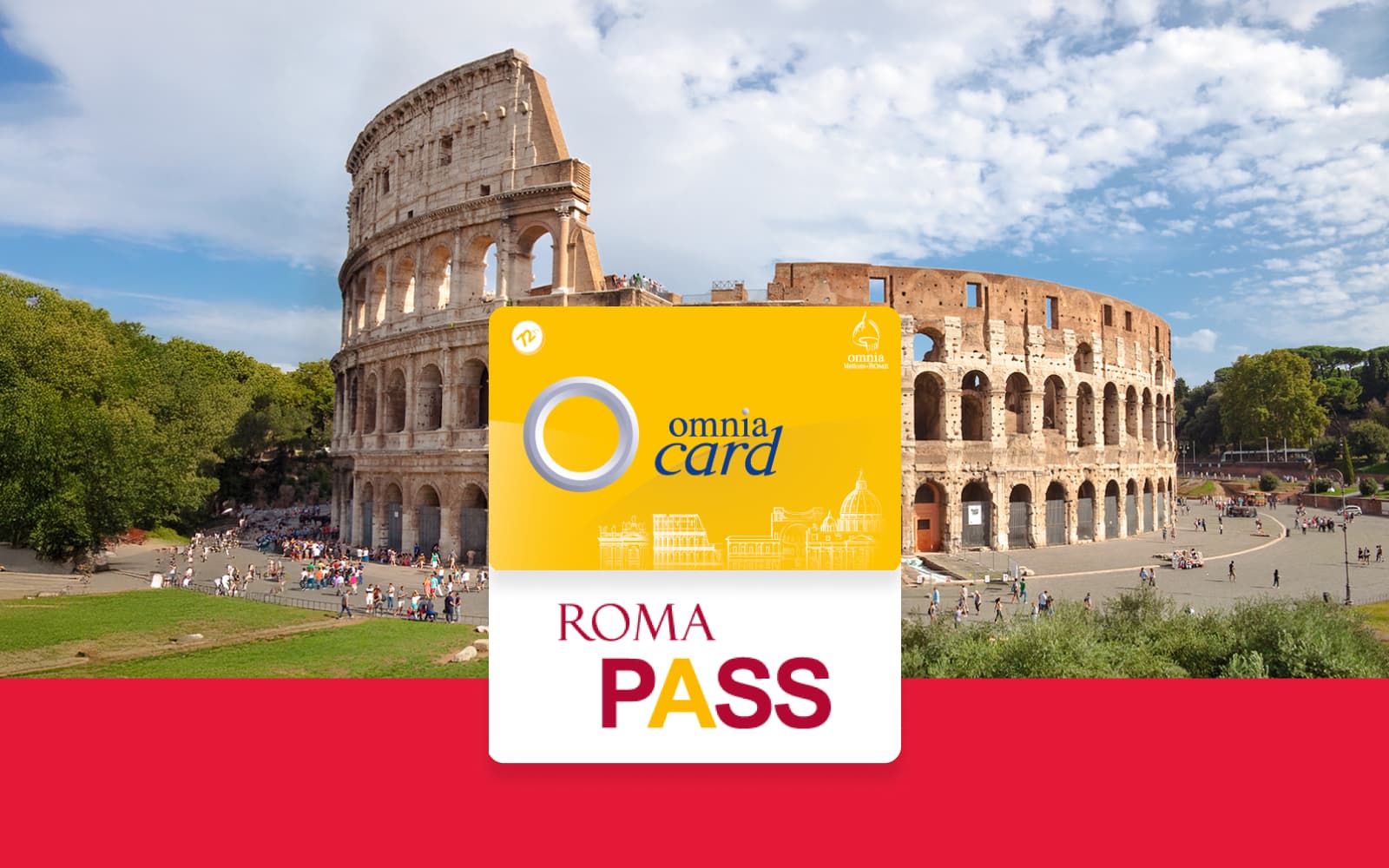
A city card bundles entry to a set of attractions, often with public transport thrown in, for a flat price across a fixed number of days. City cards currently cover 47 cities on TickYourList, and in a dense sightseeing city they are very hard to beat.
The honest caveat: they only pay off if you actually use them. Add up the gate prices of what you genuinely intend to see, then compare. If you are doing two museums in four days, buy two tickets. If you are doing six things in three days, the card wins and it is not close.
Combo tickets
Combo tickets are the lower-commitment version — two or three attractions bundled at a discount, with no need to sprint around a city justifying a pass. There are combo tickets across 105 cities, and for most people on a short break they are the better buy. You get the discount without the pressure.
Which one suits your budget trip
| Your trip | Better option | Why |
|---|---|---|
| Four or more attractions, three to five days | City card | Transport is usually bundled in too |
| Two or three headline sights | Combo ticket | Discount without the deadline |
| One big attraction only | Single skip-the-line ticket | Bundles will not pay back |
| Long stay, slow pace | Singles, booked ahead | You will not hit the card threshold |
Book Attraction Tickets Before You Fly, Not At The Gate

Gate prices are the full price. They are what the operator charges someone who did no planning, and you are reading an article about planning, so do not be that person.
Booking ahead does three things at once. It costs less. It locks a time slot, so a sold-out afternoon does not eat your only day. And it removes the queue, which on a short trip is worth more than the money — two hours saved at a major landmark is an entire extra thing you get to do.
What to lock in early on a budget trip
- Timed-entry attractions — anything with slots sells out first in peak season
- Skip-the-line tickets for the two or three headline sights, even if you wing the rest
- Day trips out of the city, which run on fixed departures and fill up
- Anything with a show time — cabarets, concerts, evening cruises
- Airport transfers for a late arrival, booked before you leave
What to leave loose
Parks, walking around, neighbourhoods, markets, most restaurants. Those cost nothing to leave open and a rigid itinerary is how a holiday starts feeling like work. The trick is to pre-book the things that get more expensive or sell out, and leave everything else to the day.
If you are still choosing a city, the museums and day trips collections are a reasonable way to see what a place actually has before you commit — 577 museums across 91 cities and 695 day trips across 124. Or start from a destination: Singapore, London, Rome and Bangkok all reward booking ahead more than most.
Getting Around On A Budget Trip Without Bleeding Money

Local transport looks like a small line until you add up two weeks of single fares and taxis. Then it is not small at all.
Buy the pass, almost always
Nearly every city with a metro sells a multi-day travel pass, and in nearly every case it beats paying per ride by the second day. Public transport passes are listed for 16 cities, and plenty of city cards fold transport in anyway, which is a large part of why they are good value.
Sort the airport run before you land
This is where budgets get mugged. You land tired, it is late, the train has stopped, and you take whatever is outside. A pre-booked airport transfer is usually cheaper than that taxi and always cheaper than the one you negotiate at midnight in a language you do not speak. There are airport transfers across 48 cities.
If you are arriving in daylight and travelling light, the train or bus is almost always the cheapest option and often the fastest. Check it before you book a car — in some cities the express train beats a taxi on both counts.
Trains between cities
For multi-city trips, a rail pass can undercut point-to-point fares, particularly if you are moving every two or three days. Train passes cover 12 cities. The usual rule applies: price your actual route first, because on a two-stop trip individual advance tickets often win.
The free option
Walking. Obviously. But also — a walking tour on day one is the single best orientation money you can spend, because it stops you wasting the next three days working out where anything is. There are 221 of them across 61 cities, and the hop-on hop-off buses do a similar job when the city is too spread out to walk.
Eating Well On A Budget Trip

Food is where budgets die quietly. Not in one bad dinner — in fourteen small decisions made while hungry and standing outside somewhere with photographs on the menu.
Three rules that do most of the work
- Eat the big meal at lunch — the same kitchen, often the same dishes, at set-menu prices. Many European restaurants run a fixed lunch menu that costs a fraction of the à la carte dinner
- Walk two streets back from any major sight before you eat. Rent drops, quality rises, and the people eating there live in the city
- Breakfast where you are staying, not where you are sightseeing. A pastry and coffee bought near the hotel costs what a bottle of water costs at the landmark
Where it is worth spending
Once. Pick one meal on the trip that you actually care about, book it, and enjoy it without doing arithmetic. Trips where every single meal is a budget decision are miserable, and the misery usually makes people overspend later out of sheer frustration.
A food tour early in the trip is a decent hybrid — you eat properly, and you come out knowing which streets and which dishes are worth your money for the rest of the week. It is one of the few paid experiences that pays itself back in savings.
The water thing
Where the tap water is safe, carry a bottle and refill it. Two people buying bottled water twice a day for ten days is a real number, and it is a completely wasted one.
The Hidden Costs That Blow Up Budget Trips

Here is the list of things that are not in the headline price and routinely add ten to twenty percent to a trip. None of them are a secret. People just forget them until the money has already gone.
| Cost | When it bites | What to do |
|---|---|---|
| Checked bags and seat selection | At the airline checkout | Price the fare with bags included before comparing |
| Tourist or city tax | On hotel checkout, usually in cash | Check the city’s official rate before you travel |
| Card foreign-exchange fees | Every single purchase | Use a card that does not charge them |
| Dynamic currency conversion | At terminals and ATMs | Always choose to pay in the local currency |
| ATM withdrawal fees | Each withdrawal | Take out more, less often |
| Mobile roaming | Silently, all week | Buy a local eSIM before you fly |
| Travel insurance | Only when something goes wrong | Buy it; one hospital visit ends the argument |
| Visa and entry fees | Weeks before departure | Check requirements early — some are slow |
| Luggage storage | Last day, every time | Budget for it on checkout day |
A word on tourist taxes
More cities charge them every year, and the rules vary enormously — per person per night, a flat city fee, a seasonal rate, sometimes a day-visitor charge. Some are built into your booking and some are collected at the desk in cash. I am not going to quote you a number per city, because they change constantly and a wrong figure is worse than none. Look up the official tourism page for your destination and you will have the real one in two minutes.
Budget trip insurance
It is the one line nobody wants in a budget trip and the only one that can save the entire budget. Skipping it to save a small amount, then needing it, is the single most expensive thing on this page.
A Budget Trip Timeline: What To Do And When

Putting the whole thing on a calendar. The windows come from the flight data above, and everything else hangs off them.
| When | What you do |
|---|---|
| 5 to 6 months out | Set the budget. Pick rough dates, midweek if you can. Check visa rules and passport expiry. Start watching long-haul fares |
| 4 months out | Book international flights — this is the long-haul sweet spot. Book a refundable room the same week |
| 2 months out | Book domestic or short-haul flights. Buy travel insurance. Re-check the room rate and rebook if it has dropped |
| 6 weeks out | Decide between a city card and combo tickets. Book the two or three attractions that sell out |
| 1 month out | Book day trips and anything with a show time. Sort the airport transfer. Order a local eSIM |
| 2 weeks out | Book a transport pass. Book the one nice dinner. Check the city tax and carry cash for it |
| Final week | Download tickets offline. Screenshot confirmations. Tell your bank you are travelling |
| Day before | Check in. Re-read the baggage allowance. Charge everything |
If your budget trip is already close
Say you are six weeks out from a long-haul trip and the fares have settled. You have not lost. Shift your dates midweek, take the one-stop itinerary, and put the savings into booking everything on the ground in advance. The flight was always the hardest number to move. The rest of a budget trip is still completely within your control.
Easy Budget Trip Tips You Can Action Today

Short version, in rough order of how much they save for how little effort.
- Move your departure to a Tuesday or Wednesday — around 12% off the fare, up to 20% on domestic routes
- Price the one-stop itinerary before dismissing it — nonstop runs about 20% more
- Book long-haul about four months out, short-haul about six weeks
- Stop waiting for a magic booking day — it is worth under 2%, and waiting costs more than it saves
- Buy a city card or combo ticket instead of paying at the gate
- Book skip-the-line tickets for the two or three sights you definitely want
- Get a multi-day transport pass on arrival day, not on day three
- Pre-book the airport transfer for any arrival after dark
- Use a card with no foreign-exchange fee and always pay in the local currency
- Take a walking tour on day one so you stop wasting days finding your bearings
- Eat your main meal at lunch and walk two streets back from the big sights
- Buy travel insurance and stop treating it as optional
None of these require you to travel worse. That is the whole argument. A well-planned budget trip is not a worse trip with less in it — it is the same trip, with the waste taken out and the savings spent on something you will remember.
Budget Trip Planning: Your Questions Answered

Budget trip flights and timing
Google Flights data across five years puts the cheapest window at 21 to 60 days before departure for domestic trips, bottoming out around 44 days. For long-haul, think much earlier: US to Europe fares were lowest around 129 days out, within a 50 to 179 day range. As a rule of thumb, book short-haul about six weeks ahead and long-haul about four months ahead.
Monday, Tuesday and Wednesday departures averaged 12% cheaper than weekend departures, rising to about 20% on domestic-only routes. Sunday is consistently the most expensive day to leave. Shifting a weekend departure to midweek is usually the single biggest saving available.
Barely. Booking Tuesday to Thursday instead of at the weekend worked out just 1.9% cheaper on average. That is far smaller than the effect of your travel dates, your booking window, or whether you take a connection.
Nonstop fares averaged 20% more than itineraries with a stop. Whether that premium is worth paying is personal, but on a budget trip it is the largest single saving most travellers refuse to consider.
Tickets, passes and attractions
Only if you use it. Add up the gate prices of the attractions you genuinely intend to visit and compare that with the card price. Four or more attractions over three to five days and the card almost always wins, especially since most include public transport. Two or three sights and you are better off with a combo ticket or individual tickets.
A city card gives you entry to a wide set of attractions for a fixed number of days, usually with transport included, and rewards a packed schedule. A combo ticket bundles two or three specific attractions at a discount with no time pressure. For a short break, combo tickets are usually the better buy.
Online and in advance, essentially always. Gate prices are the full price, and booking ahead also locks a time slot and skips the queue. On a short trip the hours saved queueing are often worth more than the money.
Roughly 10 to 15% is a workable share for most trips. It is also the most controllable line in the budget, because booking ahead and bundling can cut it by twenty to forty percent without seeing anything less.
Budget, timing and hidden costs
The shoulder season either side of peak gives you the best value: late April to early June and September into October for Europe, November and March for Dubai and the Gulf, and the weeks either side of the monsoon in Southeast Asia. You trade a few degrees of weather for thinner crowds and lower prices across flights, hotels and attractions.
Around 10% of the total, held back and not spent. It covers the costs nobody plans for: luggage storage on checkout day, a taxi when the train has stopped, a tourist tax collected in cash at the desk.
Checked bags and seat selection, tourist or city taxes collected at the hotel, card foreign-exchange fees, dynamic currency conversion at payment terminals, mobile roaming, and luggage storage on the last day. Together they routinely add ten to twenty percent to a trip.
Yes, though the flight will cost more than it needed to. Shift your dates midweek, price the one-stop option, and put the savings into booking accommodation, tickets, passes and transfers in advance. The flight is the hardest number to move; everything else is still fully in your control.
Yes. It is the one line that can save the entire budget rather than trim it. Skipping insurance to save a small amount and then needing it is the most expensive mistake available to a budget traveller.
The Bottom Line On Planning A Budget Trip

Three decisions carry most of the saving, and they all happen before you leave the house. Move your departure midweek. Book long-haul about four months out and short-haul about six weeks out. Bundle your attractions instead of paying at the gate. Everything else in this guide is useful, but those three are where the money is.
What they have in common is that none of them make the trip worse. You are not sleeping somewhere grim or skipping the thing you came to see. You are just refusing to pay the premium that gets charged to people who did not plan. That premium is large, it is avoidable, and it is the entire difference between a trip you can afford and one you cannot.
When you are ready to put it together: city cards and combo tickets are the fastest savings to lock in, day trips and walking tours fill out the days cheaply, and airport transfers stop the arrival costing more than it should. Or start from where you are going — Dubai, Paris, Singapore, London and Bangkok are all cities where planning ahead pays back the most.
The flight figures in this guide come from the Google Flights analysis of five years of fare data from August 2017 to August 2022, cross-checked against The Points Guy’s 2026-27 booking guidance. That Google data is US-origin and a few years old now, so treat the day counts as a strong pattern rather than a guarantee — the direction holds up better than the decimals.