London is enormous. Nobody warns you. You arrive holding a list of twelve places, work out that two of them sit forty minutes apart on a train nobody mentioned, and there goes your morning.
So: the list I wish someone had handed me. Seventy-three things to do in London, grouped by how you will actually move through the city rather than by neat category. 2026 prices throughout. And a flag on everything needing advance booking, since that is what wrecks more trips than anything else.
That last part is not padding. Half the big attractions run timed entry now. Turn up at the Tower on a Saturday without a slot and you will queue, assuming they let you through at all.
Things to do in London: start here

Sort these ten before you fly, and let everything else wait until you are standing there.
| # | Book first | Why | Rough 2026 price |
|---|---|---|---|
| 1 | Tower of London | Crown Jewels queue is brutal without a slot | £37 |
| 2 | London Eye | Walk-up costs far more than online | £25 to £29 online |
| 3 | Westminster Abbey | Closed Sundays to visitors, so timing matters | £27 to £31 |
| 4 | A West End show | Good seats go weeks ahead | Varies by show |
| 5 | Warner Bros. Studio Tour | Pre-booking is compulsory, no walk-ups | £58.50 adult |
| 6 | St Paul’s Cathedral | Dome climb closes earlier than the cathedral | £24 to £27 |
| 7 | Buckingham Palace State Rooms | Summer only, so a narrow window | From £33 |
| 8 | Tower Bridge glass floor | Cheap, quick, and genuinely good | £15.80 to £18 |
| 9 | Stonehenge day trip | Coaches sell out in summer | Varies |
| 10 | Sky Garden | Free, but the booking window opens three weeks out | Free |
Advance adult rates, and they shift. Plan around them. Do not budget to the penny. Live pricing across the catalogue sits on things to do in London.
A quirk worth knowing about. A VAT change between late June and early September 2026 knocked prices down at several big attractions: Westminster Abbey to roughly £27, St Paul’s to £24, Tower Bridge to £15.80. Trips landing inside that window saved money without their owners doing anything at all, which is rare here.
Iconic London landmarks every first-timer should see

Numbers one through eight, and yes, the postcard ones. Do them anyway. They earned it.
1 to 4: the Thames cluster
- Tower of London — nine centuries, Crown Jewels inside, from £37. Go at opening, since midday is a crush. Yeoman Warder tours come free, so take one. Book here.
- Tower Bridge — not London Bridge, which half of everyone gets wrong. The Engine Rooms ticket puts you on the glass walkway, with the Victorian machinery below.
- The Shard — Western Europe’s tallest. From about £19 on a quiet slot, considerably more at sunset. Worth doing once.
- HMS Belfast — a wartime cruiser moored by Tower Bridge. Nine decks, and children prefer it to the palaces.
5 to 8: Westminster and the West End
- Big Ben and the Houses of Parliament — free from outside, best seen from Westminster Bridge or the South Bank. Tours inside are free for UK residents, paid for everyone else.
- Westminster Abbey — coronations, royal weddings, Poets’ Corner. Roughly £27 to £31, and shut to sightseers on Sundays. Book here.
- St Paul’s Cathedral — Wren’s dome, and 528 steps to the Golden Gallery. Admission covers the Whispering Gallery, although the dome closes first.
- Trafalgar Square — free, always open, Nelson’s Column in the middle and the National Gallery alongside. Start a walking day here.
All eight cluster tightly enough that four in a day is realistic. Browse the full set under London landmarks.
Timing catches people out here. Big landmarks shrink their hours over winter, and the Tower closes its Crown Jewels queue long before the gates shut, so if you are coming November to February, be inside by 14:00 rather than treating closing time as your deadline.
Royal London: palaces, guards and crown jewels

Royalty is what London does better than anywhere. Numbers nine to fourteen, most of them walkable from each other.
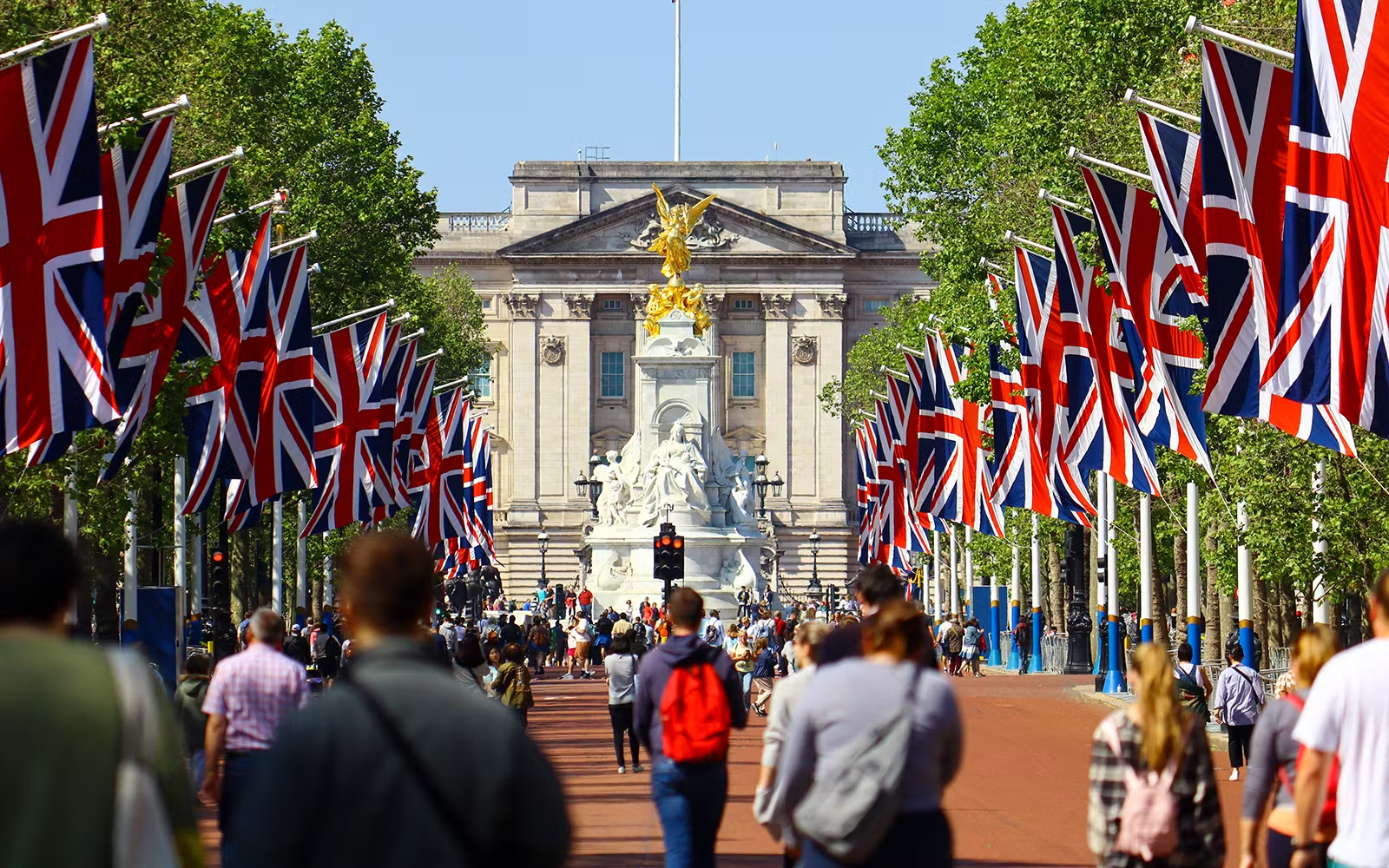
- Buckingham Palace State Rooms — July to late September only, from £33, and they sell out. Book here.
- Changing of the Guard — free, but not daily. Check the schedule, then arrive 45 minutes early.
- Kensington Palace — quieter than Buckingham, open all year, from about £24.70. The Sunken Garden outside costs nothing.
- Hampton Court Palace — Henry VIII’s, out west on the river. From £28, or £32 at peak. The hedge maze is what sticks.
- The Crown Jewels — inside the Tower, and nothing in London is queued harder.
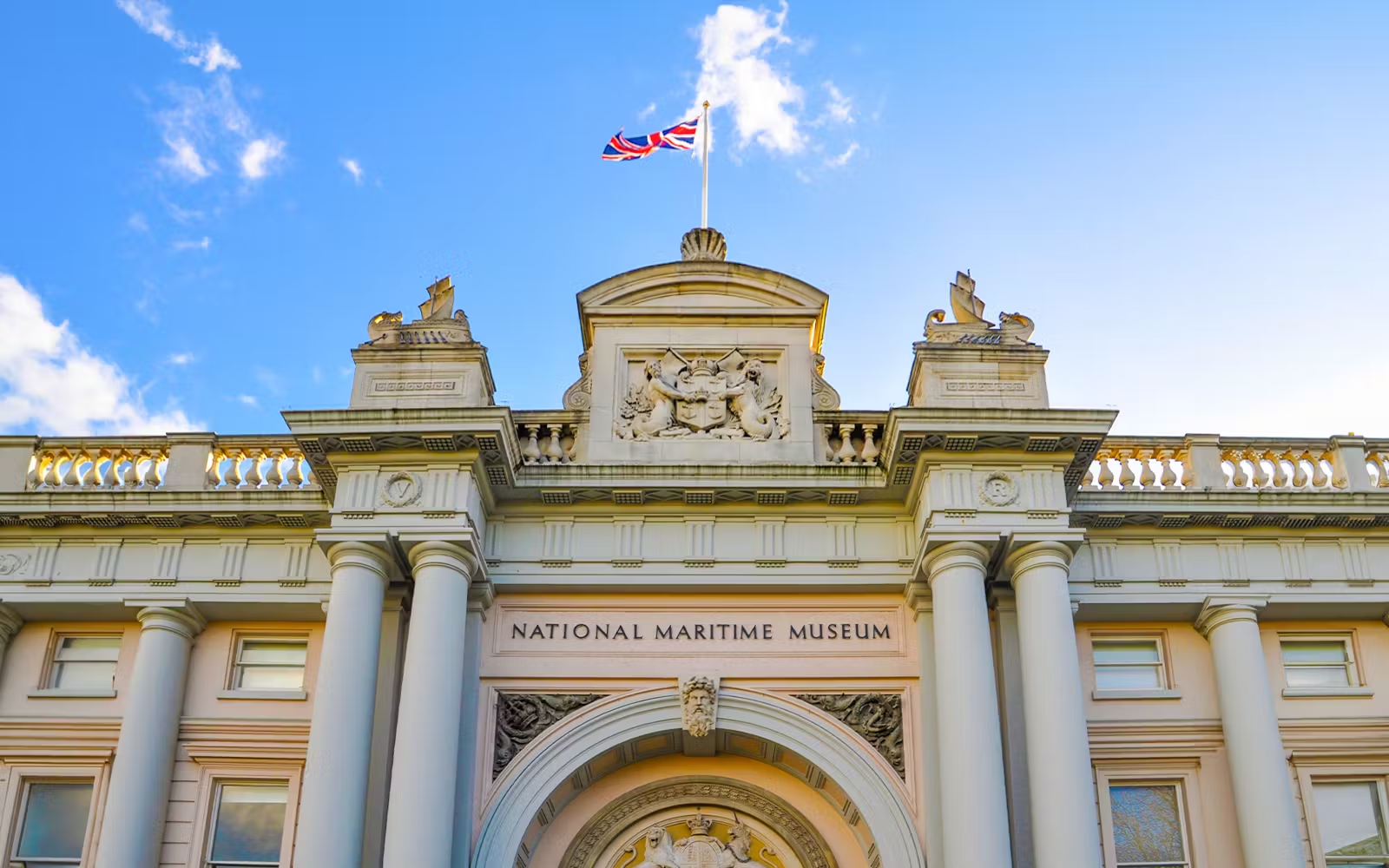
- Royal Observatory Greenwich — one foot in each hemisphere, standing on the Prime Meridian, and cheaper bundled through the Royal Museums Greenwich Day Pass than bought on its own.
The best views over London

No London viewpoint wins outright, annoying though that is, so pick numbers fifteen to twenty on budget and on whatever you want in the photograph.
| # | Viewpoint | Price | Best for |
|---|---|---|---|
| 15 | London Eye | £25 to £29 online | Parliament and the river, in one slow loop |
| 16 | Sky Garden | Free | The Shard in your photo, if you book three weeks ahead |
| 17 | The Shard | From £19 | Height, although The Shard is missing from the view |
| 18 | Horizon 22 | Free | London’s highest free viewing floor, booked online |
| 19 | Primrose Hill | Free | The classic skyline silhouette, best at sunset |
| 20 | Greenwich Park | Free | Canary Wharf framed by the Old Royal Naval College |
Pay for one, and make it the Eye or The Shard. The free ones cover the rest between them. Then there is the quirk at number seventeen, which is that you cannot see The Shard from inside The Shard. Hence Sky Garden as the free stand-in.
Book Sky Garden and Horizon 22 the moment their windows open. Slots vanish in hours, and neither takes walk-ups. More paid options sit under London observation decks.
London’s free museums and galleries

This is where London quietly beats most cities. Numbers twenty-one to twenty-nine, free, permanently, and world class with it.
- British Museum — Rosetta Stone, Parthenon sculptures, mummies, no entry fee, and genuinely a two-day building if you let it be one.
- Natural History Museum — worth it for the architecture alone, then dinosaurs for the children. Free, though timed entry applies.
- Science Museum — next door, also free, and stronger for teenagers than toddlers.
- Victoria and Albert Museum — design, fashion, sculpture. Galleries free, big shows paid. The Cast Courts are the thing.
Art galleries worth your afternoon
- Tate Modern — modern art inside an old power station. Free, and the Turbine Hall piece changes through the year.
- National Gallery — Van Gogh, Turner, Monet, on Trafalgar Square. Fridays run to 21:00, which is the quiet hour.
- National Portrait Gallery — reopened, rehung, free. Small enough to do properly in an hour.
- Imperial War Museum — free, and its Holocaust Galleries rank among Britain’s best museum spaces. Heavy going.
- British Library Treasures Gallery — Magna Carta, Beatles lyrics, Leonardo notebooks. Free, tiny, and largely ignored.
Two paid ones belong here anyway, free section or not. London Transport Museum tickets are genuinely good value, and the Churchill War Rooms at £34 are worth it if you care about the period. Browse everything under London museums.
Worth saying plainly, because it surprises people: London’s free museums are not the budget version of the paid ones. They are the main event. The British Museum, the V&A and the National Gallery would each be a flagship paid attraction in almost any other capital, and here they cost nothing and ask for a donation at the door. Give them real time rather than an hour squeezed between tickets.
The Thames: cruises, bridges and riverside walks

Use the river. It is the spine of the city, and since a boat counts as transport, numbers thirty to thirty-five will save your legs more than you would guess.
- Thames river cruise — boats run Westminster to the Eye, then Tower Bridge and on to Greenwich. The Eye plus cruise combo saves around 15 percent.
- Uber Boat by Thames Clippers — an actual commuter catamaran rather than a tour. Faster than the Tube to Greenwich, and contactless works.
- South Bank walk — Westminster Bridge to Tower Bridge, roughly an hour. Performers, book stalls under Waterloo Bridge, and the best free views in central London.
- Millennium Bridge — pedestrian only, St Paul’s at one end, Tate Modern at the other. Free, and it links two big sights neatly.
- Greenwich by boat — go out on the river, come back on the DLR. The approach from the water is the whole point.
- Thames dinner cruise — dinner, a lit skyline, a couple of hours. Options under London dinner cruises.
A practical note. River services are weather dependent in winter and the open top decks close, so if you are visiting between November and February, book a boat with indoor seating. Everything river-based is listed under London cruises.
West End theatre and live shows

A West End night is about the most London thing on offer here, and numbers thirty-six to forty-one all undercut their Broadway equivalents.
| # | Show | What it is | Book |
|---|---|---|---|
| 36 | The Lion King | Puppetry spectacle, works for all ages | Lion King tickets |
| 37 | Hamilton | Hip-hop history, still hard to get | Hamilton tickets |
| 38 | The Phantom of the Opera | The longest-running West End musical | Phantom tickets |
| 39 | Harry Potter and the Cursed Child | Stage magic, and genuinely clever | Cursed Child tickets |
| 40 | Les Misérables | Big songs, big emotions | Les Misérables tickets |
| 41 | ABBA Voyage | Digital avatars in a purpose-built arena | ABBA Voyage tickets |
While you are there, also worth a look: Matilda The Musical and The Devil Wears Prada. Midweek matinees remain the cheapest seats available, so shift your night when the budget is tight.
One first-timer tip that saves real money. Upper circle seats in most West End houses have perfectly good sightlines, because the theatres are small and old. You do not need stalls. Full listings sit under London musicals and London plays.
Harry Potter in London

Even half-hearted fans come out happy, which is why numbers forty-two to forty-five stay on the list. You only read the first book? Still go.
42. Warner Bros. Studio Tour London. The real sets, the real props, Diagon Alley and the Great Hall. Adult tickets are £58.50 for 2026, children £47, family £188. It is in Leavesden, about twenty miles out, and pre-booking is compulsory. No walk-ups, ever.
Three routes out there, depending how much you want handled for you:
| Option | What you get | Good for |
|---|---|---|
| Studio Tour with return transport | Coach both ways from central London | Simplest option |
| Morning tour with hotel transfers | Picked up from your hotel | Families and early starts |
| Small-group guided tour with train transfers | Guide plus train, smaller group | Anyone who hates coaches |
43. Platform 9¾ at King’s Cross. Free, with a trolley half-embedded in the wall and a staff photographer. Queues are long and the shop next door is the real business model.
44. Leadenhall Market. Stood in for Diagon Alley exteriors. A gorgeous Victorian covered market, free, and best on a weekday when the City is busy.
45. Harry Potter and the Cursed Child. Already listed above, although it belongs here too.
London’s markets, from Borough to Portobello

Walking through a market costs nothing, which makes numbers forty-six to fifty-two the best value hours going.
- Borough Market — the oldest in London, and the food one. Go hungry, go midweek, and eat standing up. Full trading stops on Sundays and Mondays.
- Camden Market — music, vintage, street food, canal-side. Scruffy, sprawling, good.
- Portobello Road Market — Notting Hill antiques and pastel houses, with Saturday the big day and also the shoulder-to-shoulder one.
- Columbia Road Flower Market — Sundays only, running 8:00 until roughly 15:00, and the sellers shouting over one another is half the entertainment.
- Old Spitalfields Market — covered, East London, different traders by day. Your rainy-day option.
- Brick Lane — vintage, curry houses, bagels at 3am, plus the best street art in the city. Sunday is peak.
- Leadenhall Market — named twice here, because the architecture earns it.
A quiet tip. Borough by midday on a Saturday is barely walkable, so get there before 10:30 or just go on a Thursday. You lose nothing either way.
Where to eat and drink in London

London food stopped being a punchline years ago. Numbers fifty-three to fifty-seven, although they will still take your money fast if you are careless.
- A proper Sunday roast — beef, Yorkshire pudding and gravy, in a pub, roughly £18 to £25. Book by Friday, because the good ones fill.
- Afternoon tea — scones, finger sandwiches and far too much cake. Hotels start near £60, though a decent independent manages the same for about £30.
- Brick Lane curry or a Tayyabs grill — East London Bangladeshi and Pakistani cooking, where the portions tend to defeat people.
- A historic pub — Ye Olde Cheshire Cheese on Fleet Street, rebuilt in 1667, or the Prospect of Whitby in Wapping, going back to 1520. A pint runs £6 to £8.
- Street food at Maltby Street or Mercato Metropolitano — cheaper than restaurants, better than chains, and eaten outside.
Budget reality. A sit-down dinner for two with drinks in central London runs £70 to £100, although markets and pubs halve that, so mix the two across a trip. More ideas sit under London entertainment.
Parks and green space

Nearly half of London is green. Numbers fifty-eight to sixty-two, and every one of them free.
| # | Park | Highlight | Nearest area |
|---|---|---|---|
| 58 | Hyde Park | Serpentine lake, Speakers’ Corner, boat hire | Central |
| 59 | Regent’s Park | Queen Mary’s Rose Garden, London Zoo next door | North |
| 60 | St James’s Park | Pelicans, and the best view of Buckingham Palace | Westminster |
| 61 | Richmond Park | Free-roaming deer, 2,500 acres, gates open 24 hours | South west |
| 62 | Hampstead Heath | Parliament Hill skyline view, swimming ponds | North |
Richmond is the one first-timers skip, then regret skipping. Six hundred deer wander loose and it feels nothing like a capital city. Allow half a day though, because it is a trek from the centre.
Neighbourhoods worth a whole afternoon

Pick one or two of numbers sixty-three to sixty-seven, then wander rather than ticking off sights.
- Covent Garden — street performers, the covered piazza, Neal’s Yard round the corner with its painted walls. Touristy, still lovely.
- Notting Hill — pastel terraces and Portobello Road, far quieter midweek than the photographs suggest.
- Shoreditch — street art, independent coffee, vintage shops. Walk Brick Lane, Rivington Street and New Inn Yard.
- Greenwich — maritime history, a market, the Observatory and a park. Easily a full day on its own.
- Soho and Chinatown — theatre district, red lanterns, late-night food. Best after dark, and it runs well past midnight.
Two free curiosities worth adding to any wander: St Dunstan in the East, a bombed-out Wren church now overgrown into a garden, and Leake Street Arches under Waterloo, a legal graffiti tunnel that changes weekly. Neither costs anything, and neither appears on most lists.
A word on how London neighbourhoods really work, because the map misleads. The city grew by swallowing villages whole, so every area kept its own high street, its own character, its own centre of gravity. Which is why Greenwich feels nothing like Shoreditch, and why neither feels remotely like Kensington. Pick two per trip and do them properly. Sample six and you will remember none.
Day trips from London

Five days or more? Give one of them to somewhere else entirely. Numbers sixty-eight to seventy-three, and trains or coaches make it easy enough.
| # | Day trip | Travel time | Book |
|---|---|---|---|
| 68 | Stonehenge | About 2 hours each way | Stonehenge half-day trip |
| 69 | Stonehenge, Windsor and Bath | Full day, three stops | Combined day trip |
| 70 | Oxford and the Cotswolds | Full day, with a pub lunch | Cotswolds day trip |
| 71 | Warwick Castle and Stratford-upon-Avon | Full day, four stops | Warwick and Stratford tour |
| 72 | LEGOLAND Windsor | About 1 hour | LEGOLAND Windsor tickets |
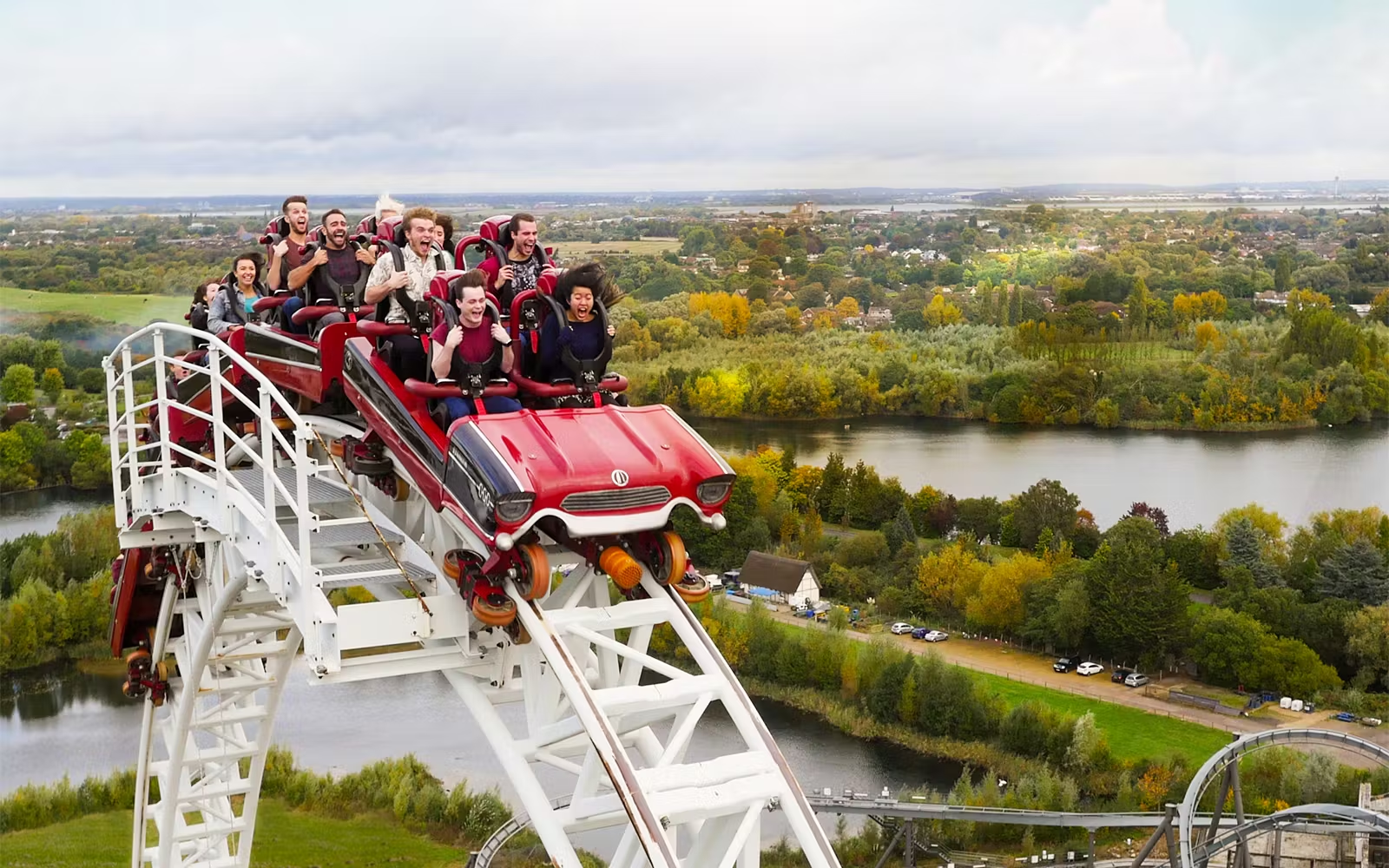
| 73 | Thorpe Park or Chessington | Under an hour | Thorpe Park / Chessington |
And that is your seventy-three. Guided coach trips cost more than going by train, although for Stonehenge they earn it, because public transport to the stones is genuinely awkward. The Stonehenge half-day tour guide breaks down what the trip involves.
For the theme parks, go on a weekday in term time if you possibly can. Queues halve. There is a detailed Thorpe Park entry guide and a LEGOLAND Windsor guide if you are taking children. Everything else sits under London day trips.
Free things to do in London

London rewards a tight budget better than almost any major city, so here is the free list pulled together in one place.
- All nine national museums and galleries listed earlier, permanently free
- Changing of the Guard at Buckingham Palace, on scheduled days
- Sky Garden and Horizon 22, both free but both needing an advance booking
- Every park on the list, including Richmond and Hampstead Heath
- All six markets, free to walk through
- The South Bank walk, street performers included
- St Dunstan in the East, Leake Street Arches and the Shoreditch street art
- Platform 9¾, Leadenhall Market and Millennium Bridge
- Evensong at Westminster Abbey or St Paul’s, which gets you inside without a ticket
That last one is the trick almost nobody uses. Attend a service and you enter free, although you are there to attend rather than sightsee, so no wandering with a camera. Our 30 best things to do in London roundup covers the paid highlights in more depth if you want a shorter list.
How many days do you need in London?

Four, short answer. Three works if you are efficient about it, while a week finally stops feeling rushed.
| Trip length | What fits | Who it suits |
|---|---|---|
| 2 days | The Westminster and Tower clusters, one show | Stopovers |
| 3 days | Add museums and one neighbourhood | Most first trips |
| 4 days | The sweet spot, since you get a Harry Potter or Greenwich day | Recommended |
| 5 to 6 days | Add a day trip, plus slower mornings | Proper holiday |
| 7 days+ | Stonehenge, Oxford, and time to repeat favourites | First and last visit |
Be honest with yourself about pace. Most people plan a four-day London trip as though they can do six things a day, and then do three. Travel between sights eats more time than the sights do.
The perfect 3-day London itinerary for first-timers

Built around walking distance, so you are not crossing the city twice a day.
Day 1: Westminster and the South Bank
- Morning: Westminster Abbey, then Big Ben and Parliament from the bridge
- Late morning: walk through St James’s Park to Buckingham Palace
- Lunch: Borough Market, reached by Tube or a river boat
- Afternoon: London Eye, then the South Bank walk
- Evening: a West End show
Day 2: The City and the Tower
- Morning: Tower of London at opening, Crown Jewels first
- Midday: Tower Bridge glass walkway
- Lunch: Leadenhall Market
- Afternoon: St Paul’s Cathedral, then Millennium Bridge to Tate Modern
- Evening: Sky Garden at sunset, booked weeks ahead
Day 3: Museums and a neighbourhood
- Morning: British Museum, in by 10:00 before the coach groups
- Lunch: Covent Garden
- Afternoon: Notting Hill and Portobello Road, or Shoreditch if it is a Sunday
- Evening: Soho and Chinatown for dinner
Got a fourth day? Give it entirely to the Warner Bros. Studio Tour or to Greenwich. Both are full days and neither mixes well with anything else. There is a longer London trip itinerary if you want more detail.
Getting around London: tube, bus and contactless

Forget paper tickets. Tap in with a contactless card or your phone, and the system caps your spend automatically.
| Fare | Cost (Oct 2026) | Note |
|---|---|---|
| Tube single, Zone 1 | £3.10 peak, £3.00 off-peak | Contactless or Oyster only |
| Bus or tram single | £1.75, rising to £1.85 from 1 November | No cash accepted on buses |
| Bus Hopper | Free | Any further bus within 60 minutes |
| Daily cap, Zones 1 to 2 | £8.90 | You never pay more in a day |
| Daily cap, Zones 1 to 6 | £16.30 | Covers Heathrow and Richmond |
| Bus and tram daily cap | £5.25, then £5.55 from 1 November | Buses only |
| Weekly cap, Zones 1 to 2 | £44.70 | Monday to Sunday |
| Children under 11 | Free | Up to four per adult on TfL services |
| Ages 11 to 15 | Half adult fare | Ask staff for a Young Visitor Discount |
Three things first-timers get wrong. Contactless beats Oyster for most visitors, since it reaches Luton, Stansted and Southend where Oyster does not. Everyone in your group needs their own card, because one card cannot pay for two people. And the Heathrow Express sits outside the caps entirely, so the Elizabeth line is far cheaper for the same trip.
Walking is underrated here. Covent Garden to Leicester Square is one Tube stop and a four-minute walk, so check a map before you tap in.
Is the London Pass worth it?

Sometimes. Mostly not. Here is the actual arithmetic rather than the marketing.
| Pass length | Adult price | Verdict |
|---|---|---|
| 1 day | £99 | Poor value, since you cannot fit enough in |
| 2 days | £149 | Loses by about £7 on the big five, so you need a sixth paid sight |
| 3 days | £179 | Works if you are doing three paid attractions daily |
| 7 days | £259 | Only for relentless sightseers |
| Explorer, 2 picks | £64 | Each pick must cost over £32, and few do |
Do the maths yourself before buying. The big five, meaning Tower, Abbey, St Paul’s, Eye and Tower Bridge, come to roughly £142 bought separately. A two-day pass is £149. So you are behind until you add a sixth paid attraction.
The pass makes least sense for two groups. Families, because child passes cost about two-thirds of adult while attractions charge children about half. And museum-focused travellers, since the big museums are already free and the pass adds nothing.
Often the better move is a London combo ticket covering two or three things you definitely want. The London Eye, Thames cruise and Tower of London combo saves around 13 percent with no pressure to race around. Current offers sit on the deals page.
What to book in advance, and what not to

This is the section that will actually save your trip, so read it properly.
Book before you fly
- Warner Bros. Studio Tour – compulsory, and dates sell out months ahead
- West End shows – the good seats go first, not the cheap ones
- Buckingham Palace State Rooms – summer only, so the window is narrow
- Sky Garden and Horizon 22 – free, but released roughly three weeks out
- Tower of London – timed entry, and weekends fill
- Guided day trips – coaches genuinely sell out in summer
Book a day or two ahead
- London Eye, because online is far cheaper than the gate
- Westminster Abbey and St Paul’s, mainly to skip the queue
- Natural History Museum, since free entry still needs a timed slot
- Sunday roast at any decent pub
Just turn up
- British Museum, Tate Modern, National Gallery and the other free museums
- Every park and every market
- Changing of the Guard, although arrive early for a view
- Platform 9¾, St Dunstan in the East and Leake Street
Check the refund terms before you commit to dated tickets, because London weather changes plans. Our cancellation and refund policy spells out what is flexible.
How much does a London trip cost?

Per person, per day, excluding flights. These are realistic rather than optimistic.
| Style | Accommodation | Food | Attractions | Transport | Daily total |
|---|---|---|---|---|---|
| Budget | £40 to £70 hostel or outer zone | £25 | £0, since museums are free | £8.90 | About £75 to £105 |
| Mid-range | £120 to £180 hotel | £55 | £40 | £8.90 | About £225 to £285 |
| Comfortable | £250+ central hotel | £100 | £70 | £15 with taxis | About £435+ |
The gap between budget and mid-range is almost entirely accommodation. London hotels are expensive, and central London hotels are expensive and small. Staying one or two zones out saves a lot while costing you fifteen minutes on the Tube.
Where the money actually goes for most first-timers: roughly 45 percent on the room, 25 percent on food, 20 percent on tickets, 10 percent on transport. So if you want to cut costs, the room is the lever, not the sightseeing.
Best time to visit London

| Season | Weather | Crowds | Verdict |
|---|---|---|---|
| March to May | 9 to 18°C, showers | Building | Excellent, since parks are in bloom |
| June to August | 18 to 24°C, long evenings | Peak | Best weather, worst queues and prices |
| September to October | 12 to 20°C | Easing | The sweet spot |
| November to February | 3 to 9°C, dark by 16:00 | Lowest | Cheapest, plus Christmas markets in December |
September and early October is my pick. The weather still behaves, the school holidays are over, and hotel rates drop noticeably from the August peak.
One caveat about summer 2026 specifically. The VAT reduction between late June and early September cut entry prices at several major attractions, so the usual advice to avoid summer on cost grounds was weaker than normal that year. Check current pricing rather than assuming.
Where to stay in London for first-timers

| Area | Suits | Trade-off |
|---|---|---|
| South Bank and Waterloo | Walking to Westminster and the Eye | Limited cheap options |
| Covent Garden and Soho | Theatre nights, walkable centre | Noisy and pricey |
| Kensington | Museums, quieter streets | Further from the City |
| King’s Cross | Trains, Eurostar, good value | Less scenic |
| Shoreditch | Nightlife, food, character | Thin on classic sights |
| Zone 2 generally | Saving money | Fifteen extra minutes each way |
If it is your first trip and you are staying three nights, pick South Bank or Covent Garden and accept the premium. Walking back to your hotel after a show beats a 45-minute Tube ride, and you will use the saved time on actual sightseeing.
First-timer mistakes to avoid in London

Every one of these is something people do on a first trip, so learn them cheaply here instead.
- Buying attraction tickets at the gate. The London Eye jumps from about £29 online to £39 walk-up, and that pattern repeats everywhere.
- Standing on the left of an escalator. Stand right, walk left. Londoners will not tell you politely.
- Planning Westminster Abbey on a Sunday. It closes to sightseers for services, so the day is wasted.
- Taking the Heathrow Express by default. It sits outside the fare caps, while the Elizabeth line costs a fraction for a slightly longer ride.
- Booking a hotel by postcode alone. Check the nearest Tube station instead, because London addresses tell you very little.
- Underestimating distances. Two sights on the same map page can be forty minutes apart.
- Skipping the free museums because they seem like the budget option. They are the best things in the city.
- Assuming you can walk into Sky Garden. It is free, but it is ticketed, and slots go fast.
- Only eating in the centre. Prices drop sharply one Tube stop out, and the food improves.
- Leaving the Studio Tour to chance. No booking means no entry. There is no walk-up queue at all.
Things to do in London with kids

Short section, because families need different answers.
| Attraction | Why it works | Tickets |
|---|---|---|
| Natural History Museum | Dinosaurs, free entry | Free |
| Science Museum | Hands-on floors | Free |
| London Transport Museum | Climb-aboard buses and trains | Paid |
| Madame Tussauds | Celebrity waxworks, indoor | Around £27 |
| LEGOLAND Windsor | Full day out, under-12s | Paid |
| Chessington | Rides plus a zoo | Paid |
| SEA LIFE London Aquarium | Next to the London Eye | Paid |
| Richmond Park deer | Free, and genuinely memorable | Free |
Remember the transport rule here, since it saves a lot: under-11s travel free on TfL, up to four children per adult. More options sit under London theme parks and London aquariums.
Unusual things to do in London

Once the big list is done, these are the ones that make a trip feel like yours.
- The Clink Prison Museum, on the site of one of England’s oldest prisons
- A Jack the Ripper and haunted London walking tour after dark
- Frameless London, where classic paintings fill entire rooms
- The Hunterian Museum, free, medical, and not for the squeamish
- Highgate Cemetery, where Karl Marx is buried
- Dennis Severs’ House in Spitalfields, a silent candlelit time capsule
- The Postal Museum Mail Rail, riding a tiny underground train
- God’s Own Junkyard in Walthamstow, a warehouse full of neon
The Frameless London visitor guide covers that one in detail, and more walking options sit under London walking tours.
Things to do in London at night

London does not shut at six. It changes shape, and a lot of the best hours are after dark.
Start with the obvious. A West End show is the default evening, and curtain-up is usually 19:30, which leaves time for dinner first. Matinees run on Wednesdays, Thursdays and Saturdays depending on the production.
| After dark | What it is | Cost |
|---|---|---|
| Sky Garden at sunset | Free viewing deck, bar service upstairs | Free entry |
| Thames dinner cruise | Dinner with the skyline lit | Paid |
| Soho and Chinatown | Late food, neon, theatre crowd | Free to wander |
| Jack the Ripper walking tour | Whitechapel history after dark | Paid |
| South Bank at night | Lit bridges, quieter than daytime | Free |
| A historic pub | Four hundred years of floorboards | £6 to £8 a pint |
| ABBA Voyage | Purpose-built arena, evening shows | Paid |
| Tower Bridge lit up | Best photographed from the north bank | Free |
A note on timing, because this catches people out. The Tube runs until roughly 00:30 on weeknights, while the Night Tube operates on Friday and Saturday on five lines. Night buses run every night. So plan your route home before you order the last round.
Winter changes things again, since it is dark by 16:00 from November. That sounds grim, although it means you get the lit-up city at a civilised hour rather than at ten at night.
London in the rain: indoor things to do

It will rain. Not for days on end, usually, but enough to wreck one afternoon. So have a backup.
The good news is that London’s rainy-day options are mostly free and mostly excellent.
- All the national museums, which can absorb an entire day between them
- Covered markets such as Old Spitalfields, Leadenhall and parts of Camden
- Frameless London, where the whole point is being indoors in the dark
- Madame Tussauds, entirely indoors and queue-managed
- London Transport Museum in Covent Garden, under cover and next to more cover
- A West End matinee, which is the best rainy-afternoon purchase in the city
- Afternoon tea, stretched out deliberately
- The Harrods food halls, free to walk through and warm
What to avoid in heavy rain: the London Eye, since visibility drops to nothing, and any rooftop viewpoint for the same reason. Those are the two tickets worth rescheduling rather than pushing through.
Pack a small umbrella rather than a big one. London rain usually arrives sideways in short bursts, and a golf umbrella on a crowded pavement makes you the villain.
Romantic things to do in London for couples

If this is a couples trip rather than a sightseeing sprint, swap a few items out.
| Idea | Why it works | Book |
|---|---|---|
| Sunset on the London Eye | A private capsule is bookable, so it is genuinely quiet | London Eye tickets |
| Thames dinner cruise | Dinner, skyline, and nobody rushing you | Dinner cruises |
| A play rather than a musical | Smaller houses, better for talking afterwards | London plays |
| Kyoto Garden, Holland Park | Koi, waterfall, almost nobody there | Free |
| Primrose Hill at sunset | The skyline, a bottle, a blanket | Free |
| Little Venice canal walk | Narrowboats and towpath cafes | Free |
| Afternoon tea | Long, slow and deliberately excessive | £30 to £60+ |
| Hampstead Heath, Parliament Hill | A protected view over the whole city | Free |
The single best free romantic hour in London is Primrose Hill about forty minutes before sunset. It costs nothing, it is a ten-minute walk from Chalk Farm, and the skyline lines up perfectly from the top.
If you want the paid version of that, book a late London Eye slot instead. Sunset capsules cost more and sell out first, so lock it in early.
Shopping in London

Even if you are not a shopper, two or three of these are worth an hour as sights in their own right.
- Oxford Street for the big chains, although it is crowded and frankly a bit grim at weekends
- Regent Street for better architecture and calmer flagship stores
- Covent Garden for independents and the Apple Market stalls
- Harrods in Knightsbridge, free to walk around, with Edwardian food halls worth seeing even if you buy nothing
- Liberty near Carnaby Street, a mock-Tudor building full of fabric and homeware
- Fortnum & Mason on Piccadilly for tea and hampers
- Portobello Road for antiques on Saturdays
- Brick Lane and Spitalfields for vintage
A practical point for overseas visitors. The UK scrapped VAT refunds for tourists some years ago, so there is no tax-free shopping at the airport the way there is across much of Europe. Budget accordingly rather than expecting money back.
Christmas shopping is a genuine reason to visit between mid-November and December. The Regent Street and Covent Garden lights are free, and the markets along the South Bank run through the season.
London’s events through the year

Timing your trip around one of these turns a good trip into a memorable one.
| When | Event | Note |
|---|---|---|
| January | New Year’s Day Parade, winter sales | Quietest month, cheapest hotels |
| March | St Patrick’s Day Parade | Free, central |
| April | London Marathon | Road closures, so plan around it |
| May | Chelsea Flower Show | Tickets sell out months ahead |
| June | Trooping the Colour, Wimbledon begins | Peak season starts |
| July | Pride in London, BST Hyde Park | Busy and expensive |
| August | Notting Hill Carnival | Europe’s biggest street festival, free |
| September | London Fashion Week, Open House | Open House gets you into closed buildings, free |
| October | Frieze, Diwali in Trafalgar Square | Shoulder season pricing returns |
| November | Lord Mayor’s Show, Bonfire Night | Christmas lights switch on |
| December | Winter Wonderland, Christmas markets | Festive, crowded, dark by four |
Open House in September is the underrated one. For a weekend, hundreds of private and working buildings open to the public for free, including places you cannot otherwise enter. Registration opens in August and the good ones ballot quickly.
London tips for Indian travellers

A short section, because a lot of first-timers flying in from India ask the same handful of questions.
- Visa. You need a UK Standard Visitor visa in advance, applied for online with biometrics at a VFS centre. Apply six to eight weeks ahead in peak season, since slots get tight.
- Flights. Direct routes run from Delhi, Mumbai, Bengaluru, Hyderabad, Chennai, Amritsar and Goa, with the Gulf carriers offering cheaper one-stop options.
- Food. You will not struggle. Southall, Wembley and Tooting have full Indian high streets, and Brick Lane covers Bangladeshi. Most central supermarkets stock Indian staples too.
- Vegetarian and Jain food. Widely available, and UK menus label vegetarian and vegan clearly by law. Jain requirements are easiest in Southall and Wembley.
- SIM and data. An eSIM bought before you fly is usually cheaper than roaming. Free Wi-Fi covers most Tube stations and all the museums.
- Payments. Contactless is everywhere, and many places no longer take cash at all. Tell your bank you are travelling, and carry one backup card.
- Weather. Even August evenings drop to about 14°C, so carry a light jacket whatever the forecast says.
- Plugs. Type G, three rectangular pins, 230V. Bring an adapter.
There is a wider UK guide for Indian tourists covering the rest of the country if London is one stop on a longer trip.
Accessibility, safety and practical bits

Boring, useful, and the stuff most lists leave out.
Accessibility
Roughly a third of Tube stations have step-free access, which is lower than most visitors expect. Buses, however, are all wheelchair accessible with ramps, so buses often beat the Tube for step-free journeys. Most major attractions offer free carer entry alongside a paying visitor, although you usually need to request it when booking rather than at the door.
Safety
London is broadly safe, and violent crime against tourists is rare. Phone snatching by moped or bicycle is the real risk, particularly around Oxford Street, Soho and Westminster. So do not walk along holding your phone out at arm’s length, and keep bags zipped on busy Tube platforms.
Tipping
A service charge of 12.5 percent is usually added in restaurants, and you can ask for it removed if service was poor. Pubs do not expect tips when you order at the bar. Taxi fares are typically rounded up rather than tipped properly.
Opening hours
Most attractions run roughly 10:00 to 18:00, with last entry an hour before. Sunday trading laws cap large shops at six hours, so expect 11:00 to 17:00 on Sundays. Bank holidays shift everything, and Christmas Day closes almost the entire city including the Tube.
Emergency number is 999, or 111 for non-urgent medical advice. Pharmacies are called chemists, and Boots is the one you will see everywhere.
One last planning point that ties all of this together. London pricing rewards people who decide early and punishes people who decide at the door, almost without exception. Online beats walk-up, weekday beats weekend, and off-peak beats peak on nearly every ticket in this guide. So even a loose plan made a week out will save you more than any discount code.
Getting from the airport into London

Six airports call themselves London. Only two are actually close, so check which one your flight uses before you book anything.
| Airport | Best route in | Journey time | Rough cost |
|---|---|---|---|
| Heathrow (LHR) | Elizabeth line | About 35 min to Paddington | Counts toward your daily cap |
| Heathrow (LHR) | Piccadilly line | 50 to 60 min to central | Cheapest, and slowest |
| Heathrow (LHR) | Heathrow Express | 15 min to Paddington | Fastest, but outside the fare caps |
| Gatwick (LGW) | Gatwick Express or Thameslink | 30 to 45 min | Thameslink is cheaper |
| Stansted (STN) | Stansted Express | 47 min to Liverpool Street | Contactless works |
| Luton (LTN) | DART shuttle plus train | 45 to 55 min | Two legs, one ticket |
| London City (LCY) | DLR | About 25 min to Bank | Closest airport by far |
| Southend (SEN) | Greater Anglia train | About 55 min | Furthest out |
The mistake almost everyone makes is taking the Heathrow Express by default because it is advertised hardest. It is genuinely fast, although it sits outside the daily fare caps entirely, so it costs several times what the Elizabeth line does for a difference of twenty minutes.
Unless you are late for something, take the Elizabeth line. It is comfortable, it has luggage space, and the fare counts toward your £16.30 Zones 1 to 6 cap. Our London trip itinerary assumes that route for a reason.
Taxis from Heathrow run £60 to £90 into central London and take longer than the train in traffic, so they only make sense for groups of three or more with heavy bags.
London on a budget: seeing the city for under £50 a day

Entirely doable, and it does not mean missing the good parts. Here is where the money actually goes.
| Item | Budget approach | Daily cost |
|---|---|---|
| Sightseeing | Free museums, parks, markets and viewpoints | £0 |
| Transport | Contactless, capped at Zones 1 to 2 | £8.90 |
| Breakfast | Supermarket meal deal or hostel kitchen | £4 |
| Lunch | Street food at a market | £8 to £12 |
| Dinner | Pub meal or supermarket cook-up | £12 to £18 |
| Evening | Free viewpoint, South Bank walk, or a day-seat theatre ticket | £0 to £25 |
| Daily total | Excluding your room | £33 to £64 |
Three tricks that genuinely work. Day seats are cheap same-day tickets released by West End theatres at the box office in the morning, often £20 to £30 for shows that normally cost triple. Lunch menus at good restaurants run at roughly half the dinner price for nearly the same food. And free museum lates, where the National Gallery stays open to 21:00 on Fridays and several museums run evening events, let you spread sightseeing into hours you would otherwise spend paying for something.
Add your accommodation on top and a genuinely frugal London day lands near £80 to £110 all in. That is not cheap, though it is far below what most first-timers assume the city costs.
If you do want paid attractions on a tight budget, buy combo tickets rather than singles and check the deals page first.
Things to do in London: frequently asked questions

The Tower of London with the Crown Jewels, Westminster Abbey, the London Eye, the British Museum, a West End show, Tower Bridge, Buckingham Palace and a Thames river cruise. Those eight cover the classic London experience, and all except the British Museum need advance booking.
Four days is the sweet spot. Three works if you are efficient and stay central, while five or more lets you add a day trip to Stonehenge or Oxford. Most first-timers underestimate travel time between sights.
The British Museum, which is free and permanently open, and Sky Garden, a free observation deck on the 43rd floor that requires an advance timed booking. All nine national museums are free, as are every park and market in the city.
Only if you visit three or more paid attractions per day. The big five attractions cost about £142 separately against £149 for a two-day pass, so you need a sixth paid sight before it saves money. It is poor value for families and for museum-focused trips.
Roughly £75 to £105 a day for budget travel, £225 to £285 mid-range, and £435 or more for comfortable travel, excluding flights. Accommodation is about 45 percent of the total, so staying one zone out is the biggest saving available.
More questions about things to do in London
Yes for the Warner Bros. Studio Tour, which has no walk-up entry at all, and for West End shows, Buckingham Palace State Rooms, Sky Garden and the Tower of London. Free national museums and all parks and markets need no booking.
Tap in with a contactless card or phone. The daily cap is £8.90 for Zones 1 to 2 and £16.30 for Zones 1 to 6, so you never pay more than that in a day. Buses cost £1.75 with free transfers within 60 minutes, and children under 11 travel free.
September and early October. The weather still holds, school holidays are over, crowds thin out and hotel rates fall from the August peak. November to February is cheapest but dark by 16:00.
Around £25 to £29 when booked online in advance, rising to about £39 at the box office on the day. Sunset slots cost more and sell out first, and combo tickets with a Thames cruise save roughly 15 percent.
Accommodation and restaurants are expensive, but sightseeing need not be. Nine world-class museums are free, every park and market is free, and transport is capped daily. A careful visitor can see a great deal of London for very little.
The bottom line
Seventy-three things, and you will not do all of them. Nobody does.
What actually matters on a first trip is this. Book the six or seven things that genuinely need booking, leave the free museums and parks as flexible filler, and accept that you will walk more than you expect. London rewards wandering far more than it rewards a packed schedule.
Start with things to do in London for live pricing across everything above, check the current deals before you book, and have a look at our 30 best things to do in London roundup if you want a shorter shortlist. For planning the days themselves, the London trip itinerary goes hour by hour.
And leave one afternoon with nothing in it. That is usually the bit people remember.