Nobody warns you how fast Hong Kong moves on you. You land, you drop your bags, and within two hours you are on the Peak Tram watching the city slide sideways at an angle that shouldn’t be possible, wondering how you got here so quickly.
Then you are at street level again, sitting on a plastic stool at a cha chaan teng with a bowl of noodle soup in front of you that costs four dollars and tastes like it shouldn’t. That gap — between those two moments, those two versions of the same city — is what Hong Kong actually is. And in 2026, it’s still doing it better than almost anywhere.
So yes, the question is fair: is it worth the trip? Let’s actually answer it.
What Makes a Hong Kong Vacation So Different?

There is no easy way to summarise Hong Kong because it refuses to be one thing. Finance capital, food obsessive’s paradise, surprisingly serious hiking destination, a place where a century-old temple shares a block with a flagship luxury mall — it runs all of this in parallel, constantly, without any apparent effort.
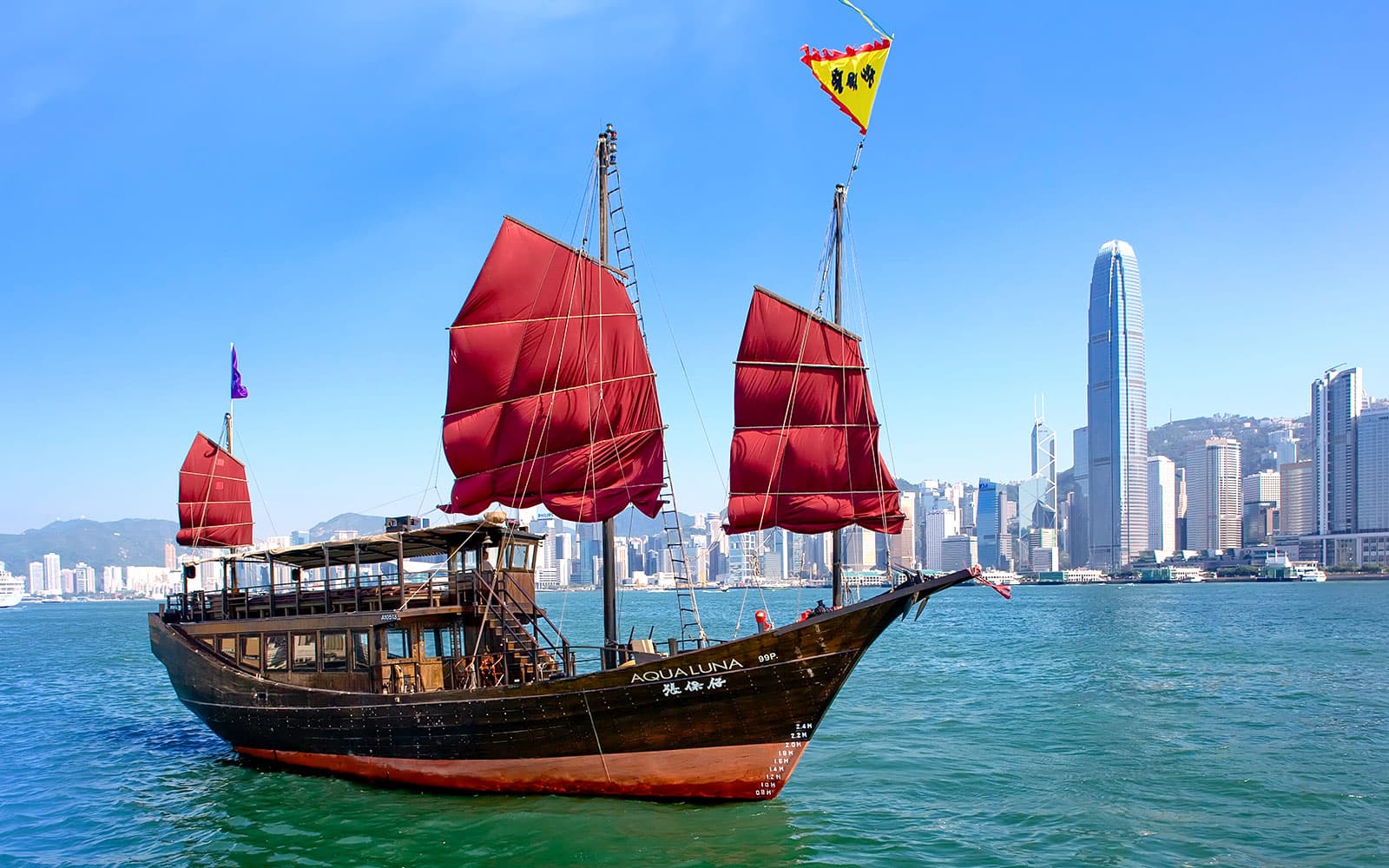
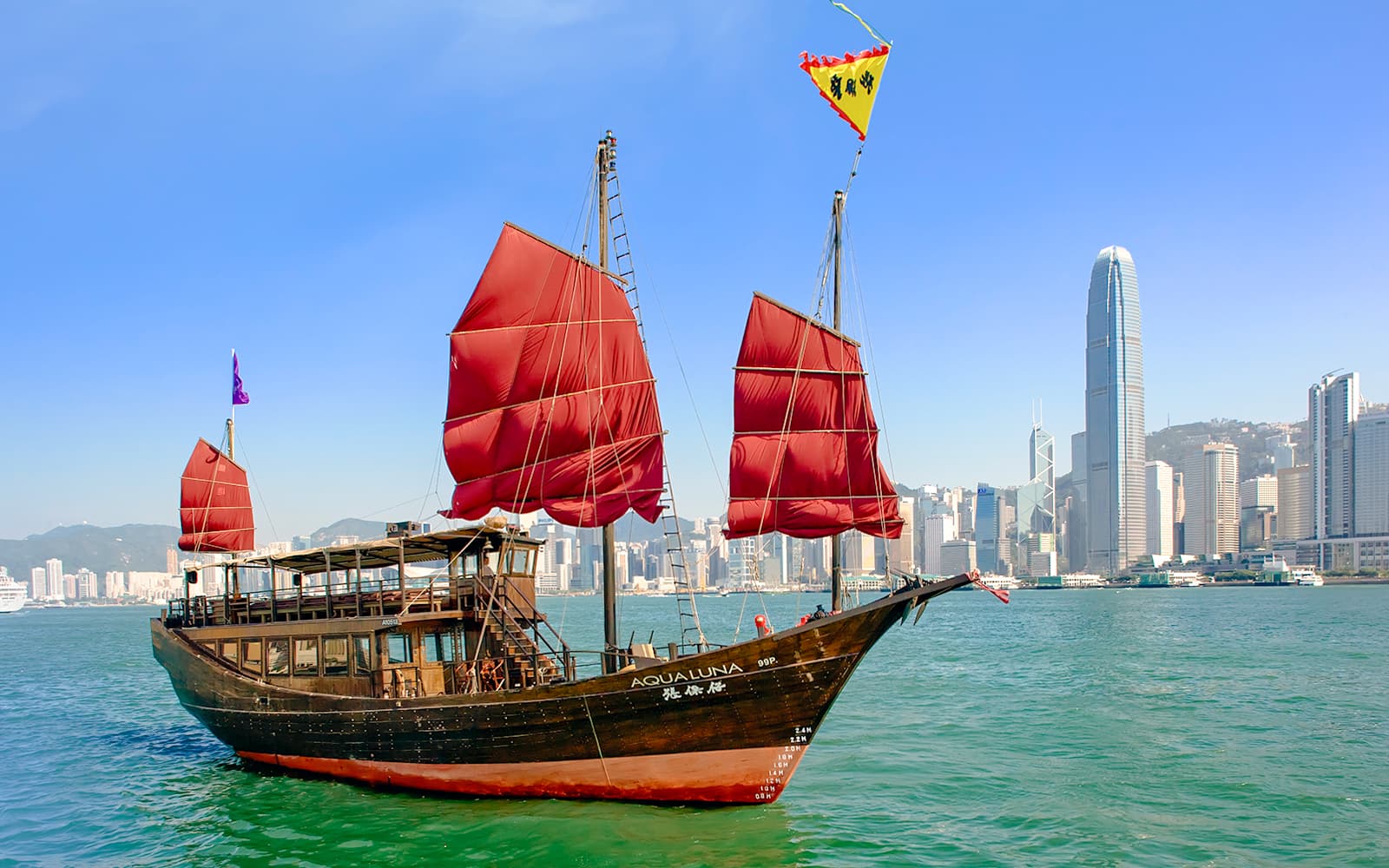
The MTR will get you almost anywhere in minutes. English works everywhere. And the city never really stops; 2am in Mong Kok feels like 2pm in most other places. Victoria Harbour is the centrepiece, and it earns the reputation. Whether you’re walking the Tsim Sha Tsui waterfront or crossing on the Star Ferry, the skyline hits you differently in person than it does in photos.
After dark, when the Symphony of Lights starts up across the water, you get why people keep booking flights back. If this is your first time in Asia, Hong Kong is one of the best possible starting points — familiar enough not to overwhelm, distinctive enough to actually show you something.
If you have already done the Bangkok-Bali circuit and want more texture, more density, more of a city that genuinely challenges you — this is it. And it won’t make you fight for every experience. It meets you more than halfway.
Best Time to Visit Hong Kong

The calendar matters here more than people realise. Pick the right months and the whole trip opens up. Pick the wrong ones and you’re watching typhoon warnings on your phone while sweating through a shirt you just put on.
October to December is where most people who’ve been before will tell you to go. The heat breaks, the air dries out, and the visibility over the harbour is sharp enough to make every rooftop view feel earned. November is the standout — not too busy, not too cool, and the city feels like it’s at its easiest. Long days, clear skies, no humidity to fight through.
March to May works well too. Still warm, but the kind of warm that doesn’t drain you, and crowds tend to thin out compared to the winter peak. June through September is a different proposition: hot, genuinely humid, and typhoon season is real. Not unmanageable, but you’d be going in with open eyes.
Budget travellers sometimes find this window worthwhile purely on price. January and February are pleasant enough, though Lunar New Year — mid-February in 2026 — brings the city to life in a way that’s worth seeing, if you can handle the crowds and the price bump that comes with it.
Book early for the New Year period. Accommodation sells out properly, and the rates reflect that.
Hong Kong Vacation Cost: What Will You Actually Spend?

Straight answer: Hong Kong is expensive, but not in the way people fear. The ceiling is high, but the floor is lower than most people expect — and which one you end up closer to depends almost entirely on two things: your hotel and your eating habits.
Hotels are where the money goes. Average rates sit around HK$1,100 (US$140) per night in 2026. Central, Tsim Sha Tsui, and Causeway Bay are the priciest neighbourhoods; staying in Kowloon, Mong Kok, or North Point gets you noticeably further for the same budget. Worth knowing: the 3% Hotel Accommodation Tax came back in 2025 and is still running — small, but worth building in before you confirm a booking.
Food is where Hong Kong quietly compensates. Skip the hotel restaurants and the tourist-facing spots and eat where residents eat — dai pai dongs, cha chaan tengs, old-school dim sum halls that open at six in the morning. Congee and egg waffles from a street stall run HKD 20–40 ($2.50–$5 USD). A proper sit-down meal at a cha chaan teng costs HKD 50–80 ($6–$10). The food is good. Often very good.
Here is a realistic picture of what a day costs in 2026:
| Travel Style | Daily Person (Per Person) | Accomodation | Food | Notes |
| Budget | $78-$93 USD (HK$610-730) | Hostels/guesthouses in Kowloon | Street food & local canteens | MTR Octopus card for transport |
| Mid range | $130-$194 USD (HK$1,020-1,523) | 3-4 star hotel | Mix of local & sit-down dining | Covers major attractions |
| Comfortable | $205-$280 USD (HK$1,600-2,200) | Modern hotel, good location | Dim sum + occasional nice meals | Entry to Disneyland, Peak Tram |
| Luxury | $400-$621 USD (HK$3,100-4,866) | Harbour-view hotels | Michelin-starred & fine dining | Full-service experiences |
Travelling lean — hostel, street food, Octopus card — you can move through Hong Kong on HK$700 to HK$1,200 a day without really missing much. A comfortable mid-range setup with a decent hotel and real meals pushes that to HK$1,800–HK$3,000. Two people at mid-range for a week typically land around $2,720 all in, not counting flights.
Higher than Southeast Asia? Yes. On par with Singapore or Tokyo? Roughly. And Hong Kong holds its own against both of them for what it actually delivers.
Things to Do in Hong Kong: Iconic, Hidden, and Everything Between

The problem is not finding things to do. It’s accepting that you will leave things undone — the city is too packed with worthwhile experiences to get through all of them. So here is the honest shortlist: the things that actually justify the plane ticket. Victoria Peak first. The views across Victoria Harbour, Kowloon, and Hong Kong Island from the top are the kind that make people go quiet for a moment.
Sky Terrace 428 and Lions Pavilion give you proper near-360° perspectives, and after dark the whole thing shifts into something more dramatic. The Peak Tram ride up is worth your attention in itself — that lurching, steep ascent where the buildings alongside you appear to tip sideways is genuinely strange and weirdly enjoyable.
To build this into a full first day, the Big Bus Hong Kong Hop-on Hop-off Tour on TickYourList makes practical sense. You get three bus routes across the city, a round-trip Peak Tram ride, a Star Ferry pass, a Harbour Cruise, a Sampan ride through Aberdeen Fishing Village, and onboard Wi-Fi — all under one booking. Good for day one, when you want to cover ground before you commit to anything specific.
Lantau Island is the one most visitors underbook, and almost everyone wishes they’d given it more time. The Ngong Ping 360 cable car crosses green hillsides that look nothing like the Hong Kong you just left behind. The Tian Tan Buddha at the top is larger than expected and genuinely worth seeing up close.
The monastery below carries a quiet that feels almost surreal after a few days of city noise. From there, the bus to Tai O takes around twenty minutes — a small fishing village on stilts at the island’s western tip that feels like a genuine community rather than a set piece. It’s the kind of discovery that gets mentioned in every trip recap.
Temple Street Night Market in Jordan and Ladies’ Market in Mong Kok don’t need a hard sell. Show up in the evening without a plan, follow your nose toward the food stalls, and let it unfold. The Kowloon evenings are their own thing. And if you want to stretch one properly, the Big Bus Kowloon Night Tour on TickYourList takes the open-top deck through the neon-lit streets with clear harbour views. Sounds like a tourist thing, feels like the right call.
The Star Ferry still earns its reputation — eight minutes, a handful of dollars, and a harbour crossing that no hotel rooftop can really replicate. Take it at least once in each direction. And one that keeps getting skipped: the Hong Kong Palace Museum in West Kowloon. It opened in 2022 and settled quietly into being one of the best cultural spaces the city has.
The collection — imperial Chinese artefacts on loan from Beijing’s Palace Museum — is genuinely impressive, and the building itself is worth the visit. Tickets are available through TickYourList, which also has options for Madame Tussauds and LEGOLAND Discovery Centre if you are travelling with younger kids. The museum is calm even when the rest of the city isn’t. Give it two or three hours.