If you’re planning a trip to Tuscany, put the Uffizi Gallery Florence at the top of your list — and then spend ten minutes planning the visit, because this is a museum that punishes turning up unprepared.


If you’re planning a trip to Tuscany, put the Uffizi Gallery Florence at the top of your list — and then spend ten minutes planning the visit, because this is a museum that punishes turning up unprepared.
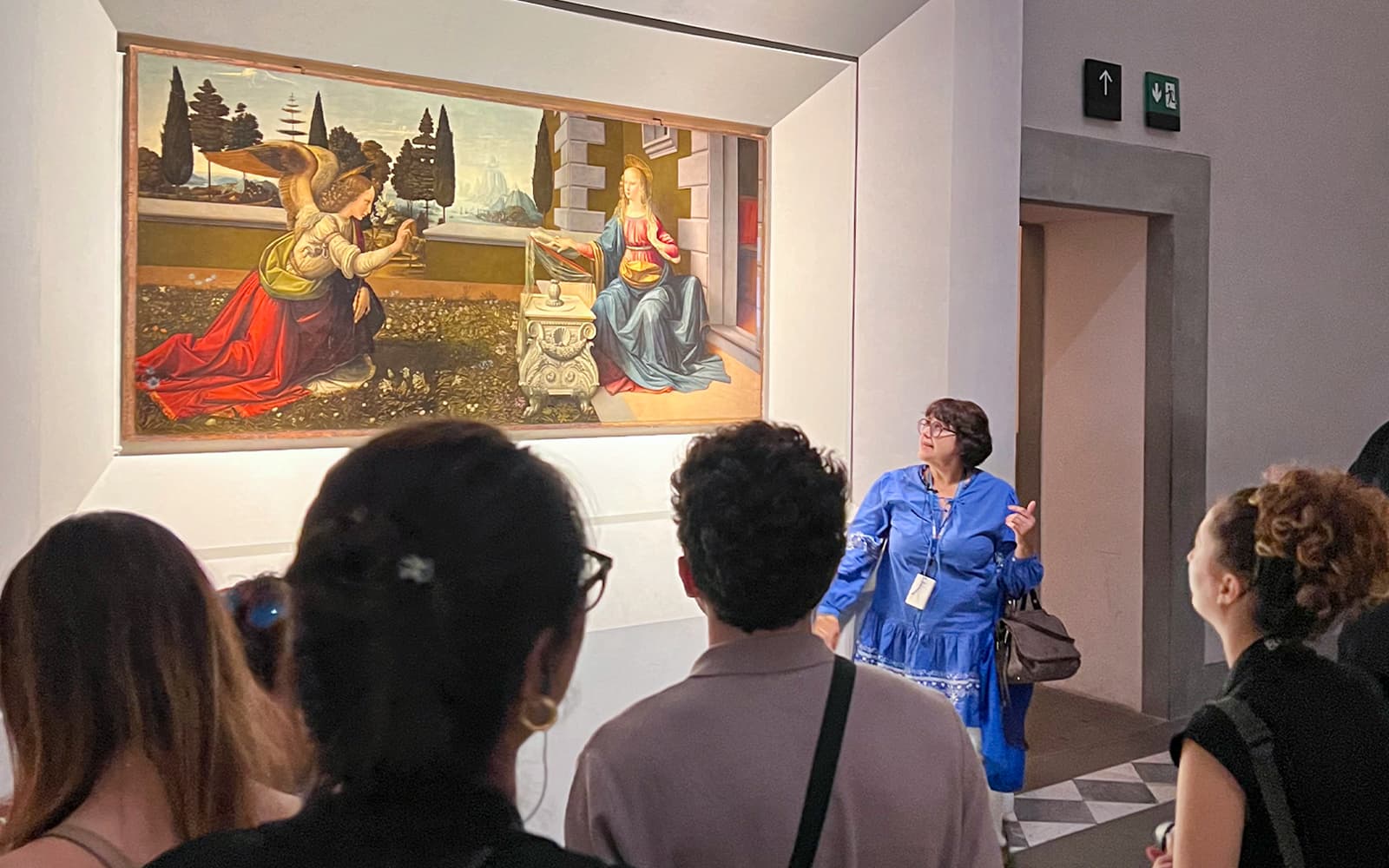
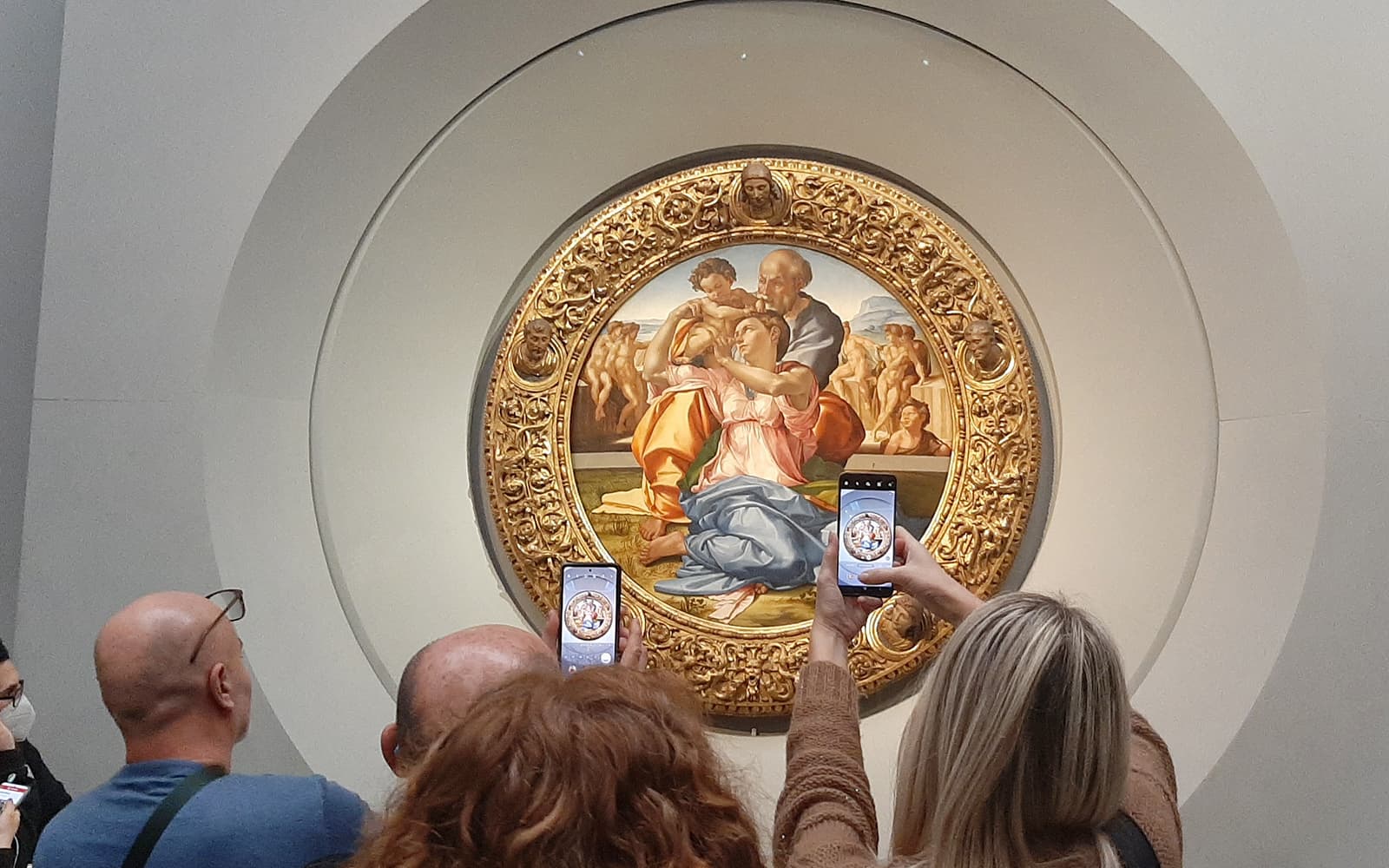
Botticelli’s Birth of Venus is here, along with Leonardo’s Annunciation. Michelangelo’s Doni Tondo follows, then Caravaggio’s Medusa. The rooms are set up in a loose painting timeline, not a strict one.
In July, lines can stretch for over two hours. Ticket costs were updated in 2026. There is also a discount that many guests never find.
Here’s what actually matters.

Start here, because it’s worth about €9.
Entry from 16:00 costs €16 at the door, or €20 booked online. A standard ticket is €25 at the door or €29 online. The afternoon discount was introduced on 1 January 2026 and is barely advertised.
Late afternoon also happens to be one of the two quietest windows of the day, so you’re paying less to visit at a better time. There’s an early-bird rate too, for 8:00–8:55am entry, at roughly €6 off the advance online price.
| Ticket | At the door | Booked online |
| Standard adult (before 16:00) | €25 | €29 |
| Afternoon (from 16:00) | €16 | €20 |
| EU citizens aged 18–25 | €2 | €2 + fee |
| Under 18 | Free | Free + €4 fee |
The €4 gap between door and online prices is the reservation fee. It’s non-refundable, and it applies even to free tickets.
One caveat: some sources still quote a €12 low-season rate for November to February, while others report the Uffizi moved to flat year-round pricing in 2026. Check uffizi.it for your dates before assuming either.

| Location | Piazzale degli Uffizi 6, Florence, beside Piazza della Signoria |
| Opening hours | Tuesday–Sunday, 08:15–18:30 |
| Last entry | 17:30 |
| Closed | Mondays, 1 January, 1 May, 25 December |
| Nearest station | Santa Maria Novella, about 15 minutes on foot |
| Recommended visit | 2 to 4 hours |
| Best time | Right at 08:15 opening, or from 16:00 for the cheaper ticket |
Last entry at 17:30 is enforced — arrive at 17:35 and you won’t be admitted. Staff start closing individual rooms from 18:00, so a 17:30 arrival gives you roughly an hour.
The gallery occasionally runs extended Tuesday evening openings in late summer, sometimes to 21:30. Those are announced seasonally.

It began in 1560 as administrative offices for the Medici — uffizi is old Italian for “offices”. Cosimo I de’ Medici commissioned Giorgio Vasari to design the long U-shaped palace, and over the next two centuries the upper floors became a private gallery. It opened to the public in the late 1700s, making it one of Europe’s earliest museums.
The Uffizi Galleries complex — which also covers the Pitti Palace and Boboli Gardens — draws several million visitors a year between them, with the Uffizi itself taking over 8,000 people a day in peak season.

| Day | Hours | Last entry |
| Monday | Closed | — |
| Tuesday–Sunday | 08:15–18:30 | 17:30 |
| 1 Jan, 1 May, 25 Dec | Closed | — |

Time of day matters most. Right at 08:15 opening is the quietest window, since tour groups arrive mid-morning. From 16:00 is the second — and now the cheaper one. Avoid 10:30 to 13:00, the busiest stretch of any day.
Day of week matters less, but Tuesdays and Wednesdays are consistently calmer than weekends. Fridays and Saturdays in high season can feel shoulder to shoulder in the Botticelli rooms.
Season matters a lot.
| Season | Crowds | Verdict |
| November–February | Low | Best for an unhurried visit; the Botticelli rooms can feel almost private at 16:00 in January |
| March–May | Moderate to high | Good balance, book 2–4 weeks ahead |
| June–August | Very high | Go at opening or after 16:00, expect queues regardless |
| September–October | Moderate | Second-best window overall |
A warning about free Sundays. Italian state museums offer free entry on the first Sunday of certain months. At the Uffizi this produces waits of three to four hours and rooms packed solid. Visiting in low season on a weekday at €12–16 is a far better experience than a free Sunday.

Further than most guides suggest.
Bookings for 2026 opened on 2 February 2026.

Worth being straight about, because the term oversells itself.
A timed-entry entrance ticket lets you bypass the ticket office queue, which in peak season runs 45 to 120 minutes. That’s the real saving.
It does not skip security screening. Every visitor queues 15 to 25 minutes for that regardless of ticket type.
And in low season, when the ticket office wait averages only 15 to 30 minutes, the advantage shrinks to roughly 10 to 15 minutes total. Skip-the-line is worth real money in July and not much in January.
Third-party sellers charging €10–20 over the official rate are poor value unless you specifically need flexible cancellation or a guided tour. Compare against €29 online, not against the €25 door price.

The museum sits between Piazza della Signoria and the Arno, so most visitors walk.
From Santa Maria Novella station it’s about 15 minutes: head toward the Duomo, down Via de’ Calzaiuoli, through Piazza della Signoria.
Bus line C1 stops within a few minutes of the entrance. Driving isn’t realistic — the historic centre is a restricted traffic zone and parking is scarce and expensive.
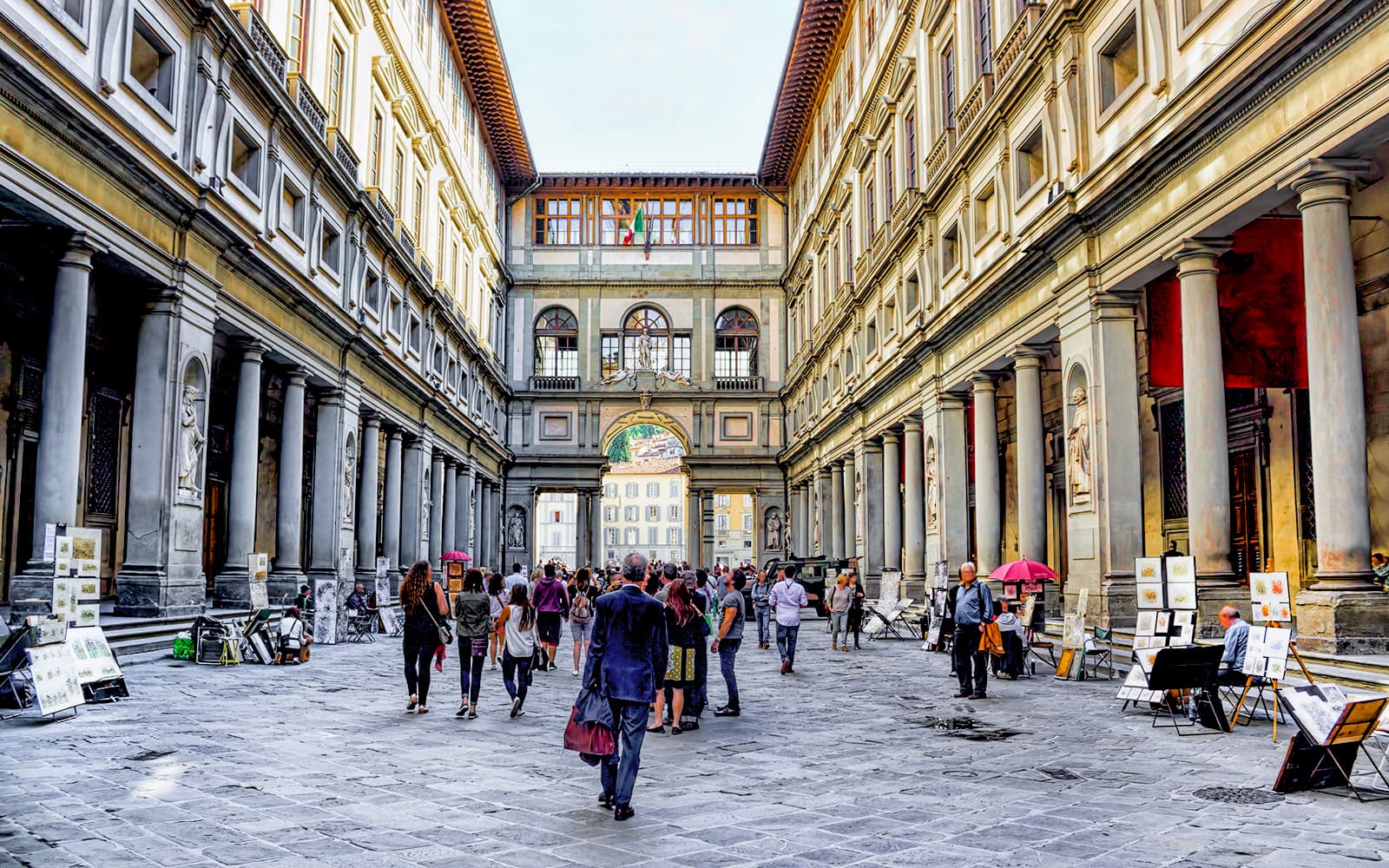
The entrance is on the Piazzale degli Uffizi, the long courtyard between the Palazzo Vecchio and the river. Download your QR code before you arrive; the signal around the entrance is unreliable on busy days.

The collection spans two floors.
Second floor holds the heart of it, running chronologically from 13th and 14th century altarpieces through the Botticelli rooms, then Leonardo and Michelangelo, and on to the Tribuna, the octagonal chamber built for the Medici’s most prized pieces.
First floor picks up later — Titian, Caravaggio and the Venetian masters.
Start on the second floor and let the chronology carry you forward rather than doubling back through crowded corridors.

With over 100 rooms, focus beats completeness.
Room numbering has been reorganised in recent years, so use the museum’s current map rather than a room number from an older guide.

| Visit style | Time | Best for |
| Express highlights | 2 hours | Tight schedules |
| Standard | 3–4 hours | Most visitors |
| Deep dive | 4–6 hours | Art lovers and returners |
Covering all 100-plus rooms in a day is exhausting, and most people who try it rush the second half without noticing. Fewer rooms properly beats everything at a jog.

Self-guided works if you know the artists, using the museum map or a free app. Best for repeat visitors.
Audio guide rents at the entrance for around €6 in most major languages — the middle option, and a solid choice for first-timers.
Guided tour costs more but adds narrative and usually includes reserved entry. Worth it if you want the history explained as you walk.

Wheelchair accessible, with lifts connecting the ground floor to both exhibition levels and ramps at the main entrance. Accessible toilets on each floor. Staff can arrange alternative entry for larger mobility equipment — contact the museum ahead if that applies.

The Uffizi is not really a family museum, but you can still do it. Try to keep the visit to under an hour and a half. Pick just three or four spaces to see, not everything.
Go for Botticelli, Leonardo, Caravaggio, and the old works in the Tribuna. There is often a free audio guide made for kids. The terrace cafe on the second floor also works well as a break spot.


Step outside and you’re in Piazza della Signoria, with the copy of Michelangelo’s David and the Palazzo Vecchio. The Ponte Vecchio is a few minutes toward the river. The Galleria dell’Accademia, holding the original David, is about 15 minutes north.
If you’re visiting several museums, the PassePartout covers the Uffizi, Pitti Palace and Boboli Gardens, and the Firenze Card covers dozens of Florence museums — worth pricing if you’ll see five or more.
Pair the Uffizi with one or two nearby sights rather than stacking museums. The wider list of things to do in Florence covers the Duomo climb, the Accademia and the day trips out into Tuscany.
Two decisions shape this visit. Book far enough ahead for your season, and pick your entry time deliberately — 08:15 for the quiet, or 16:00 for the quiet and the cheaper ticket.
Get those right and you’ll spend your time actually looking at the Birth of Venus rather than queuing for it.
Uffizi Gallery Florence is one of Europe’s oldest museums, built in 1560 as Medici administrative offices and converted into a public gallery by the late 1700s. It holds Botticelli, Leonardo, Michelangelo, Caravaggio and Titian across two floors.
The Uffizi Gallery is famous for holding the world’s deepest collection of Italian Renaissance painting, above all Botticelli’s Birth of Venus and Primavera. It also traces the Renaissance chronologically, room by room, from Gothic altarpieces to High Renaissance masterworks.
The famous works in Uffizi Gallery include Botticelli’s Birth of Venus andPrimavera, Leonardo’s Annunciation and unfinished Adoration of the Magi, Michelangelo’s Doni Tondo, Caravaggio’s Medusa and Bacchus, Titian’s Venus of Urbino and Piero della Francesca’s Urbino portraits.
The Uffizi Gallery is located in Florence historic centre at Piazzale degli Uffizi 6, between Piazza della Signoria and the Arno. It’s about fifteen minutes on foot from Santa Maria Novella station; bus C1 stops nearby.
The Uffizi Gallery entrance fee is €25 at the door or €29 booked online, the difference being a non-refundable reservation fee. Entry from 16:00 drops to €16 on-site or €20 online under the 2026 afternoon discount.
Not generally. Under-18s enter free year-round with ID, and EU citizens aged 18–25 pay €2. Italian state museums also offer free entry on the first Sunday of certain months, though that brings three-to-four-hour queues and packed rooms.
At €25 it sits mid-range for a major European museum, and the €16 afternoon ticket makes it good value. Skip-the-line resellers charging €10–20 above the official rate are where visitors genuinely overpay for essentially the same ticket.
Two hours covers the highlights, three to four suits most visitors, and four to six rewards art lovers. Attempting all hundred-plus rooms in one day is exhausting, and most people who try it rush the second half.
Plan it in less than an hour and a half. Stick to three or four rooms, like the ones for Botticelli, Leonardo, Caravaggio, and the ancient statue. Many museums offer a free audio guide for kids. If you need a break, the terrace by the cafeteria on the second floor is a good spot.
Tuesday to Sunday, 08:15 to 18:30, with last entry strictly at 17:30. Closed Mondays, 1 January, 1 May and 25 December. Extended Tuesday evening openings sometimes run to 21:30 in late summer, announced seasonally.
Experiences connected to this travel guide.

Jun 18, 2026
You are planning a trip to Italy. You have got Rome on the list, maybe Florence, probably a few days on the coast. And somewhere in the mix or it…
Read guide
Jan 29, 2026
If you are planning a trip to Milan, combining Pinacoteca di Brera tickets with a visit to the Milan Cathedral creates the perfect cultural day out. Why? These two landmarks…
Read guide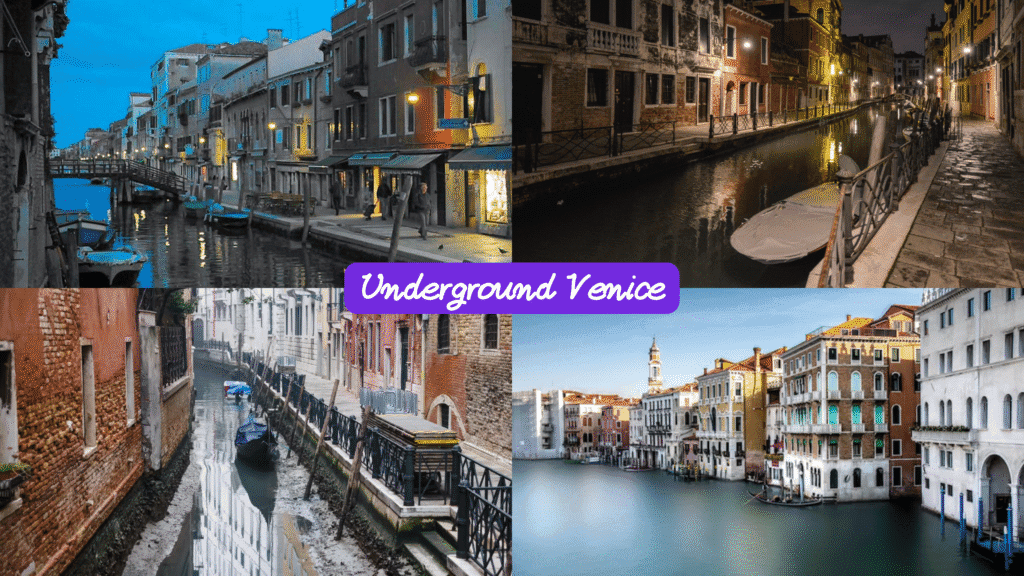
Dec 22, 2025
Underground Venice is commonly referred to as a city that goes against nature, a box of limestone resting on a forest of submerged wooden poles. Although large numbers of visitors…
Read guide


