Ourika Valley Day Trip Guide: Everything to Know Before You Go
Ourika Valley sits just an hour outside Marrakech, and it might be the easiest way to feel like you’ve actually left the city for a day. One minute you’re dodging...
Ourika Valley sits just an hour outside Marrakech, and it might be the easiest way to feel like you’ve actually left the city for a day. One minute you’re dodging scooters in the medina. Next, you’re looking up at Atlas peaks with a glass of mint tea warming your hands.
This guide covers why Ourika is worth the drive, how to get there, what a full day actually looks like, and how to choose between doing it yourself and joining a tour — including the practical things nobody mentions until you’re at a trailhead without cash.
Quick Answer
Ourika Valley sits about 60 to 65 km south of Marrakech. The drive takes close to an hour on the P2017 road as you go up toward Setti Fatma village. You reach it at about 1,500 metres.
The valley is famous for seven waterfalls that drop in steps. You also pass working Berber villages. The air feels a lot cooler than in Marrakech.
A day trip usually lasts 7 to 8 hours from start to finish. Most tours leave near 09:00 and return before the evening. Shared tours with hotel pickup often cost around $15 per person. Private tours cost more.
Why It’s Worth a Full Day
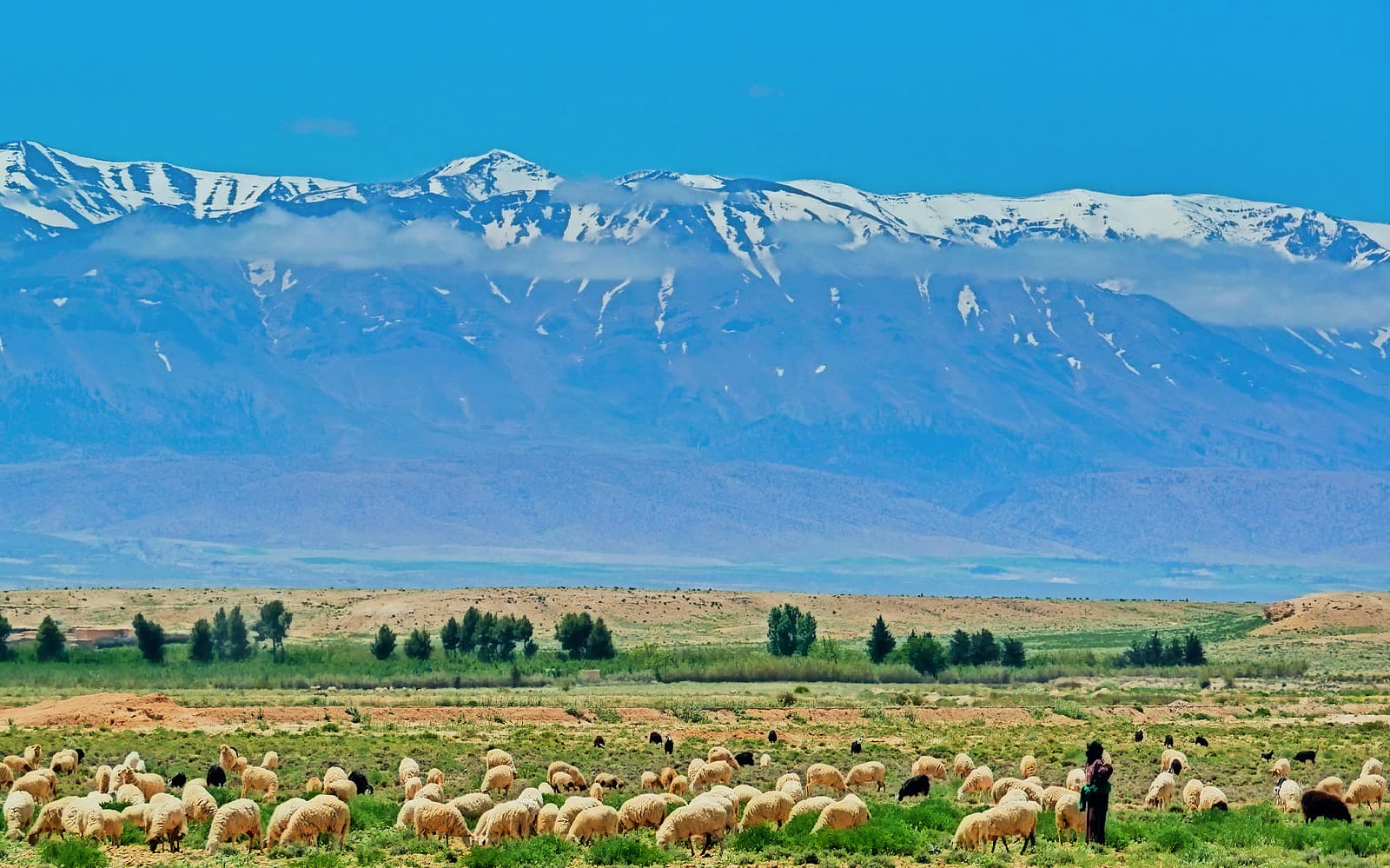
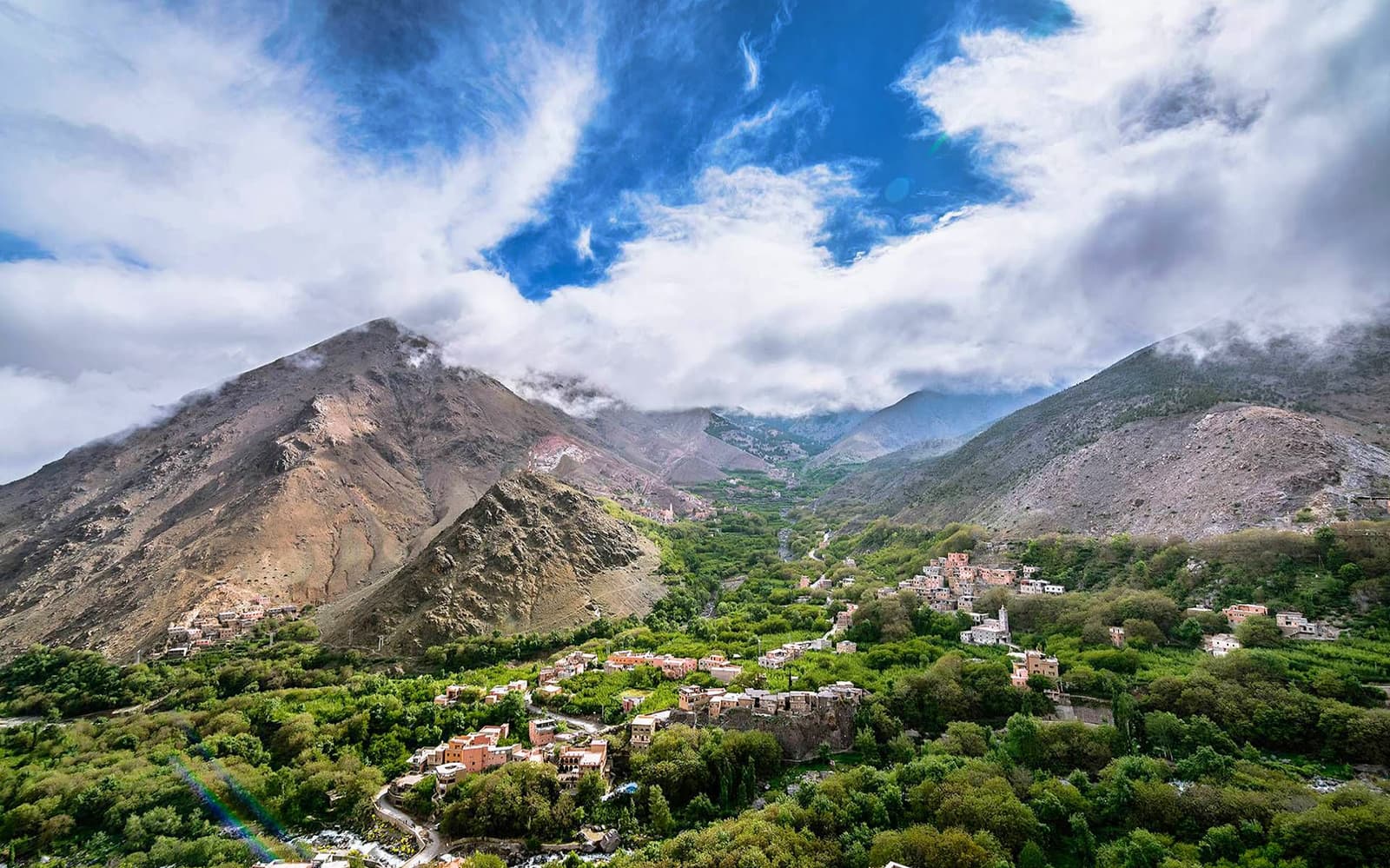
Lots of folks think of Morocco as sand and dunes. Then they get to Ourika and their view shifts. This place sits at the foot of the High Atlas. You see a valley shaped by a river, with green slopes and small terraces. Walnut trees fill parts of the land. You also notice Berber homes and farms, tended for many years.
The Ourika River, called an oued in local speech, starts with snow melt. That water keeps the area green, even when Marrakech feels hot. As you drive, the road rises toward about 1,500 metres near Setti Fatma.
The weather changes along the way. It can feel cooler by roughly 10 to 15 degrees. People from Marrakech often come here on warm weekend days to get relief.
This mix is why it works for a full day. You see mountains and waterfalls. You also get a look at village routines, not just a quick stop. The trip does not ruin your whole schedule either.
Getting There: Your Options
The drive follows the P2017 south, covering 60 to 65 km in about an hour depending on traffic leaving Marrakech. The road is part of the experience — roadside pottery and argan stalls, towns thinning out, plains giving way to foothills until the tarmac simply ends at Setti Fatma.
Option
Typical cost
What you get
Shared grand taxi
Cheapest, locals’ choice
No schedule, no guide, you sort the trail yourself
Shared minibus tour
From $15 per person
Hotel pickup, AC vehicle, guide, fixed 09:00 departure
Booked through a riad or medina agent
$27–38 per person
Convenient, but the price swings on how well you haggle
Private guided tour
$110+
Private vehicle, dedicated guide, flexible stops, usually lunch
Check what’s included before you book. Lunch is the one that catches people out — plenty of shared tours stop at a riverside restaurant but leave the meal at your own expense. Budget about $10 to $15 per person if that’s the case.
A full-day Atlas Mountains and Ourika Valley waterfall tour from $15 covers hotel pickup, the drive through the foothills, a Berber village and cooperative visit, and the hike toward the falls — which sits at the low end of the shared-tour market rather than above it.
The other thing a booked tour sidesteps is the classic Ourika headache: haggling over a fare near Jemaa el-Fna, then discovering the person beside you on the same minibus paid something completely different.
The Berber Villages
The heart of any Ourika trip is the string of villages along the valley road, and they aren’t staged for tourists. Families here have farmed, woven and traded this land for centuries.
Setti Fatma is the largest, at the head of the valley where the road ends and the waterfall trails begin. On the way you’ll pass smaller hamlets where mudbrick homes cling to the hillside and terraced gardens follow the slope.
Many villages have women’s cooperatives demonstrating and selling handmade rugs, argan oil and traditional weaving — often the same cooperatives underpinning the local economy.
If your timing lines up, don’t skip Tnin Ourika, roughly halfway up. It hosts one of the region’s most important weekly souks every Monday — the name itself means Monday — and it’s among the best places near Marrakech to watch rural Berber commerce happen properly, with barely a tourist in sight.
Spend time walking here and you start picking up on Amazigh culture, which is what many Berber communities call themselves, and which predates Arab influence in Morocco by centuries.
The Seven Waterfalls of Setti Fatma
When you talk to the guides, ask them what the true best part is. Most of them say the same thing, fast, with no pause.
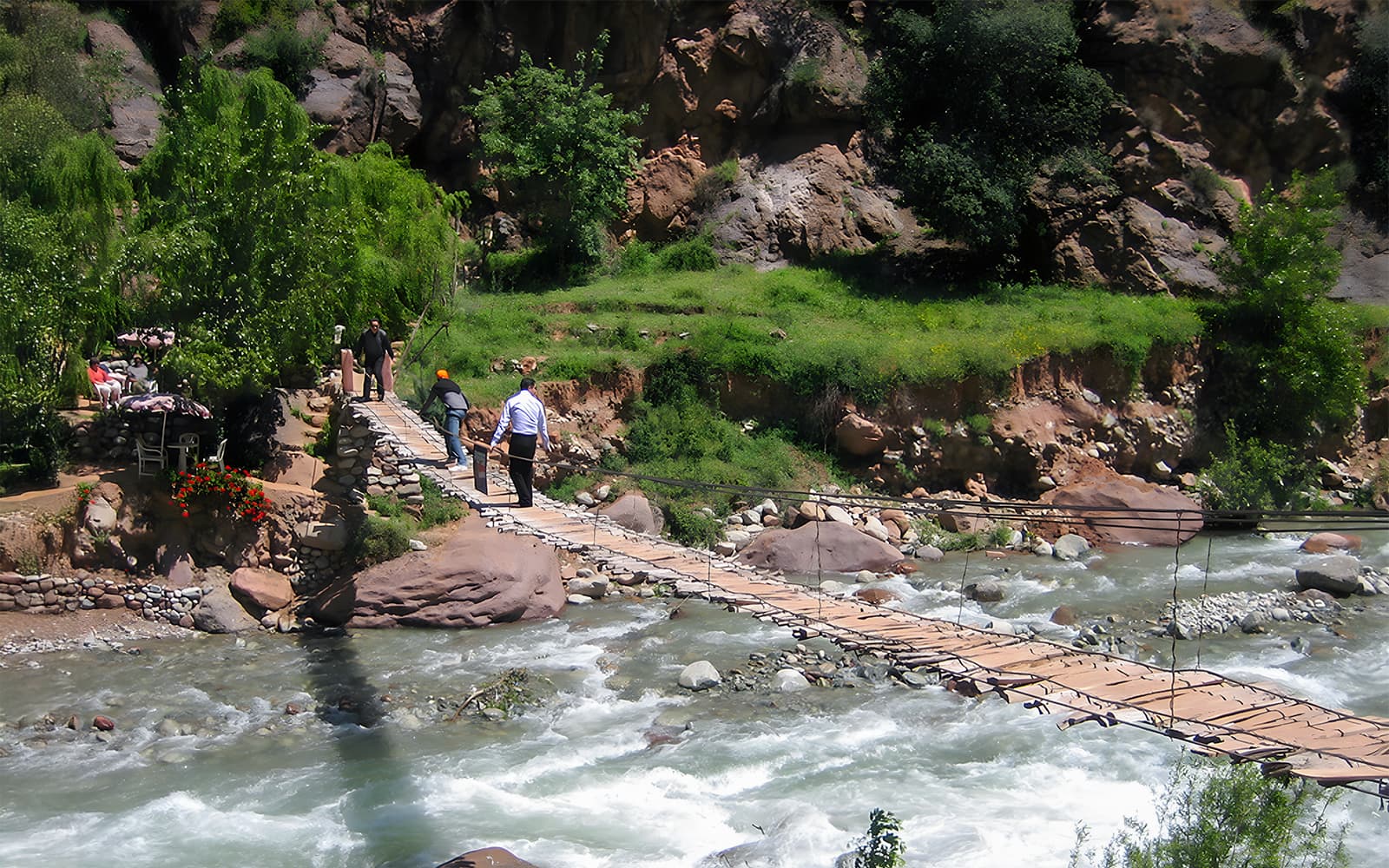
The first waterfall is an easy outing, about a 30 to 45 minute walk from the village. You go over a wooden suspension bridge that spans the river. People who are only there for the day usually plan around this. Tours that are well set up often include roughly an hour for the trip.
All seven is a different morning — closer to a two-and-a-half to three hour round trip, scrambling over boulders, hopping streams and picking your way up terrain that gets steeper and slipperier as you climb. Trainers and determination will get you there; proper hiking shoes make it noticeably easier.
Local guides wait near the trailhead and typically charge about $10 to $15 to lead you to the first waterfall, agreed on the spot and paid in cash. Mules are available if climbing isn’t your thing.
Keep your eyes up on the higher trails — Barbary macaques, Africa’s only wild monkey species north of the Sahara, are regularly spotted near the falls and along the rockier stretches.
One safety note worth taking seriously
Ourika is known for flash floods. There was a big incident in 1995. Since then, summer storms have come back again and again. When heavy rain hits, local officials put up warnings. They also sound sirens along the river edges.
If you are in town during a storm, or right after one, do not ignore the signs. Stay away from the water. Follow what your guide says. Also listen to what local authorities tell you. This is not a formality.
Free time in the village, shopping, or sitting by the river
16:00–17:00
Drive back, with a final stop if time allows
17:30–18:00
Drop-off in Marrakech
Treat this as a shape rather than a script. Weather, group size and how chatty your guide gets over lunch can shift things half an hour either way.
What to Pack
Footwear matters more than anything else. The walk crosses uneven, often wet rock. Trainers or light hikers beat sandals comfortably.
Bring cash. Card machines are rare this far from the city, and small dirham notes cover tips, the trailhead guide, lunch and anything from a cooperative.
Layer up. Marrakech may feel warm when you leave, but the valley sits at real elevation and turns cool near the water or in shaded lanes.
Sun protection regardless. The greenery is deceptive — the Moroccan sun is strong in every season.
Dress modestly and ask before photographing people. It’s someone’s home you’re walking through, not an exhibit.
Best Time to Visit
March to June and September to November are the sweet spot: warm days, cool nights, rivers running well from snowmelt, and no summer crowds pushing prices up.
Summer works and is popular for exactly the reason you’d expect — the valley offers real relief from Marrakech’s heat. You’ll share the trails with more people and hike through warmer middays.
Winter brings a quieter valley with snow sometimes visible on the higher peaks. Striking photographs, colder water.
Final Thoughts
Ourika gives you a side of Morocco that many people never think to look for when they are in Marrakech. You get hills, moving water, and real village routines that feel more like life goes on there every day than like a set.
Wear solid shoes. Carry some cash. Also check if lunch comes with your plan. Then keep space in your afternoon. Go and sit by the river for a while. Most travelers say that is what sticks with them.
If you are still working out the rest of your trip, the bigger list of things to do in Marrakech usually includes the medina, the gardens, and trips out toward the desert.
FAQs
What is an Ourika Valley day trip?
An Ourika Valley day trip takes you 60 kilometres south of Marrakech into the High Atlas foothills, combining Berber villages, an argan cooperative and the Setti Fatma waterfalls. Most run 7 to 8 hours with hotel pickup included.
How does an Ourika Valley day trip from Marrakech work?
Pickup from your riad is usually around 08:00 to 09:00, followed by an hour’s drive along the P2017. You’ll stop at a village and cooperative, hike toward the falls, eat by the river, and return by early evening.
How much does an Ourika Valley day trip cost?
Shared minibus tours with hotel pickup start around $15 per person. Booking through a riad or medina agent runs $27 to $38, and a private tour with a dedicated vehicle and guide costs upwards of $110.
Not on a shared tour. At around $15 with transport and a guide, it’s among the cheapest full-day excursions from Marrakech. Budget separately for lunch, which is often excluded, and about $10 to $15 for a trailhead guide.
What does an Ourika Valley and waterfall day trip include?
Most tours include a hotel pickup. You usually ride in an air-cooled van. A local guide comes with you. The route often stops at a Berber village and then at an argan co-op. After that, you go on a guided walk to the Setti Fatma waterfalls. Some trips do not include lunch, so it is best to confirm this before you book instead of guessing.
What’s on a day trip to the Atlas Mountains, Ourika Valley and Berber villages?
The foothills drive with photo stops, a working Berber village where families still farm and weave, a women’s argan cooperative, and the waterfall hike at Setti Fatma. On Mondays you can add the Tnin Ourika souk.
Can you do a half day trip to Ourika Valley?
Technically yes, but it’s tight. Two hours of driving plus a village stop leaves little time for the waterfalls. A half day trip to Ourika Valley suits photo stops and mint tea; the hike really needs a full day.
How long does an Ourika Valley day trip take?
Seven to eight hours door to door, including two hours of driving. The first waterfall is a 30 to 45 minute walk from Setti Fatma; reaching all seven adds closer to three hours round trip.
What day trips are near Marrakech?
Ourika Valley is the closest at an hour each way. Alternatives include Ouzoud Waterfalls at around three hours, the Agafay desert, Essaouira on the coast, and the Imlil valley for higher Atlas hiking. Ourika suits the tightest schedules.
Is an Ourika Valley day trip worth it?
For most visitors, yes. It’s the quickest genuine contrast to Marrakech — mountains, a river and lived-in Berber villages within an hour of the medina. Bring cash, wear proper shoes, and check the weather before you go.