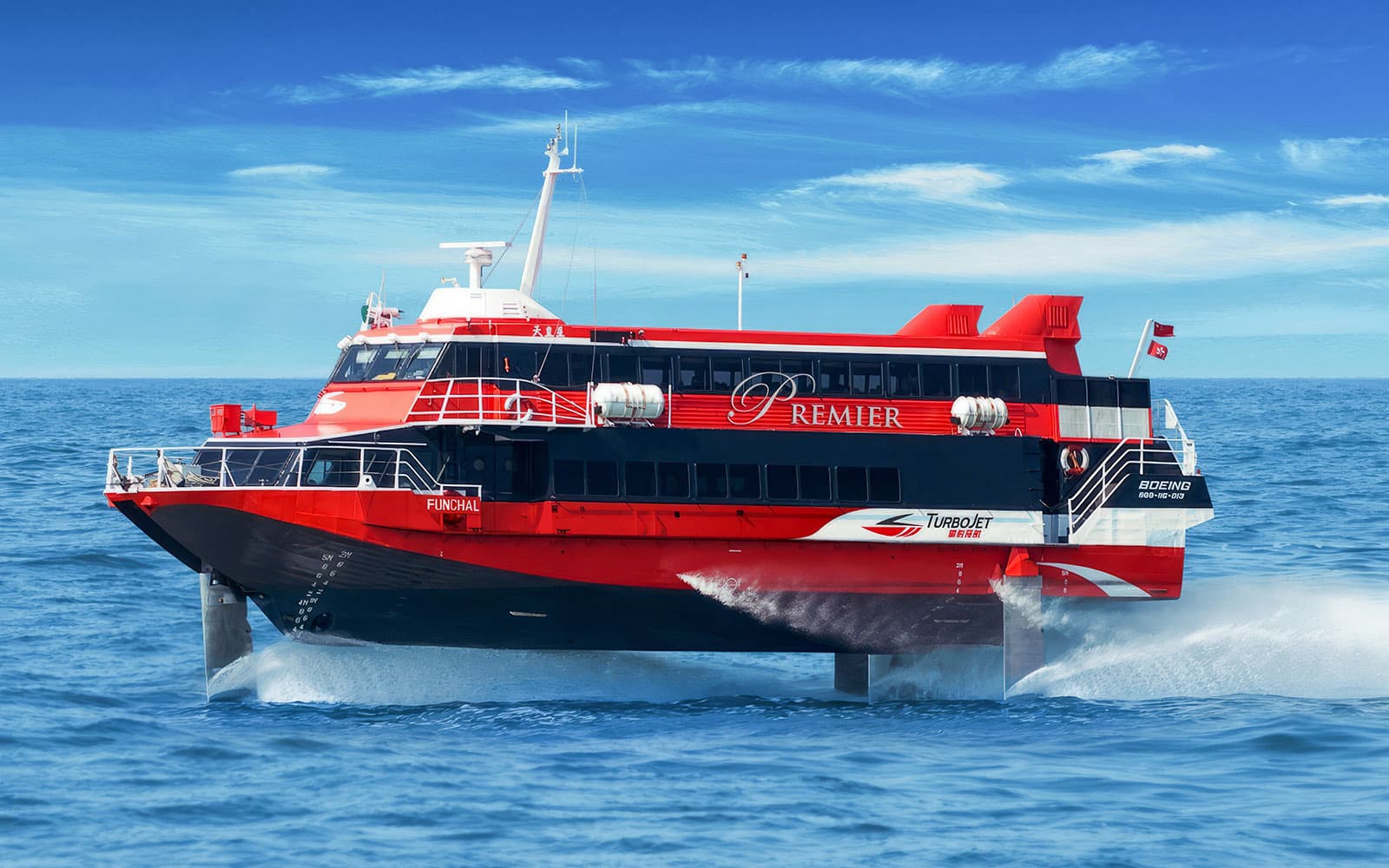
Hong Kong to Macau Ferry Tickets: TurboJET Routes, Timings and Prices
Booking Hong Kong to Macau ferry tickets sounds like it should take five minutes, and once you understand the system, it does. The issue is the first search. It mixes...
Booking Hong Kong to Macau ferry tickets sounds like it should take five minutes, and once you understand the system, it does. The issue is the first search. It mixes two operators, multiple starting stops, three seating levels, and prices that change by both day and hour.
This is how the whole thing runs in practice. So you can pick the right ticket on your first try.
Quick Snapshot
Details
Operator
TurboJET (Shun Tak-China Travel Ship Management)
Crossing time
Roughly 55 to 70 minutes
Frequency
Every 15 to 30 minutes by day, hourly overnight
Runs 24 hours
Yes
HK departure points
Hong Kong Macau Ferry Terminal (Sheung Wan), China Ferry Terminal (Tsim Sha Tsui), SkyPier (HKIA)
Go here first. This is the bit that trips people up when they travel.
From 24 November 2025, any boat leaving at 18:30 or later is treated as a night sailing. It also uses the higher night fare. So it is 6:30 pm, not midnight. If you set off after work, or after an early dinner, you will be charged that rate. If you can move your trip to 18:00, you may cut your cost.
Prices are in Hong Kong dollars. They already include the Hong Kong departure tax. Holiday fares apply on public holidays in both Hong Kong and Macau. If your travel days are close to a holiday, check both calendars.
TurboJET Routes: Where You Depart From
Picking the wrong terminal can quietly add an hour to your day.
Hong Kong Macau Ferry Terminal, Sheung Wan — the main one, inside the Shun Tak Centre directly above Sheung Wan MTR. Most frequent sailings, easiest for anyone on Hong Kong Island. There’s a TurboJET Service Centre on the first floor with luggage storage and porter service. This is the departure point for TurboJET tickets from Hong Kong Macau Ferry Terminal to Outer Harbour, the most commonly booked route of the lot.
China Ferry Terminal, Tsim Sha Tsui — at China Hong Kong City on Canton Road, a few minutes’ walk from the Star Ferry and TST and Austin MTR stations. Departures on the first floor, arrivals on the second. Saves Kowloon-based travellers the harbour crossing, though sailings run less often than Sheung Wan.
SkyPier, Hong Kong International Airport — the underused one, and worth understanding properly. It’s a cross-border transit facility linked to the terminal by the Automated People Mover, and it lets you go from your arrival gate straight to Macau without clearing Hong Kong immigration. The catch: it’s for passengers in transit only. If you’ve already entered Hong Kong, you can’t use it.
If you’re flying into HKIA but want to leave from Sheung Wan, TurboJET runs a “Premier Plus” complimentary land transfer between the airport and the Sheung Wan terminal for eligible passengers.
On the Macau side, you’ll land at Outer Harbour Ferry Terminal, closer to the Peninsula and the older city, or Taipa Ferry Terminal, a short hop from the Cotai Strip resorts. Check which one your sailing lands at before booking if you’re staying on Cotai — it changes your onward transfer considerably.
Outer Harbour works as a building on its own. The first floor has arrivals. The second floor is for departures. On the third floor you can find places to eat, shops, and the waiting area. There is also a tourist information desk, a post office, luggage storage, and Wi-Fi. Macau International Airport is roughly a 10 minute drive from here.
TurboJET or Cotai Water Jet?
Cotai Water Jet is the other operator, landing exclusively at Taipa on the Macau side.
TurboJET has the edge on coverage, and the SkyPier route is one nobody else offers. If you’re headed straight to a Cotai Strip resort, Cotai Water Jet’s direct Taipa run can shave time off your onward transfer. For anyone connecting through the airport, TurboJET is the more practical pick.
Timings
TurboJET runs around the clock, with sailings roughly every 15 to 30 minutes through the day, tapering to hourly overnight. You rarely need to book weeks ahead — most people turn up within a reasonable window and take the next boat.
If you plan ahead, you are more likely to get a seat on weekends, public holidays, and during big events such as the Macau Grand Prix or Chinese New Year. On those days, the sailings often fill up for real.
Try to be there at least 30 minutes before the boat leaves. This gives time for the checks on your documents.
The trip usually takes 55 to 70 minutes. The time depends on the route and the weather or sea conditions. Sheung Wan to Outer Harbour is often the fastest option.
Fares and Classes
TurboJET pricing turns on three things: the day, the sailing time, and the class.
Fares were revised upward by roughly 10% with effect from 25 April 2026, so any figures you find in older guides will be low. Check the current table on the operator’s own site before booking — the structure below is stable, but the numbers move.
Economy Class is what most travellers want. On a one-hour crossing there’s limited reason to upgrade.
Super Class buys extra legroom and a quieter cabin.
Premier Grand Class and the VIP Cabin exist for business travellers and small groups wanting privacy, with meal service available to reserve in advance.
Weekday sailings are the cheapest bracket by default. Weekends, public holidays in either territory, and anything from 18:30 onward all cost more.
Discounts and children
Macau residents and children aged 1 to 11 get HK$18 off per trip on Economy and Super Class
Infants under 1 not occupying a seat travel free
Children aged 1 and above must hold a valid ticket
Booking Online vs at the Terminal
Walk-up tickets can be okay when it is not busy. If you book early, you get two clear wins. First, you know you will have a seat on the trip you picked. Second, you can check prices and the terminal details without feeling rushed.
You are not stuck in a line with people waiting behind you. TurboJET ferry transfers between Hong Kong and Macau can be reserved up to 45 days ahead of your sailing. Mobile tickets mean nothing to print or exchange.
Immigration, Luggage and Weather
Crossing borders can take time in more than one place. Hong Kong and Macau are run as separate regions. Keep your passport or travel paper ready. Also plan for about 30 to 45 minutes at the desk for checks and processing.
For many travelers who can enter Hong Kong without a visa, the same may apply for Macau for short visits. Still, it depends on your passport. Please verify the rules for your specific passport.
Luggage allowances apply and extra bags attract a fee at check-in. Confirm the current allowance with the operator if you’re bringing more than a carry-on or expect to shop in Macau.
Typhoons stop the ferries. When Signal No. 8 is issued, TurboJET curtails or suspends service, and the Taipa route tends to go first. During typhoon season, check the operator’s notifications page the morning you travel and have a fallback.
The Hong Kong-Zhuhai-Macau Bridge shuttle bus is that fallback. It’s a road option, but it lands on Lantau rather than the city centre, so it usually means extra transfers. Reasonable if sailings are full or you’re already near Lantau.
Booking
Pick your terminal by where you’re staying, avoid the 18:30 threshold if you can, travel on a weekday if your dates flex, and book ahead through TickYourList for weekends and holidays.
FAQs
Where can I buy Hong Kong to Macau ferry tickets online?
You can get a Hong Kong to Macau ferry ticket via the TurboJET website, buy at the terminal desk, or use a third party site such as TickYourList. TickYourList lets you get a ticket on your phone right away from USD 21, with no line at the terminal.
How much do Hong Kong to Macau ferry tickets cost?
Prices for Hong Kong to Macau sailings often start near HK$194 for Economy on weekdays. At night, it can be about HK$242. Higher tiers like Super and Premier cost more, based on the seat and comfort you pick.
Are Hong Kong to Macau ferry tickets refundable?
Many Hong Kong to Macau ferry tickets are not refundable. They also do not allow changes after booking. This includes common TurboJET fares. Double check your travel date and which terminal you will use before you pay.
How far in advance should I book Hong Kong to Macau ferry tickets?
In most weeks, booking a few days before travel works fine. Still, for weekends, public holidays, or times such as the Macau Grand Prix, try to book earlier, a few days ahead, to improve your chances of getting a seat.
Can I use Hong Kong to Macau ferry tickets for a same-day round trip?
Hong Kong to Macau ferry tickets can work for same-day trips. Ferries leave often, about every 15 to 30 minutes. That makes it simple to finish a full day plan in one afternoon or night.
What is the average Hong Kong to Macau ferry tickets cost?
Most tickets land near HK$200 to HK$220 in Economy Class. This range already takes in different weekday and weekend rates.
How much do Hong Kong to Macau ferry tickets cost per hour?
The trip is close to one hour from door to door. So you can think of it as roughly HK$200 for each hour, similar to a short local train ride.
Where can I find Hong Kong to Macau ferry tickets cost near me?
You do not have to look for a shop nearby. You can book online. TurboJET has its own site, and you can also use platforms like TickYourList. The price is shown before you pick a terminal or a sailing time.
Are Hong Kong to Macau ferry tickets expensive?
They are not. For a one-hour trip between two places, the fares feel fair, mainly in Economy Class. Costs rise more if you move to Super or Premier Grand seats.
How many hours is the Hong Kong to Macau ferry?
The ferry from Hong Kong to Macau usually takes about 55 to 70 minutes. That means it is under 90 minutes in most cases. The timing can shift a bit based on the route you take. It can also change with where you leave from. Sea conditions on that day matter too.