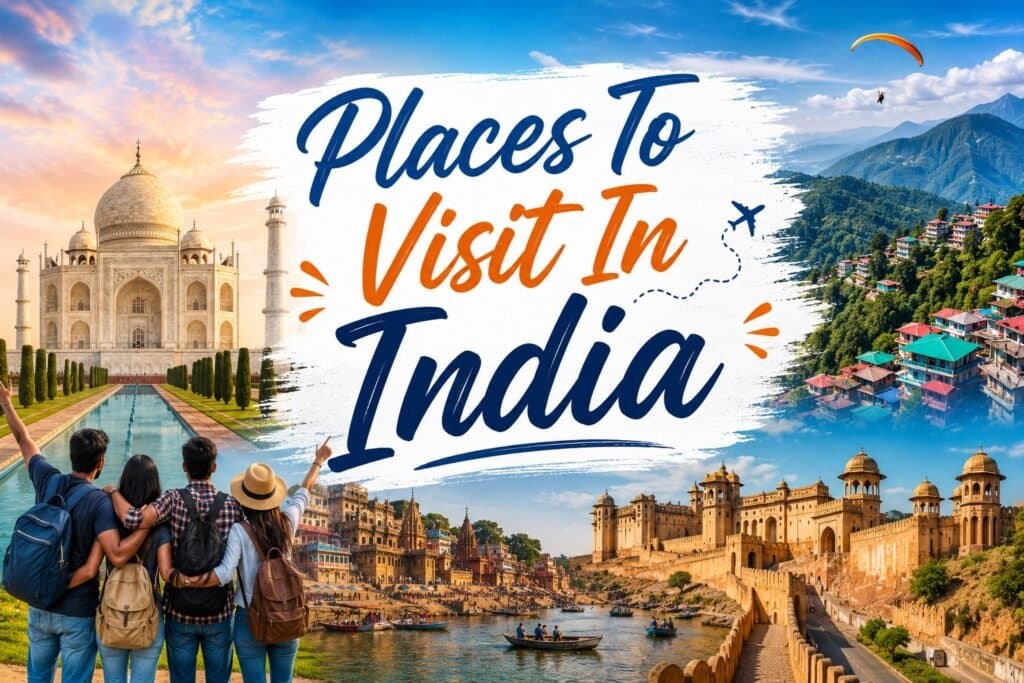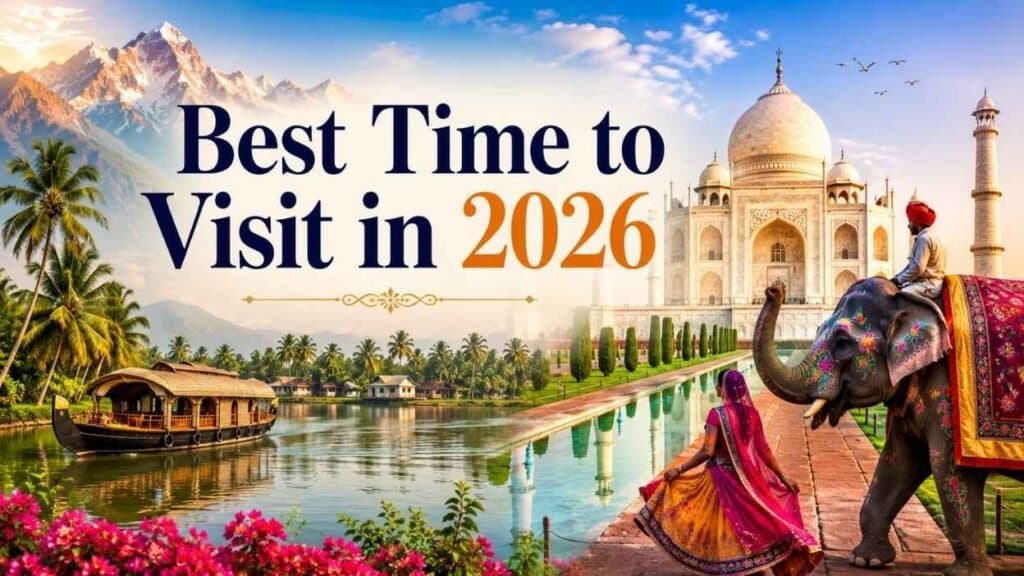
India is one of the most diverse travel destinations in the world, like literally. You can go from the snow covered peaks in the Himalayas, or wander through the golden deserts of Rajasthan, then somehow end up by the tropical beaches of Goa and Kerala. Each region brings its own kind of vibe, and it feels different enough that you notice it right away. So because of all that variety there really isnt one single “best time” to visit India. What season is best depends on where you plan to land, and also what kinds of experiences you are trying to savor, enjoy.
In 2026, India is expected to stay one of the most popular tourist destinations in the world, drawing travelers who are looking for cultural heritage , spiritual experiences, wildlife adventures, mountain escapes and beach vacations. Knowing how India’s travel seasons work can really help you dodge extreme weather , spend less money , and get more out of the whole trip.
This guide sort of explores India’s big travel seasons and the best places to go in each, like which destinations make sense, what the weather is usually like, travel costs too. We also cover the major festivals and a few practical things, so you can plan your perfect Indian adventure, in 2026. It’s pretty straight forward but there’s still a lot going on if you look closely.
Understanding India’s Travel Seasons

India has three main travel seasons, and they kinda steer tourism patterns around the entire country. Depending on the timing, the visitor flow looks different, in a not so straight line way, but still you can feel the shift clearly.
Winter Season (October to March)
Winter is kind of widely thought of as the best travel time in India. During these months, temperatures feel nice in most regions, so you can do sightseeing and a bunch of outdoor activities in a more comfortable way, which honestly is a big plus.
Why Winter Is Popular
The sort of comfortable weather lets visitors drift around cities, monuments, deserts, beaches, and wildlife parks, without having to deal with the extreme heat, or heavy rainfall . It’s like everything feels easier, and you can just go, look around, wander, and such.
Popular destinations during winter include:
- Delhi
- Agra
- Jaipur
- Udaipur
- Goa
- Kerala
- Varanasi
Summer Season (April to June)
In summer, high temperatures sweep across a lot of India, especially in the central and northern areas. Yet weirdly, it’s also kind of the ideal time to go visit hill stations and those mountain destinations up in the air.
While cities like Delhi and Jaipur can become extremely hot, mountain spots stay cool and refreshing , sorta.
Best Summer Destinations
Travelers often head toward:
- Manali
- Shimla
- Leh-Ladakh
- Darjeeling
- Nainital
- Ooty
Summer is pretty great for all those adventure things, like trekking, mountain biking, and doing road trips through the Himalayas, you know kind of wandering around. It feels a bit more vivid then, and you get this itch for the outdoors, even if the planning is a little rushy sometimes.
Monsoon Season (July to September)
The monsoon sort of turns India into this lush , green paradise you can almost feel it everywhere. Rainfall patterns are different from region to region, so the whole place looks beautiful in its own way and you get unusual travel chances too, it’s like every road has another surprise.
Although heavy rains can sometimes mess with transportation, monsoon travel has become more and more popular for nature lovers, and for photographers too. It’s like people prefer to go out when the atmosphere feels a little different, even if the roads are a bit unpredictable , now and then.
Why Some Travelers Love Monsoon
Out in the countryside it turns vibrant and green, the waterfalls hit their peak flow, and a lot of places end up with less tourist crowds around them, somehow.
Popular monsoon destinations include:
- Kerala
- Coorg
- Munnar
- Lonavala
- Meghalaya
Best Time to Visit Different Regions of India

India’s climate shifts a lot depending on the region, and honestly it can feel kinda confusing when you plan. If you know the best travel time for each area, it helps you get the most out of your trip, like better views and fewer weather hiccups, in a really straightforward way .
North India
North India is like where some of the country’s most famous landmarks, sit together I mean, the Taj Mahal is there, and also the older historic cities of Rajasthan too. It’s kinda known for this grand blend of places and storied streets, even if you wander a little.
Recommended Months
October through March is generally the most comfortable period.
During winter, visitors can comfortably explore:
- Delhi
- Agra
- Jaipur
- Jodhpur
- Udaipur
The pleasant weather makes sightseeing much more enjoyable compared to the intense summer heat.
South India
Southern India remains attractive throughout much of the year due to its tropical climate.
Best Travel Period
November to February offers the most comfortable weather.
Visitors can enjoy:
- Beaches
- Backwaters
- Wildlife reserves
- Tea plantations
- Cultural heritage sites
Popular destinations include:
- Kerala
- Tamil Nadu
- Karnataka
- Goa
Himalayan Region
The Himalayan states offer dramatically different travel seasons compared to the rest of India.
Ideal Months
May through September is generally considered the best period for mountain tourism.
Popular destinations include:
- Manali
- Leh
- Shimla
- Gangtok
Snowfall, trekking opportunities, and scenic landscapes attract travelers throughout the year depending on their interests.
Month-by-Month Travel Guide for India in 2026

The following table provides a quick overview of the best travel opportunities throughout the year.
| Month | Best Destinations | Travel Experience |
|---|---|---|
| January | Rajasthan, Goa, Kerala | Cool and pleasant |
| February | Agra, Delhi, Varanasi | Excellent sightseeing |
| March | Jaipur, Udaipur, Rishikesh | Comfortable weather |
| April | Shimla, Darjeeling | Mountain escapes |
| May | Manali, Leh-Ladakh | Summer adventures |
| June | Kashmir, Himachal Pradesh | Pleasant hill weather |
| July | Kerala, Meghalaya | Monsoon beauty |
| August | Coorg, Munnar | Lush landscapes |
| September | Western Ghats | Waterfalls and greenery |
| October | Rajasthan, Delhi | Start of peak season |
| November | Goa, Kerala | Beach season begins |
| December | Entire North India | Peak tourism season |
This seasonal variation allows travelers to find suitable destinations throughout the year.
Major Festivals Worth Planning Around

India’s cultural calendar is filled with festivals that can greatly enhance a travel experience.
Winter Festivals
Winter hosts some of the country’s biggest celebrations.
Popular events include:
- Diwali (depending on the year)
- Pushkar Camel Fair
- Hornbill Festival
These events provide unique opportunities to experience local traditions and culture.
Spring and Summer Festivals
Travelers visiting during spring and early summer can experience:
- Holi
- Baisakhi
The vibrant atmosphere attracts both domestic and international visitors.
Monsoon Festivals
Monsoon months feature numerous regional celebrations that showcase India’s cultural diversity.
These events often include:
- Traditional music
- Dance performances
- Local cuisine
- Religious ceremonies
Planning around festivals can add unforgettable experiences to your trip.
Budget vs Peak Travel Seasons

Understanding tourist demand can help travelers save money while enjoying favorable weather.
Peak Season
The busiest period generally runs from October to March.
Advantages
Pleasant weather, vibrant festivals, and ideal sightseeing conditions make this the most popular time to visit.
Disadvantages
Higher prices for:
- Hotels
- Flights
- Tourist attractions
- Transportation
Advance booking is highly recommended.
Shoulder Season
The months of April, May, and September often offer a balance between affordability and good travel conditions.
Travelers can enjoy:
- Lower accommodation rates
- Fewer crowds
- Better availability
This period is particularly attractive for budget-conscious visitors.
Off-Season Travel
Monsoon months often provide the lowest travel costs.
Hotels and tour operators frequently offer discounts, making luxury experiences more affordable.
However, travelers should remain flexible due to weather-related disruptions.
Travel Tips for Visiting India in 2026

Successful travel in India often depends on planning according to regional weather conditions.
Pack According to Your Destination
India’s climate varies significantly.
A winter trip to Rajasthan requires different clothing than a summer trek in the Himalayas or a monsoon vacation in Kerala.
Research local weather before departure.
Book Popular Destinations Early
Major tourist destinations can fill quickly during peak season.
Advance bookings help secure:
- Better hotel options
- Lower prices
- Preferred transportation schedules
This is especially important during festivals and holiday periods.
Stay Hydrated and Protect Yourself From the Sun
Summer temperatures can exceed 40°C in some regions.
Travelers should:
- Carry water
- Wear sunscreen
- Use hats and sunglasses
- Plan outdoor activities during cooler hours
These simple precautions can improve comfort significantly.
Top Places to Visit in India During 2026

Several destinations are expected to remain particularly popular among travelers.
Cultural Destinations
Must-visit cultural attractions include:
- Taj Mahal
- Amber Fort
- Qutub Minar
These landmarks showcase India’s rich heritage and history.
Nature Destinations
Travelers seeking natural beauty should consider:
- Munnar
- Leh
- Shillong
These regions offer stunning landscapes and outdoor adventures.
Beach Destinations
Popular beach destinations include:
- Goa
- Gokarna
- Kovalam
These locations attract travelers looking for relaxation and coastal experiences.
Final Thoughts

India gives pretty incredible trip experiences all year, but picking the right season can really change things up, a lot. Winter stays the most popular time, mainly because the weather is nice across many regions, and it feels calmer overall. Meanwhile summer is ideal for Himalayan outings, like trekking or going higher up. Then monsoon arrives and somehow makes everything go lush green, it can be literally breathtaking, with those wet landscapes and cooler air.
The best time to visit India in 2026, kind of really depends on what you care about , where you want to go and also your travel budget. If you’re exploring historic cities, or maybe you prefer those warm tropical beaches, or trekking in the mountains, or even just catching colorful festivals then India still has something quite remarkable in every season. It’s like there’s always a good window, even if the vibe changes year to year, and honestly it makes sense.
If you plan it properly , and really get the regional climates, your 2026 getaway could turn into this unforgettable trip through one of the world most diverse and fascinating destinations, kind of like a hidden route that you don’t forget.
Frequently Asked Questions (FAQs)
1. What is the best overall time to visit India?
October to March is generally considered the best time due to pleasant weather across most regions.
2. Which month is cheapest for travel in India?
July and August often offer lower hotel and flight prices because of the monsoon season.
3. Is India good to visit during monsoon?
Yes, destinations like Kerala, Meghalaya, Coorg, and Munnar are especially beautiful during monsoon.
4. When should I visit the Himalayas?
May to September is typically the best period for mountain tourism and trekking.
5. What is the hottest month in India?
May is usually the hottest month in many parts of the country.
6. Which season is best for Goa?
November to February offers the most pleasant beach weather.
7. How far in advance should I book for peak season?
Booking flights and hotels 2–4 months in advance is recommended for popular destinations during winter.