You see adventure travel booking deals all the time, yet finding one that truly lowers your cost on the trip you have in mind is not so simple. You might want glacier ice in New Zealand or a desert safari in Dubai.
Still, prices show up in odd ways. There are flash sales, package deals, and price lists that feel made to trip you up. So booking a canyoning trip in Bali can start to feel like you need extra training, just to click the right option.
Quick answer: The best adventure travel deals often show up when you plan ahead. For harder trips or trips outside your country, try booking about three to six months early. Aim for shoulder season too, since prices can be steadier then. Also, check more than one operator before you decide. Below is a clear look at how to do this in practice.
There is also a lot to feel hopeful about. Adventure trips are growing fast in the travel world. Some analysts put the world market at about $430 billion to more than $600 billion in 2025.
That estimate depends on what they count as “adventure” travel. The Adventure Travel Trade Association, though, uses a broader view. In its own work, it places the larger market at over $1 trillion.
No matter which number you start with, the outcome stays the same. When growth goes up, more operators chase your attention. That leads to more actual holiday deals getting in front of travelers who already know where to find them.
Why International Trips Are Getting More Adventurous

In 2026, the adventure traveler looks a bit different than before. The newest report from the Adventure Travel Trade Association says hiking, trekking, and walking are still the most common adventure activities worldwide. At the same time, food and gastronomy experiences have moved into the top five.
More people are not just hunting for extreme thrills like they did years ago. Many want a trip that teaches them along the way, serves great meals, and leaves the place they visit in better shape than they found it.
People do not always notice this part, but it counts a lot. For many trips, about three quarters of the money paid by visitors gets used close to home. During one adventure, a traveller typically puts about $190 to $260 toward small items like crafts and souvenirs. So booking well isn’t just about scoring yourself a better rate. It’s putting real money into the communities you’re passing through.
For context on what people are actually paying, ATTA’s research puts the median adventure itinerary at around $2,250 for seven nights, with average trip fill rates sitting near 64%. That second number is quietly useful: it means there’s genuine unsold capacity out there, which is exactly where real last-minute deals come from.
There’s a broader shift happening too. Off-peak travel windows, rail-based journeys, lesser-known destinations, and multi-generational family adventures are all on the rise. If you’ve been eyeing a shoulder-season trip instead of fighting the usual peak-summer crowds, the data backs you up.
What Actually Counts as a Good Deal

Not every discount is a real discount, and this is where a lot of people get burned.
TickYourList run seasonal sales, while smaller boutique operators tend to advertise more modest last-minute savings, closer to 15%. But the percentage on its own tells you very little.
A genuine deal on travel packages usually has a few things in common:
- The price includes what normally gets tacked on later — transfers, entry tickets, gear rental
- The operator is upfront about what isn’t covered
- The discount reflects an actual seasonal or demand shift rather than a price inflated just to be slashed
- Cancellation terms are spelled out clearly before you hand over any money
We’ve all seen the version where “50% off” turns out to be 50% off a price nobody ever actually paid. A trustworthy adventure travel booking deal is one where the maths still holds up after you’ve added everything in, not before.
When to Book, by Destination and Season

Small changes in timing can change the whole trip. It also depends on the place and the kind of days you want.
For Nepal, many people get a better deal if they book for April or late September. It tends to be less packed, and the paths can feel easier to follow.
In New Zealand, October usually feels calmer. Hiking and kayaking packages often cost less then, compared with the busy months.
Iceland works in a similar way. May and September often bring cheaper glacier and ice cave tours than the high season from June through August.
| Adventure Type | Best Time to Book | Ideal Travel Season | Typical Savings |
| Trekking and hiking (Nepal, Peru) | 3 to 4 months ahead | April or late September | 15 to 25% |
| Diving and marine adventures | 2 to 3 months ahead | Local dry season | 10 to 20% |
| Safari and wildlife tours (Africa) | 4 to 6 months ahead | Just before peak season | 20 to 30% |
| Glacier and skydiving (New Zealand) | 2 to 3 months ahead | October to November, or March | 10 to 20% |
| Desert and adrenaline (Dubai) | 4 to 8 weeks ahead | Weekdays, off-peak hours | 10 to 15% |
| Multi-country adventure packages | 5 to 6 months ahead | Off-season shoulder months | 25 to 35% |
If you want a simple rule, here it is. The more stops a trip has, the sooner you should book it. A one day desert trip still gives you some wiggle room. But a plan that spans three countries, with flights that connect and different tour providers, is another story. If you wait too long, it is easy for the whole thing to fall apart.
Two Adventures Worth Planning a Trip Around

Most adventure content stays abstract. These two are worth naming, because they’re the kind of thing people organise an entire route around.
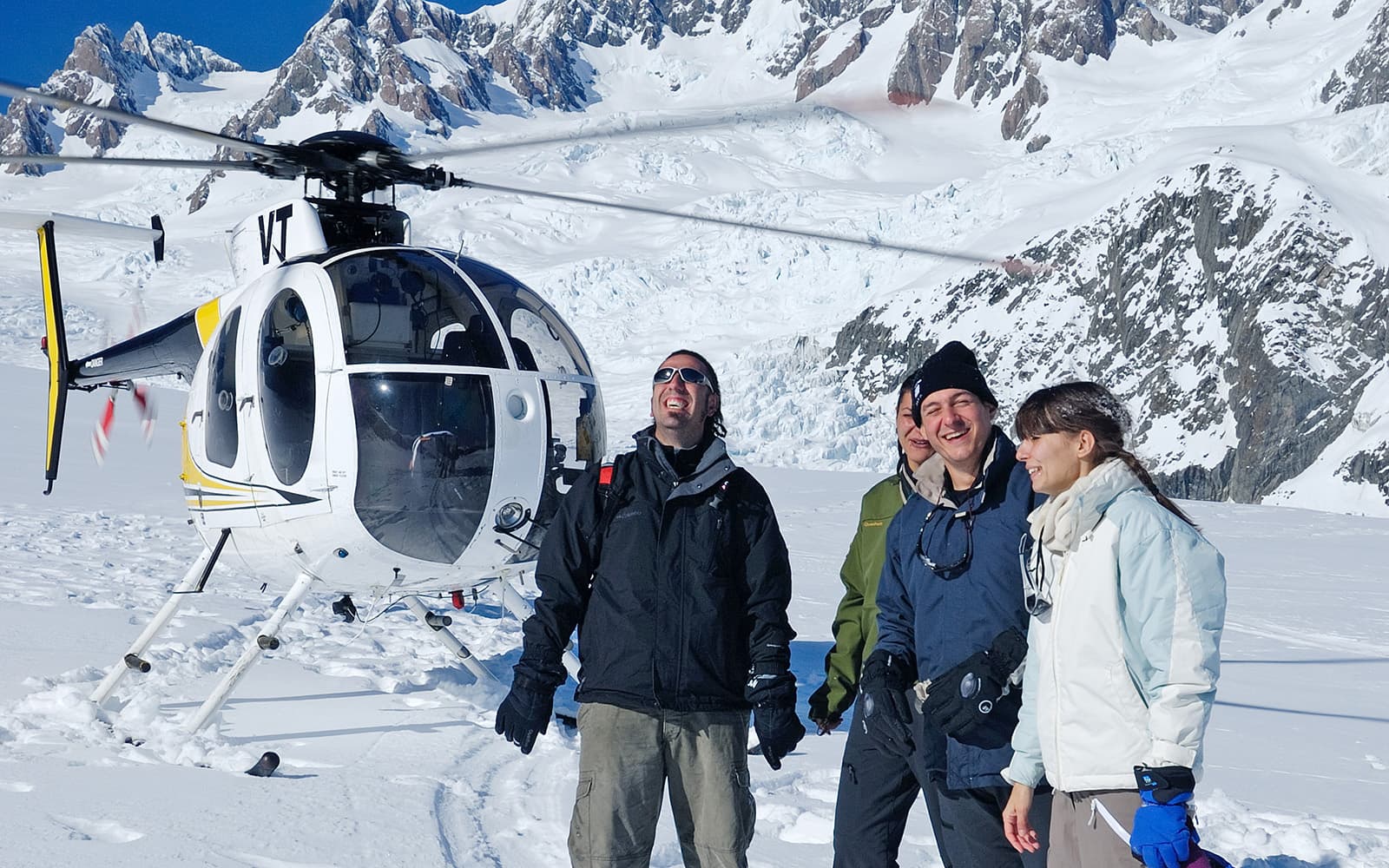
Glacier ice climbing on New Zealand’s West Coast. A heli ice climbing experience on Fox Glacier gets you onto ice most people only see from a viewing spot. You fly in by helicopter, then you climb, and you fly out. Bad weather calls the shots more than schedules do. Plan for a backup day in your West Coast travel, and do not lock it in for your final morning.
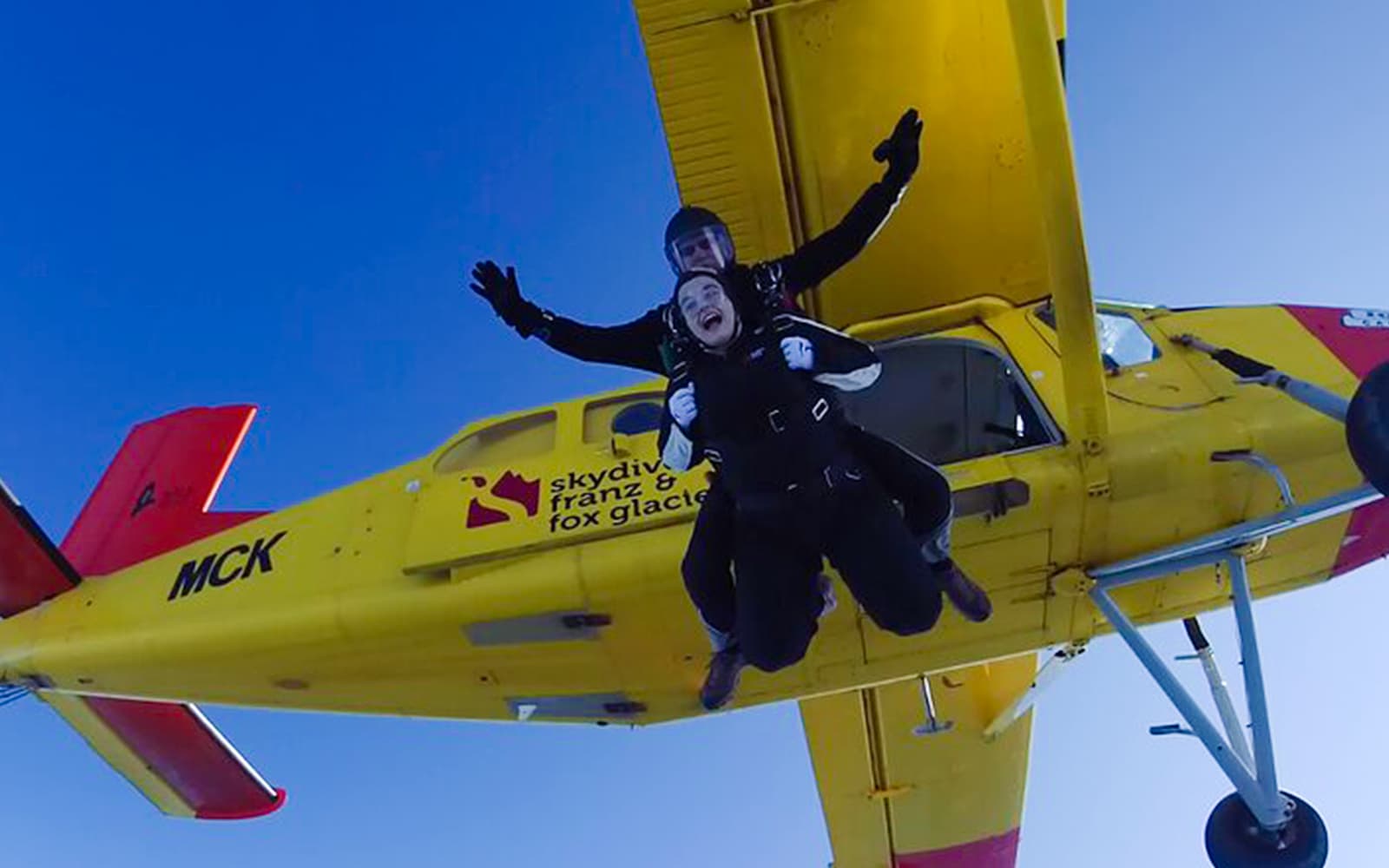
Skydiving over Franz Josef.Franz Josef tandem skydive happen at different heights. You look out and you get it right away. On one side you see big ice fields, on the other you see the Tasman Sea. If you go higher, you drop for longer before the chute opens. The top jump is one of the highest you can do in New Zealand.