Top Things to Do in Chinatown Kuala Lumpur for Tourists
Chinatown Kuala Lumpur is maybe one of the most colourful, lively a nd culturally rich spots in Malaysia is capital. For tourists, it’s a perfect place to try a blend...
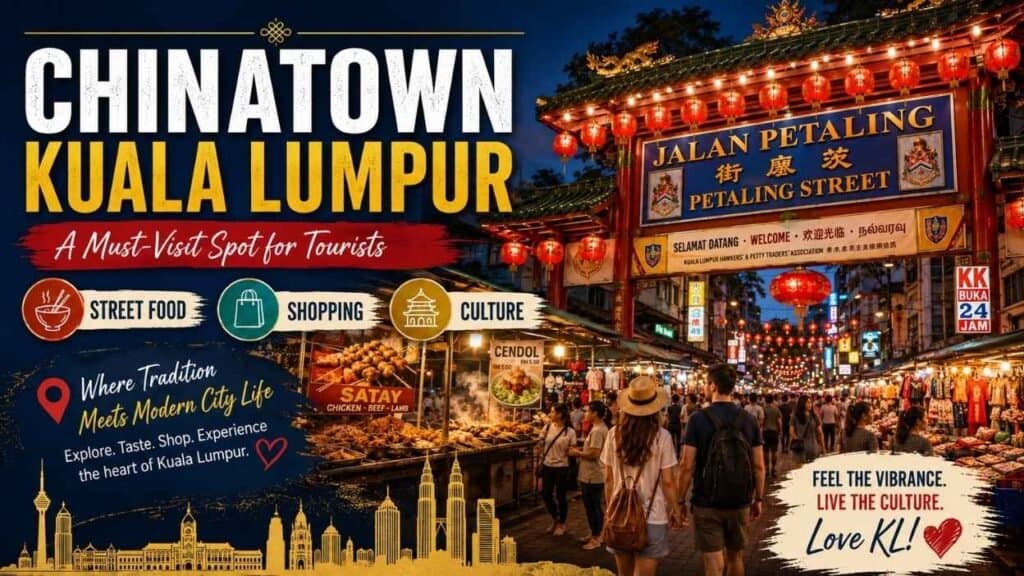
Chinatown Kuala Lumpur is maybe one of the most colourful, lively a nd culturally rich spots in Malaysia is capital. For tourists, it’s a perfect place to try a blend of history, street snacks, shopping, temples, old shophouses, local markets, a few tucked away cafes , and the traditional Malaysian-Chinese culture too. It’s around the well known Petaling Street area, so Chinatown is not just a shopping street, or only that. It kinda feels like a full travel experience where each turn, has something interesting to look at, even if you just walked there for a short moment.
Lots of people show up here for deals and bites, but Chinatown Kuala Lumpur is kinda more than that, you know. You can wander around old heritage buildings, pop into beautiful temples, taste local dishes, catch a bit of street photography, and even look for those creative cafes. Plus, you’ll be walking through one of the earliest sections of the city, which feels kind of special. The neat thing is that a good number of places are nearby, so most visitors can roam the neighborhood on foot without needing too much transport, or so it seems.
If you’re visiting Kuala Lumpur the very first time, Chinatown should really be high on your list. It kinda gives you that genuine taste of the city’s culture, its past, and everyday local rhythm, you know. In this guide, we’ll walk through the best things to do around Chinatown Kuala Lumpur for visitors, plus a few handy tips so you can plan a smoother trip, with less fuss.
1. Explore Petaling Street Market
Petaling Street is kinda the heart of Chinatown Kuala Lumpur, and honestly it’s one of the most liked places for tourists. This bustling street market, is packed with stalls that sell everything from outfits, bags, watches, souvenirs, accessories, snacks, and even local bits. It feels colorful, high-energy, and it’s never really still, there’s always some kind of motion.
For tourists, Petaling Street isnt just about shopping or anything like that. It s also kinda about soaking in the atmosphere, like letting the place do its thing. You notice the bright signs, narrow walking lanes , little food stalls, local vendors, and yes people who come from different corners of the world. The whole market has a really strong street culture, and that energy makes it one of the most photographed spots in Kuala Lumpur, over and over again.
If you like hunting for deals, this place is kinda perfect to test your negotiation ability, you know. Most of the prices feel adjustable, in particular for souvenirs and those fashion pieces. Still, it’s usually smarter to bargain in a polite way. Go ahead, smile a bit , ask for the best possible price, then check around a few stalls before you actually buy anything.
Petaling Street is also kind of a solid spot for getting simple travel gifts. You can pick up key chains, magnets, T shirts, bags, little decorative items, and local snacks too. Even if you do not really plan to shop, wandering through the market still makes sense because it gives you a more authentic sense, of Chinatown’s energy, like you’re right in it.
Travel Tip: Visit in the late afternoon or evening when the market becomes more lively and the weather is usually more comfortable for walking.
2. Visit Sri Maha Mariamman Temple
One of those really beautiful cultural spots that feel near Chinatown is Sri Maha Mariamman Temple. It’s one of Kuala Lumpur’s oldest Hindu temples and people always mention how its colourful entrance tower looks, plus the really detailed carvings, and for some reason the whole place feels calm, like quietly balanced. The temple itself sits pretty close to Petaling Street so it’s convenient, you can just slip it into your Chinatown walking tour without much hassle, or you know take a little detour there.
For tourists, this temple is really a great place to understand Kuala Lumpur’s multicultural identity a bit better. Chinatown is mostly famous for Chinese heritage, though this temple kinda shows how various communities, have lived close together for many years. The detailed artwork, statues, and the traditional design make it a wonderful stop for culture lovers and photographers as well, kind of.
When you’re visiting the temple, dress in a way that’s respectful. You’ll have to take off your shoes before stepping inside, kind of obviously but still worth saying. If you plan on taking photos, do it with care , don’t interrupt or disturb the worshippers around you. Also keep in mind the temple is still in use , it is an active place of prayer not only a tourist stop.
This temple adds kind of a spiritual ,and cultural layer to your Chinatown adventure. After the noise and energetic rush on Petaling Street the place feels a bit calm, meaningful, like you can breathe.
3. Discover Guan Di Temple
Another important place to stop by in Chinatown Kuala Lumpur is Guan Di Temple. This Chinese shrine is dedicated to Guan Yu , who is known as a respected figure for loyalty and valor . If you go in, you’ll notice the temple has a traditional red exterior, then there are beautiful ornaments, and inside it feels incense -filled with a pretty strong cultural vibe. Overall, it’s one of those places that just makes you slow down for a moment.
Tourists who like heritage and religious places , they will probably find this temple really interesting. It kind of offers a quick look into the spiritual side of the Chinese community in Kuala Lumpur. When you step inside, you can spot worshippers lighting incense , traditional altar pieces and symbolic decorations, hanging around like small reminders.
The temple is pretty close to other Chinatown attractions, so you can stop by on a short walking route, kinda easily. You might not spend a lot of time wandering around , but it still feels worth the visit, because it gives more depth to the whole Chinatown experience.
When you’re visiting, try to stay quiet and act respectful, don’t just wander around. Make sure you don’t block prayer areas , and keep an eye on where people are moving. Also while you’re taking photos be mindful, because this is a working temple, not simply some sightseeing place.
4. Try Local Street Food
Food is one of the biggest reasons tourists really love Chinatown Kuala Lumpur , I mean it’s not just a vibe. The area is full of food stalls, traditional eateries, sweet dessert shops and even small restaurants. If you want to taste those local flavours, Chinatown is one of the better places to start, like today.
You can try stuff like noodles, roasted meats, dumplings, satay, curry laksa, wantan mee, claypot rice, and local sweets. There are also loads of drinks plus little snacks floating around those market streets, you know. A few food shops have been running for many years, and they get a lot of love from locals, and yes also from tourists.
Street food in Chinatown is not only about eating, it’s more like you hang around and watch how the food gets made, you catch different spices in your nose, then you hear the market sounds rolling all the time, and yeah you kinda vibe with that hectic local atmosphere. For lots of travellers, this turns into one of the best remembered bits, of their Kuala Lumpur stay.
If you arent fully sure what to eat, just look around for spots with local crowds. When the food stalls are packed , it usually means people really like what’s there and the meals move along fast. You can also begin with small portions from different places, like a tasting run, so you can sample more dishes without getting stuck with one choice too early.
Best food experience idea: Do a self-guided food walk. Start with snacks, then try a noodle dish, then finish with a local dessert or drink.
5. Walk Around Kwai Chai Hong
Kwai Chai Hong is one of those really charming bits close to Chinatown, you know. It’s famous for restored older shophouses, murals, lanterns, tiny lanes, some cafes, and this kind of nostalgic feel that hangs around even when you just walk past. The name is often tied to memories of old Kuala Lumpur, and the whole place has now turned quite the hotspot for tourists, photographers, plus social media visitors too.
This area is really perfect if you like heritage streets and creative photo spots, kind of. The murals they tell stories of the past, and the restored buildings give the whole place this nice old meets modern vibe, it feels a little calmer too. Overall, it’s quieter and more artistic than the busy Petaling Street market, which is more hectic, and yeah, you notice it.
Kwai Chai Hong is kinda especially enjoyable in the morning, or late afternoon, when the lighting seems better for photos . You can walk slow , take in the little details, then capture a few pics , and after that just sit at a nearby cafe, sort of decompress. It feels like a peaceful pause, really.
For tourists, this is kind of one of the best places to see how Chinatown is changing, like for real. It keeps that old charm and yet, adds newer little modern cafes, plus art, and even lifestyle spaces.
6. Visit Central Market
Central Market is kinda located near Chinatown, and honestly it’s one of the best spots to grab Malaysian arts and crafts, souvenirs, textiles, and those cultural items too. It feels a bit more orderly than the street markets, so you get a nicer indoor shopping experience, not just the usual busy walking around, and that sort of thing.
Tourists looking for “top notch” souvenirs should go to Central Market , it’s like the place you stumble into and then suddenly you’re carrying stuff. There you can spot batik pieces, handmade crafts, paintings, traditional items, local snacks , accessories and a few nice gifts too. And honestly it also works as a learning spot, you can get a clearer feel for Malaysia’s diverse cultures , since products from different communities are all available, under one roof.
Central Market is especially handy for travellers who wanna shop without too much bargaining, there prices usually stay more or less set compared to Petaling Street. Also the atmosphere feels easier to wander through, so it is less stressful and more smooth overall.
There are also smaller food stalls and cultural places, inside or sort of nearby, so you could spend a quiet hour or two, here. It’s, as the name suggests, pretty easy to do, because it sits not too far on foot from Chinatown, so it fits well into a half day plan.
7. Enjoy Coffee and Cafes in Chinatown
Chinatown Kuala Lumpur s, has kinda become a popular cafe kind of area in the recent years. A lot of old shophouses have turned into stylish cafes, bakeries, restaurants, and even creative spaces, so it feels a bit like heritage and modern lifestyle, mixed together. Tourists seem to really like the whole vibe, because it’s a nice variety, not just one thing.
After walking around the market and the temples, then stopping at a cafe is a really good way to just unwind a bit. A lot of cafes have this lovely interiors, with old architectural details and a calm, steady atmosphere, it feels like it slows you down. Some places even serve local inspired drinks and sweet treats, plus brunch menus, and of course specialty coffee—like the kind with a deeper aroma than you expect.
This side of Chinatown feels right for travellers who like a slower kind of moving around . You don’t really have to sprint from one attraction to the next, you can just take a seat, have a drink, and watch the everyday surroundings in a more calm way. A lot of the little cafes too are great for photos since they mix vintage walls, wooden furniture, lots of green plants , and that warm sort of lighting.
For digital nomads or travellers who like to take a break, Chinatown cafe stops are kind of comfortable, during the day. It’s a little pause, like you can breathe, before moving on again.
8. Take a Heritage Walking Tour
One of the best ways to enjoy Chinatown Kuala Lumpur is go by foot, really. The zone has a lot of tight alleys, old buildings, temples, markets, and those sort of tucked away corners that are nicer explored on foot, not by car or whatever. A heritage walking tour it helps tourists get the story behind the place, not just look at the surface.
You can either tag along on a guided walking tour, or go ahead and make up your own route, sort of. A easy path might hit Petaling Street , Sri Maha Mariamman Temple, Guan Di Temple, Kwai Chai Hong, then the Central Market and, a few nearby heritage buildings too.
When you’re walking, try to watch the old shophouses, because some of them look kind of special. A lot show unique architecture and bright windows, plus those decorative bits that you don’t really see everywhere. There are also traditional signboards, sometimes slightly faded or with odd lettering. In a way, these places tell the story about Kuala Lumpur’s early trade life , not just one or two things, but the whole vibe of it.
A walking tour is kinda useful too, since Chinatown is compact and you can do a lot without rushing. There is no need to waste too much money on transport either. Just wear comfortable shoes, carry some water with you,and take your time.
9. Visit Nearby Merdeka 118 Area
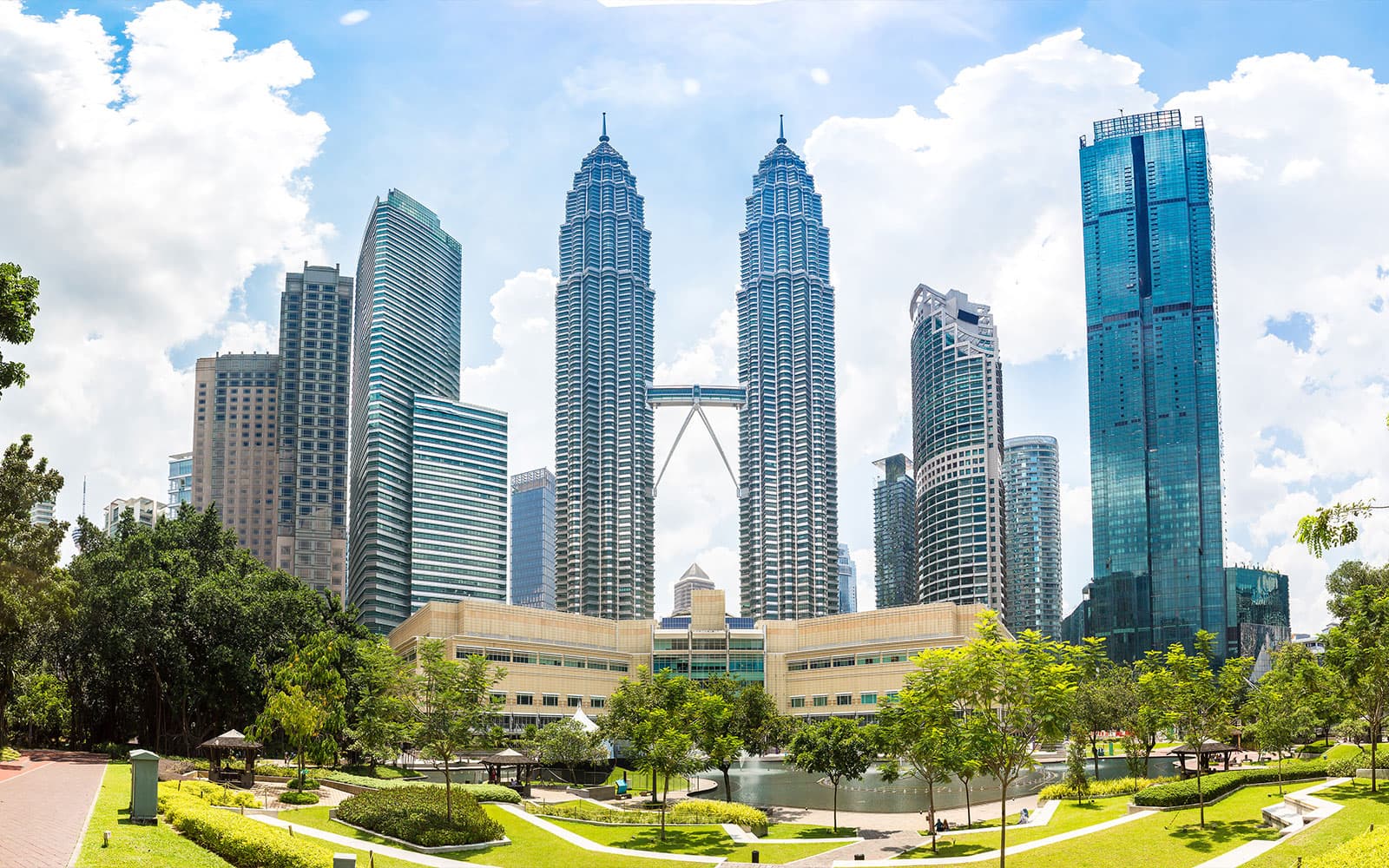
Merdeka 118, one of the most noticeable modern landmarks in Kuala Lumpur, sit near the Chinatown area. While Chinatown shows the older cultural side of the city, Merdeka 118 kind a represents the modern Kuala Lumpur. If you can see both in one visit, tourists gets an interesting contrast, it feels kind of like past and future in one place.
You can view the tower from different points, around Chinatown and the nearby streets too. It makes a real good background for city photography , especially when old shophouses and modern skyscrapers sort of show up in the same frame.
This contrast, is one of the things that makes Kuala Lumpur special, really. The city does not feel like one single style, at all. It mixes old market lanes and shrines, colonial buildings, and then those modern skyward towers , plus malls, with street culture kinda running through it all, together.
For visitors who enjoy photography, the streets around Chinatown can offer some amazing city shots.
10. Shop for Souvenirs and Local Gifts
Chinatown is one of those better spots in Kuala Lumpur for souvenir shopping, honestly, you can browse there and stumble on lots of things, it feels kinda easy. If you’re looking for cheaper keepsakes or more traditional merchandise, there are tons of choices drifting around Petaling Street, and also Central Market.
You can find those popular souvenir stuff like magnets, keychains, tote bags ,T-shirts, plus Malaysian snacks, tea, little decor pieces, crafts, batik products, and even handmade accessories. For Petaling Street it feels more suited to budget buys, where as Central Market is better for art things, arts and crafts, and cultural gifts.
When you shop around , try to compare prices , and at the same time look closely at how good the product seems. If what you are getting is fragile or easily damaged, tell the seller to pack it properly, like with enough padding. When you buy food items , don’t forget to check the expiry date and also inspect the wrapping and seals.
Souvenir shopping in Chinatown is actually fun, because you can mix it up with food, some quick sightseeing and a few cultural stops all at once. It’s not like shopping in a mall or anything. It kinda feels more local and interactive, like you’re part of it instead of just walking past stalls.
11. Enjoy Chinatown at Night
Chinatown feels more atmospheric in the evening, like it flips into a different mode or so. The lights, food stalls, the market energy and all that street activity make the area seem kind of not the same as during the day. If you like night markets , and doing city walks, then stopping by Chinatown after sunset is a really good idea.
Petaling Street gets especially lively at night, you know. When the market lights click on, the food stalls get busier, and the whole place starts feel more energetic, like it’s humming. It’s a good time for having dinner, grabbing souvenirs, and taking photos too.
Still, in any lively tourist zone, just keep your belongings on lock, you know. Prefer a crossbody bag, or at least make sure your wallet and phone stay secure and not easy to snatch. Try not to lug around too much cash, and keep a steady eye on what’s around you.
Nighttime Chinatown feels great for tourists who want a kinda lively local experience, without having to go to a nightclub or mall. It’s casual, colourful and there is lots of street life around.
12. Take Street Photography
Chinatown Kuala Lumpur it’s a pretty great spot for street photography, like you can roam around and catch market scenes and temple details, murals, old shophouses, food stalls, and also those more modern buildings. Honestly it’s not only one kind of subject, it’s a whole mix—so you’re always seeing something new to frame, even when it feels a bit busy out there.
Photographers usually enjoy the blend of colours , textures, motion and culture, it feels kind of alive. Petaling Street is more about lively market shots, crowded alleys, quick scenes, and that rush, while Kwai Chai Hong seems to lean into artistic and heritage-style photos. Temples are great for catching architectural angles and cultural detail, whereas food stalls give you the everyday local life, the small ordinary moments you’d otherwise miss.
For better photos, go early morning, for quieter streets, or late afternoon for warmer light. In the evening as well, it works great for neon signs, and market lights.
Be respectful while photographing people, especially vendors, and worshippers. If you want close up portraits, ask permission first, before you press the shutter. Sometimes it helps to say it kindly, and wait for a clear yes .
Suggested One-Day Chinatown Kuala Lumpur Itinerary
If you want to explore Chinatown properly, here is a simple itinerary:
Morning: Start with a heritage walk around old streets and visit Sri Maha Mariamman Temple and Guan Di Temple.
Late Morning: Explore Kwai Chai Hong and take photos of murals and restored shophouses.
Lunch: Try local food around Petaling Street or nearby traditional eateries.
Afternoon: Visit Central Market for souvenirs and crafts.
Evening: Return to Petaling Street Market for shopping, street food, and night market atmosphere.
This itinerary is easy for first-time visitors and covers culture, food, shopping, and photography.
Best Time to Visit Chinatown Kuala Lumpur
The best time to go to Chinatown sort of depends on the experience you’re after. If you like calmer sidewalks and better photography, the morning works pretty well. But if you want that lively market vibe , shopping, and tasty street food, late afternoon into evening tends to be the better option.
Kuala Lumpur usually feels hot and humid, so it’s best to wear light clothing , and maybe slip into comfortable shoes, too. Try carrying water always and take small breaks at cafes when you feel tired or just need a pause. And if rain is expected, then bring a small umbrella, since the sky can shift pretty quickly, like all of a sudden .
On weekdays things are often more comfortable than on weekends, simply because tourist spots tend to be less crowded , in general. Still, weekends can feel more lively if you like that busy market energy, where everything is going on at once and you kind of get pulled into it.
Travel Tips for Tourists Visiting Chinatown Kuala Lumpur
Here are some useful tips to make your Chinatown visit better:
Use public transport if possible, as traffic and parking can be difficult in busy areas. The Pasar Seni station is close to Chinatown and is convenient for many visitors.
Wear comfortable shoes because Chinatown is best explored on foot.
Carry some cash because small stalls may not always accept cards.
Bargain politely at street markets, but do not argue aggressively.
Keep your phone and wallet safe in crowded areas.
Dress respectfully when visiting temples.
Try food from busy stalls, but choose places that look clean and fresh.
Visit both Petaling Street and Central Market because both offer different shopping experiences.
Do not rush. Chinatown is best enjoyed slowly.
Why Chinatown Kuala Lumpur Is Worth Visiting
Chinatown Kuala Lumpur is kinda worth a visit ,because it gives tourists this whole local vibe in just one compact place. You can shop , eat, check out culture and wander around, pop into temples, take photos, also chill in cafes, and even pick up stuff about the city’s history.
It is also one of the best places to understand how Kuala Lumpur sort of blends different cultures. Within a short walk, you can spot Chinese temples , Hindu temples, old shophouses , street markets, modern cafes and nearby skyscrapers. This mix makes Chinatown feel different from most other tourist zones , you know.
For first-time visitors, this is a pretty easy and affordable place to explore. You really do not need a big budget, to enjoy Chinatown. Just walking around, taking photos, savoring street food, and dropping by temples, can already give you a memorable experience.
Conclusion
Chinatown Kuala Lumpur is one of those best places for travellers who want to see the real character of the city up close. It feels colourful, historic, busy, cultural, and just full of flavour, you know. From the famous Petaling Street Market to lovely temples , street food , heritage lanes, little cafes and souvenir shops, there’s plenty to do in Chinatown Kuala Lumpur for every type of person. You can wander slowly, snack here and there, and soak up that atmosphere that is kinda unique in the area, really.
Whether you’re popping in for a few hours, or thinking of doing a full day walk, Chinatown can quickly turn into one of the top highlights of your Kuala Lumpur trip. Just bring comfortable shoes , an open mind and enough appetite. You’ll stumble upon culture food history shopping and the daily city rhythm all in one area.
FAQs
1. What is Chinatown Kuala Lumpur famous for?
Chinatown Kuala Lumpur is famous for Petaling Street Market, street food, temples, old shophouses, souvenir shopping, cafes, and cultural heritage.
2. Is Chinatown Kuala Lumpur worth visiting?
Yes, Chinatown is worth visiting because it offers a mix of food, shopping, culture, history, and local street life in one walkable area.
3. What is the best time to visit Chinatown Kuala Lumpur?
Late afternoon and evening are great for market shopping and street food. Morning is better for photography and a quieter heritage walk.
4. Can tourists walk around Chinatown Kuala Lumpur?
Yes, Chinatown is very walkable. Many main attractions are close to each other, including Petaling Street, temples, Central Market, and Kwai Chai Hong.
5. What should I buy in Chinatown Kuala Lumpur?
You can buy souvenirs, T-shirts, bags, keychains, local snacks, batik products, crafts, magnets, and small gifts.
6. Is Chinatown Kuala Lumpur good for food?
Yes, Chinatown is one of the best areas in Kuala Lumpur to try local street food, traditional eateries, snacks, desserts, and drinks.
7. How much time do I need in Chinatown Kuala Lumpur?
You can explore the main attractions in 2 to 3 hours, but a half-day visit is better if you want to enjoy food, shopping, temples, and cafes properly.