Most visitors land in Istanbul with a fixed palace checklist: Topkapi first, Dolmabahçe next, and then maybe a baklava break that becomes “research.” Fair enough. The Beylerbeyi Palace shows visitors an alternate historical perspective...
Most visitors land in Istanbul with a fixed palace checklist: Topkapi first, Dolmabahçe next, and then maybe a baklava break that becomes “research.” Fair enough. The Beylerbeyi Palace shows visitors an alternate historical perspective of Istanbul.
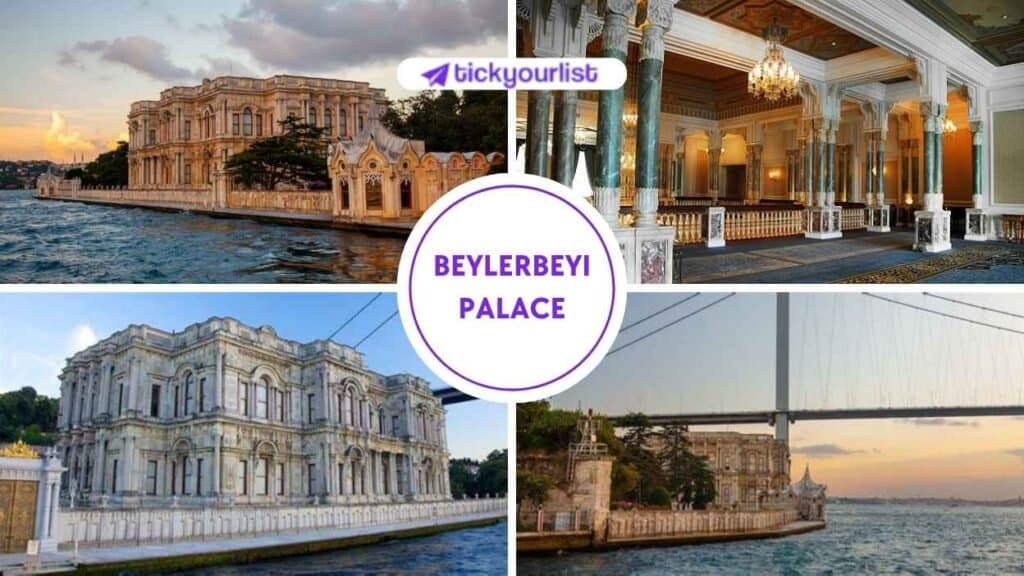
The structure remains silent. The structure does not make an effort to exceed the height of every building within the cityscape. The structure stands on the Bosphorus’s Asian boundary in Beylerbeyi Üsküdar displaying a peaceful and sophisticated appearance which suggests that it possesses hidden knowledge about your presence.
Beylerbeyi Palace Istanbul lets visitors experience Ottoman luxury during times when most people visit the city’s main tourist attractions. The location combines waterfront views with historical imperial sites and natural garden scenery and local residents’ peaceful environment. The palace functioned as both a summer home and an important visitor reception area which created its royal yet approachable ambiance.
A Short History of Beylerbeyi Palace
The name Beylerbeyi goes back long before the current palace. The area received its name according to the guide from Üsküdar Municipality because Beylerbeyi Mehmet Pasha who served as governor of Rumeli during Sultan Murad III’s reign built a residence there in the late 16th century. The man built a mansion on the site which later vanished but the name continued to exist.
Sultan Mahmud II constructed the first Beylerbeyi Palace using wood as his building material. The current palace construction began after the original building was destroyed through a fire which occurred during Sultan Abdülmecid’s rule. Sultan Abdülaziz commissioned the building of the current palace which architects Sarkis Balyan and Agop Balyan constructed between 1861 and 1865.
Sultan Abdülaziz constructed the building as a summer residence which functioned as a formal space to host international guests. Beylerbeyi Palace became a venue for significant events which included numerous important visitors throughout its history. Sultan Abdülhamid II used the palace as his residence during the late Ottoman period until his death there in 1918.
The palace functions as a museum which connects to Turkey’s National Palaces. The museum provides visitors an exceptional opportunity to explore an area which used to serve three different purposes: imperial comfort and diplomatic activities and royal family activities.
Architecture: Where East Meets West Without Making It Weird
Beylerbeyi Palace looks elegant from the outside, but the real charm starts when you understand its design. The building’s exterior displays various Western architectural elements which include its symmetrical structure and circular arches and its Greek and Roman architectural features and its Baroque design elements. The display of European clothing shows the character of Istanbul through its demonstration of European fashion.
The atmosphere shifts within the building. The palace displays traditional Ottoman and Eastern design elements together with exquisite decorations and seascape artwork and military emblems and carpets and chandeliers and meticulously designed interior spaces. The design appears purposeful. The Ottoman Empire wanted to present its European knowledge through its own distinct interpretation of European customs.
The details of the palace operation system show one significant aspect of its function. Researchers discovered that the palace lacked any heating equipment which confirmed its purpose as a summer residence. The situation exists as expected. The design of the waterfront palace at Bosphorus River did not include spaces for people to stay warm during the cold January month.
The sea pavilions create additional visual attractiveness to the site. Museum With No Frontiers describes the palace as one of the most impressive Ottoman coastal palaces and highlights its two sea pavilions as striking examples of Orientalist design in Istanbul.
Beylerbeyi Palace Tunnel: The Hidden Detail Many Visitors Miss
The Beylerbeyi Palace tunnel adds a surprising twist to The story. The palace receives many visitors who appreciate the Bosphorus view take pictures in the garden and exit the premises without considering the hidden areas underneath.
The historic tunnel sits under the palace area and connects routes around Üsküdar, Beylerbeyi, and Çengelköy. The construction work started in 1829 and the tunnel opened to public use in 1832 during Sultan Mahmud II’s reign. The system created a boundary around the palace area which later became a public transportation route for the surrounding region.
The tunnel extends for approximately 230 meters and its official height measurement shows 2.90 meters. The structure underwent various transformations between 1962 and 2013 because it functioned as a transportation route and later as an exhibition space after it stopped operating. The route opened for vehicle passage during 2016 as a temporary measure to ease local traffic but it closed again afterwards to safeguard the historic structure from potential harm.
Why does this matter for visitors?
The Beylerbeyi Palace in Istanbul displays its architectural beauty through its royal furniture and its attractive rooms. The palace establishes a connection to the city through its links to transportation systems and its role in urban development and its historical ties to the Bosphorus waterfront.
Beylerbeyi Palace Entrance Fee, Hours, and Visitor Tips
The official National Palaces listing shows that Beylerbeyi Palace charges an entrance fee of 200 TL for local visitors and 800 TL for foreign visitors and 100 TL for discounted tickets and 100 TL for the garden ticket. Visitors should verify the current prices through the official ticket page because price changes occur during holiday times.
Istanbul Tourist Guides Chamber states that Beylerbeyi Palace will remain closed on Mondays with visiting hours starting at 09:00 and ending at 18:00. The ticket office opens at 09:00 and closes at 17:30.
The official visiting rules also matter. The National Palaces visitor regulations establish that most palaces and pavilions and museums which the National Palaces control, will close their doors to visitors on Mondays. The visitor hours of these locations will change according to seasonal patterns and public holiday schedules and special situations.
A few practical tips will make your visit smoother.
Go earlier in the day if you want calmer garden photos. The morning hours provide better lighting conditions for Bosphorus views which attract fewer visitors who tend to disrupt photos by their uncle who carries a tea cup.
You should take public transportation whenever it is available. Travel guides commonly suggest reaching Üsküdar by ferry or Marmaray, then continuing by bus or taxi to Beylerbeyi. The ferry ride provides you with a scenic approach which suits a palace better than your arrival through congested traffic.
You need to verify photography regulations before beginning your indoor shooting. The National Palaces regulations permit visitors to take non-flash mobile photographs inside visitor areas as long as their activities do not interrupt the experience. The outdoor areas of the site permit visitors to take non-professional photos and videos under specific conditions. Some areas will display image restrictions so you must obey staff directions.
Is Beylerbeyi Palace Worth Visiting?
You should definitely visit Beylerbeyi Palace if you want to see Istanbul in its calmer, rather elegant side.
The sites of Topkapi and Dolmabahçe still stand without any need for replacement. The sites establish a relationship where one location adds value to the other. The Topkapi Palace museum exhibits the history of imperial authority. The Dolmabahçe Palace exhibits the architectural grandeur of the late Ottoman Empire combined with European design elements. Beylerbeyi Palace presents you with a summer residence which exists on the Asian coast and functions as a space for both relaxation and formal events.
The site serves as a perfect destination for historical travelers who prefer to explore sites without experiencing the pressure of academic assessments. The activities at this location allow you to study, explore, and view the Bosphorus while you maintain enough energy for your upcoming lunch meal. The information holds significance. Sightseeing without food creates negative impressions about the experience.
Frequently Asked Questions
Where is Beylerbeyi Palace located?
It is situated in the Beylerbeyi neighborhood on the Asian side of Istanbul, right beneath the Bosphorus Bridge.
When was the palace built?
The current stone structure was commissioned by Sultan Abdülaziz and completed between 1861 and 1865.
What was the palace’s primary purpose?
It served as a summer retreat for Sultans and a prestigious guest house for visiting foreign heads of state.
Who were some famous guests?
Notable visitors include Empress Eugénie of France, Emperor Franz Joseph of Austria-Hungary, and Nasreddine Shah of Persia.
What is unique about the interior design?
The palace features original Bohemian crystal chandeliers, Hereke carpets, and unique reed matting from Egypt used for insulation.
Can you visit the gardens and pavilions?
Yes, the grounds include beautiful terraced gardens, the Marble Pavilion, and the Yellow Pavilion, offering stunning Bosphorus views.
Is the palace open to the public?
Yes, it operates as a museum; however, it is typically closed on Mondays and requires a guided tour for entry.