Melbourne is one of those cities that gets under your skin. You plan a trip, start researching, and suddenly you are two hours deep into weather forums and Reddit threads...
Melbourne is one of those cities that gets under your skin. You plan a trip, start researching, and suddenly you are two hours deep into weather forums and Reddit threads trying to figure out the best time to visit Melbourne — because apparently, nobody can give you a straight answer.
Here is the thing: they are not wrong to hesitate. Melbourne’s weather is genuinely unpredictable. Locals will tell you, with complete sincerity, that you can experience all four seasons before lunch. But unpredictable doesn’t mean unplannable.
Some times of year are genuinely better than others, depending on what you are after — and this guide will help you figure out which one that is for you.
Is Melbourne Better in Summer or Winter?
Let’s start with the question everyone actually wants answered.
Summer (December to February) is Melbourne at full volume. Festivals everywhere, rooftop bars packed, the Yarra Valley shimmering in the heat. It’s the kind of city energy that makes you feel like you are in the middle of something.
Temperatures average around 25–26°C, though heatwaves regularly push past 40°C,— so pack accordingly. The flip side: everyone else has the same idea. Crowds are real, prices are high, and getting a spontaneous table at a good restaurant becomes a minor achievement.
Winter (June to August) is a completely different city. Quieter, moodier, cheaper. The laneways feel more intimate, the café culture hits differently when it’s cold outside, and you will share popular spots with a fraction of the summer crowds. Temperatures drop to around 7–14°C — cold by Australian standards, genuinely mild by most others.
So which is better? Honestly, it depends on your travel style. If you want energy, big events, and the outdoors at its best — summer. If you want value, a slower pace, and the Melbourne that locals actually live in day-to-day — winter is surprisingly good.
Best Month to Visit Melbourne: Season by Season
Spring (September to November) — The Sweet Spot
Ask most seasoned travellers and they will tell you spring is the best month to visit Melbourne. It’s not hard to see why. Temperatures sit comfortably between 17–22°C, the city is coming out of its winter slowdown, and everything — from the gardens to the food scene — feels fresh and alive.
The Melbourne Cup runs the first Tuesday in November, which adds a festive buzz across the whole city if you are there for it. Wildlife is more active at this time of year too, which makes visits to places like the Koala Conservation Reserve on Phillip Island particularly worthwhile.
And a hot air balloon over the Yarra Valley on a clear spring morning? That’s the kind of experience that makes a trip. Crowds haven’t peaked yet and prices are still reasonable — making spring genuinely the best of both worlds for most visitors.
Summer (December to February) — High Season, High Energy
If spring is the sensible choice, summer is the exciting one. The Australian Open takes over Melbourne Park in January, outdoor cinema seasons pop up across the city, and the social energy is infectious. This is Melbourne showing off.
On a clear summer evening, a visit to the Skydeck at Eureka Tower is hard to beat — 88 floors up, the city sprawls below you and on a good day you can see well past the city limits toward the You Yangs. It’s also a welcome air-conditioned break if you’ve been out in 38-degree heat all day.
Just go in with realistic expectations. Book accommodation well ahead. Budget for higher prices. And if extreme heat is a concern for you, watch the forecast closely — Melbourne’s hottest days can be brutal.
Autumn (March to May) — The Underrated One
Autumn is quietly brilliant and doesn’t get talked about nearly enough. The temperatures are ideal — 16–22°C most days — the light turns golden, and the Dandenong Ranges and Yarra Valley look like something out of a postcard.
March brings the Formula 1 Australian Grand Prix, which gives the city a real buzz for a week. After that, things quiet down considerably. Late March through May is genuinely one of the cheapest times to visit Melbourne while still getting great weather.
Harvest season in the Yarra Valley means wineries are in full swing, the produce markets are overflowing, and a balloon flight over the valley with autumn colour beneath you is the kind of thing you’ll still be talking about years later.
Winter (June to August) — The Budget Traveller’s Secret
Winter tends to get written off, which is exactly why savvy travellers love it. Flights and accommodation drop noticeably. The Melbourne International Film Festival runs through August. Theatre, live music, art exhibitions — all of it thrives when people stop trying to be outdoors.
And the food culture, which Melbourne is genuinely world-class at, reaches peak form in winter. There is nothing like stumbling into a laneway wine bar on a cold Tuesday night when the whole place feels like a secret.
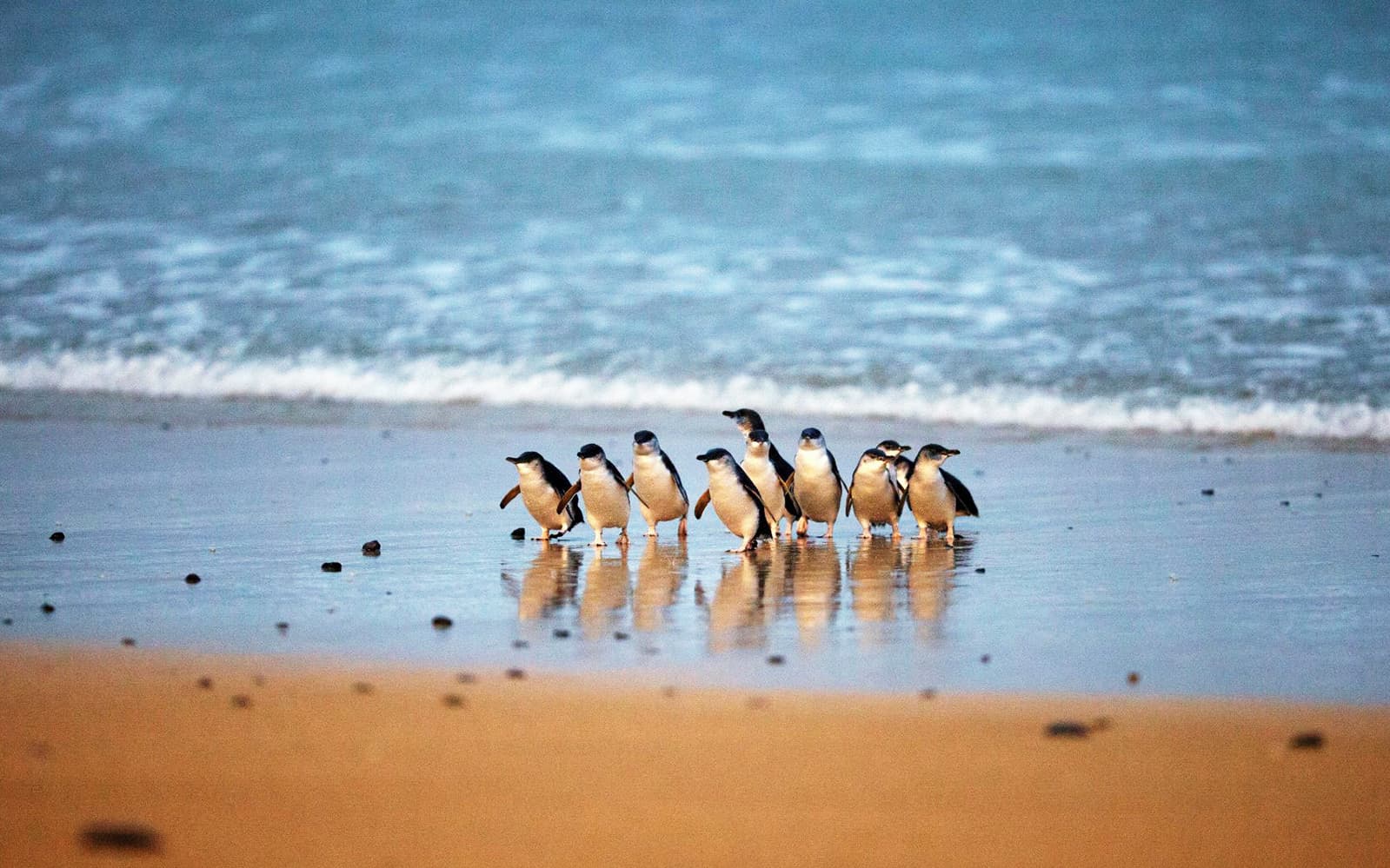
Scienceworks in Spotswood is a fantastic full-day option — interactive, genuinely engaging for adults and kids alike, and often overlooked by tourists who don’t get past the CBD. Penguin and koala viewing on Phillip Island is excellent year-round, and in winter you will practically have the reserve to yourself.
Yes, it rains. Yes, mornings are cold. But Melbourne in winter has a character that summer doesn’t and if you pack well and lean into it, you might find it’s your favourite version of the city.
Melbourne Seasons At A Glance
Season
Months
Avg Temperature
Crowds
Cost
Best For
Spring
Sept-Nov
17-22°C
Moderate
Mid-range
First-timers, all-round experience
Summer
Dec-Feb
25-26°C
High
Peak
Festivals, outdoor energy
Autumn
Mar-May
16-22°C
Low-Moderate
Mid-range
Food & wine, scenic beauty
Winter
June-Aug
7-14°C
Low
Budget friendly
City culture, real savings
How Many Days Do You Need in Melbourne?
So, how many days do you need in Melbourne? Four to five days is the realistic minimum for a first visit that actually does the city justice. A week is better. Two weeks and you will start to feel like a local.
Here is how most people structure it:
Days 1–2 are for the city itself. The CBD, the laneways — Hosier Lane, AC/DC Lane — Queen Victoria Market on a weekend morning, and an evening at the Skydeck once the sun goes down and the city lights up below you.
Day 3 belongs to the Great Ocean Road. Go on a guided tour if you can — driving it solo means your eyes are on the road when they should be on the Twelve Apostles. The limestone stacks, Loch Ard Gorge, the rainforest stretches — it’s a lot to take in, and having someone else behind the wheel makes it better.
Day 4, head to the Yarra Valley. Wine, food, farm gates. If you are doing a sunrise hot air balloon flight, this is the day for it — drifting over the valley at dawn with a glass of sparkling in hand is exactly as good as it sounds.
Day 5 is Phillip Island — the Koala Conservation Reserve and the Penguin Parade make for a full, easy day. Especially worth it if you’re travelling with family or anyone visiting Australia for the first time.
Got a sixth day? Scienceworks is genuinely excellent and constantly underrated. A seventh? Slow down. Do the café crawl in Fitzroy you keep walking past. Take the ferry up the Yarra. Book the restaurant you have been saving. Melbourne rewards the people who stay.
So, When Should You Actually Go?
If you want a clean answer: spring, September to November. Best weather, reasonable prices, manageable crowds, and every single experience the city offers is fully on the table. It’s the easiest recommendation for most travellers.
If budget matters more than anything else, aim for June or July. You will save real money and lose less than you’d expect. And if you want Melbourne at its absolute loudest, most alive, most electric — January, Australian Open season. There is nothing quite like it.
Whatever time of year you go, commit to the full experience. Get up to the Skydeck. Book the balloon flight. Drive the Great Ocean Road. Spend a morning with the koalas. Melbourne is the kind of city that gives back exactly as much as you put in and most people leave wishing they’d stayed longer.
FAQs
What is the best time to visit Melbourne?
The best time to visit Melbourne is during spring (September to November). Pleasant temperatures, blooming gardens, fewer crowds, and major events make it ideal for sightseeing, outdoor activities, and day trips to the Yarra Valley and Phillip Island.
Which month is best to visit Melbourne?
October is often considered the best month to visit Melbourne. The weather is mild, rainfall is lower, flowers are in bloom, and visitors can enjoy attractions before the peak summer tourist season begins.
Is Melbourne better in summer or winter?
Summer is best for festivals, beaches, and outdoor events, while winter offers lower prices, fewer crowds, and cozy café culture. The best season depends on whether you prioritize vibrant city life or budget-friendly travel.
How many days are enough for Melbourne?
Four to five days are enough to explore Melbourne’s major attractions, laneways, markets, and nearby destinations like the Great Ocean Road, Yarra Valley, and Phillip Island without feeling rushed.
What is the cheapest time to visit Melbourne?
The cheapest time to visit Melbourne is during winter (June to August). Flights and accommodation are generally more affordable, while popular attractions remain open and tourist crowds are significantly smaller.
Does Melbourne have good weather year-round?
Melbourne can be visited year-round, but its weather changes quickly. Visitors may experience sunshine, rain, and cooler temperatures on the same day, so packing layers is recommended in every season.
Is spring the best season to visit Melbourne?
Yes. Spring is widely regarded as the best time to visit Melbourne because of comfortable temperatures, colorful gardens, outdoor festivals, manageable crowds, and excellent conditions for sightseeing and day trips.