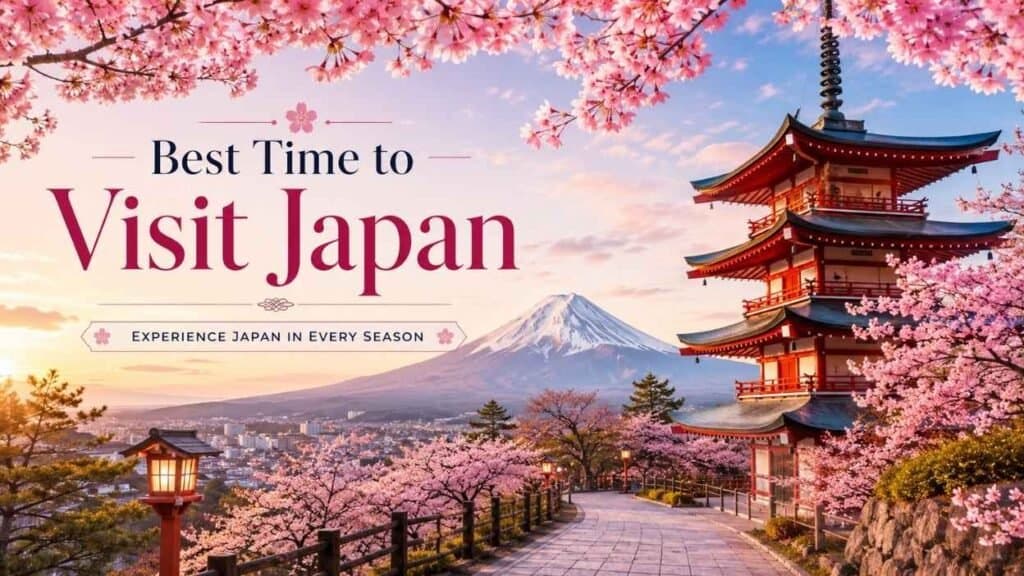
Japan is a country that feels kind of special, no matter the season. In spring you get cherry blossoms, in fall you see those colorful autumn leaves, winter brings snowy mountains and quiet streets sometimes… and then in summer there are lively festivals with bright lights, lots of music, and good food around. Every time of year basically hands you a different kind of travel experience, not just the same view again. So if you’re coming for sightseeing, cuisine, traditions and daily life, or outdoor adventures , picking the right season can make your whole trip more memorable.
Lots of travelers are like, “When is the best time to visit Japan?” and honestly i t depends a bit on what you care about, your budget, and the kind of weather you want to get used to. Some folks kind of hope to wander under blooming sakura trees , while others would rather do skiing in Hokkaido , or just roam through bustling cities in that nice autumn season when everything feels pleasantly crisp.
This guide kind a explains the best seasons to go to Japan, like what each part of the year can give you, how the weather usually sits there, what travel can cost on average, and when is the best time to do different activities. So by the end you will pretty much know exactly when to plan that unforgettable journey to Japan, in a clean sort of way, with less guesswork.
Spring (March to May): The Most Popular Season

Spring is, in general, the best time to visit Japan, I mean lots of people say so. The weather turns comfortable after winter, and the first flowers start opening up ,almost as if they’re waking slowly. Parks then change into bright and colorful scenes, you know that kind of view. The main draw at this moment is the well known cherry blossom, or sakura, depending how you want to say it.
Cherry blossoms typically bloom between late March and early April, though it really depends on the region. In places like Tokyo, Kyoto, and Osaka it gets rather crowded, with locals and visitors out there for hanami , that old fashioned flower viewing picnic. And honestly the comfortable temperatures, help a lot because sightseeing feels way easier, less rush, more just walking around and taking it in.
Besides cherry blossoms, spring is kinda perfect for stopping by temples , gardens, castle grounds ,and national parks as well. Outdoor photography feels extra rewarding too, because the scenery looks fresh and lively, not just a little. Everything seems more bright in the daylight, like the air itself is tuned up.
Why Visit Japan in Spring?

The nice weather lets travelers stay out for long hours, wandering around, without stressing too much about extreme heat or cold, and that kind of calm is always a relief. Then there are spring festivals, seasonal eats, and bright gardens that give the whole country a lively mood throughout, like everything is quietly in motion.
| Spring Highlights | Details |
| Weather | Mild and comfortable |
| Temperature | 10°C to 22°C |
| Best Attraction | Cherry blossoms |
| Ideal For | Sightseeing, photography, couples |
| Crowd Level | Very High |
| Travel Cost | High |
Summer (June to August): Festivals and Mountain Adventures

Summer time in Japan feels warm, and it comes with lively festivals, plus really gorgeous green scenery. In June—yeah, people keep saying it’s the wet season, the rainy stretch, but once July shows up , things start turning more celebratory. By August you get these cultural happenings, bright fireworks, and plenty of outdoorsy events, like strolling around with no rush.
The well known Gion Matsuri in Kyoto and the Sumida River Fireworks Festival in Tokyo bring in thousands of visitors each year, and it feels kind of unreal every time. You get those traditional dances, bright lanterns that glow, and yummy street food too, so the whole thing stays unforgettable. People say it’s lively, but also a little restful at the same time, like a calm buzz.
If you’re into hiking then summer is also the best season to tackle Mount Fuji. The official climbing season usually starts in July, and August when the weather conditions are a lot more safe. You kinda get that clearer window, so people can climb with less worry, which is kinda neat.
Is Summer Good for Visiting Japan?

Summer can be pretty hot and humid, especially in big cities like Tokyo and Osaka, it can feel pretty heavy. Still, the northern areas, like Hokkaido they stay way cooler, kind of breezier in a natural way. That makes those places quite good for anyone who likes the outdoors and enjoys scenery or quiet trails without the intense heat.
People who like beach time can also swing by Okinawa , where the waters look crystal clear and the shores are white sand so you can get a true tropical respite.
Autumn (September to November): Beautiful Weather and Colorful Landscapes

Autumn is another really nice season to drop by Japan. After the humid summer, the air gets cooler, so outdoor activities feel more pleasant, and honestly you can do more without sweating too much . All over the country, the trees switch into those gorgeous tones of red orange, and yellow, like an unplanned color parade or something.
Places like Kyoto, Nikko, and Nara are suddenly different, like they somehow glow during the autumn foliage season. You’ll see temples sitting there with colorful maple trees around them and it makes this really breathtaking scene, it brings photographers from all over the world.
During autumn the weather is pretty comfy for walking tours, shopping around, cultural sightseeing, and even exploring historic districts, it just feels right really.
Why Travelers Love Autumn

Autumn somehow mixes nice weather with fewer travel hiccups tied to the forecast. On top of that there are seasonal treats, like roasted chestnuts, sweet potatoes, mushrooms, and fresh seafood, so people tend to enjoy it a lot for their food craving.
| Autumn Benefits | Description |
| Weather | Cool and pleasant |
| Temperature | 12°C to 25°C |
| Best Attraction | Autumn leaves |
| Perfect For | Nature lovers, photographers |
| Tourist Crowd | Moderate to High |
| Overall Experience | Excellent |
Winter (December to February): Snow, Skiing, and Hot Springs

Winter gives Japan this kind of magical atmosphere that feels sorta unreal. Snow drifts over the mountains and the little villages too, so you get that postcard worthy view everywhere. Places such as Hokkaido , Nagano, and Niseko turn into the main stopovers for people who are into skiing, snowboarding, and all that wintry sliding stuff . It’s like the whole region is tuned for fun, even if it’s cold.
Many travelers, also go to Japan during winter, just to unwind in those traditional hot springs called onsen. It feels pretty special to soak in warm mineral rich water while you’re sitting there with snow around you, and the whole atmosphere is kind of hard to match, you really can’t miss it.
Winter is also the time for lovely illuminations, Christmas markets,and snow festivals like that well known Sapporo Snow Festival.
Why Visit During Winter?
If you like winter sports, less crowds , and cheaper hotel prices when it’s not holiday season, winter can be a pretty great moment to poke around Japan.
Which Month Is Best to Visit Japan?

Picking the best month really depends, on what you like most. Like April is kind of great for cherry blossoms, while November feels right for those colorful autumn leaves. July is for festivals and that whole lively vibe. Then January draws winter sports lovers in, you know, with the cold season.
Travelers who like more pleasant weather, should maybe check April, May, October or November. Those months tend to bring comfortable temperatures, and the sightseeing conditions are pretty excellent, too.
Budget travelers might notice January ,and February are generally more affordable, though it depends a bit on the big ski holidays. Also, lodging and flight rates tend to climb up around cherry blossom time, and again during Golden Week.
Top Activities to Explore in Japan
| Activity | Best Time | Best Places | Why You Should Try It |
| Cherry Blossom Viewing | March – April | Tokyo, Kyoto, Osaka | Witness Japan’s iconic pink sakura blooms and enjoy traditional hanami picnics. |
| Visit Ancient Temples & Shrines | All Year | Kyoto, Nara, Nikko | Discover Japan’s rich history, architecture, and spiritual culture. |
| Ride the Shinkansen (Bullet Train) | All Year | Tokyo, Osaka, Kyoto, Hiroshima | Experience one of the world’s fastest and most punctual train systems. |
| Relax in a Traditional Onsen | Winter (Best), All Year | Hakone, Beppu, Kusatsu | Soak in natural hot springs surrounded by beautiful mountain scenery. |
| Climb Mount Fuji | July – September | Mount Fuji | Enjoy breathtaking sunrise views from Japan’s highest mountain. |
| Attend Traditional Festivals | July – August | Kyoto, Tokyo, Aomori | Experience Japanese culture through parades, fireworks, and local traditions. |
| Explore Japanese Street Food | All Year | Osaka, Tokyo, Fukuoka | Taste authentic ramen, sushi, takoyaki, yakitori, and other local delicacies. |
| Visit Theme Parks | All Year | Tokyo Disneyland, DisneySea, Universal Studios Japan | Perfect for families, couples, and thrill-seekers. |
| Shop for Souvenirs & Electronics | All Year | Tokyo, Osaka, Akihabara, Shibuya | Buy anime merchandise, fashion, electronics, and traditional Japanese gifts. |
| Enjoy Skiing & Snowboarding | December – February | Hokkaido, Niseko, Nagano | Experience world-famous powder snow and top-class ski resorts. |
| Explore Bamboo Forests | All Year | Arashiyama (Kyoto) | Walk through peaceful bamboo groves and enjoy stunning natural scenery. |
| Visit Castles & Heritage Sites | All Year | Himeji, Osaka, Matsumoto | Learn about Japan’s samurai history and admire magnificent castles. |